Bangladesh Garment Wage Proposal Signals Rising Supply Chain Risks for Global Brands
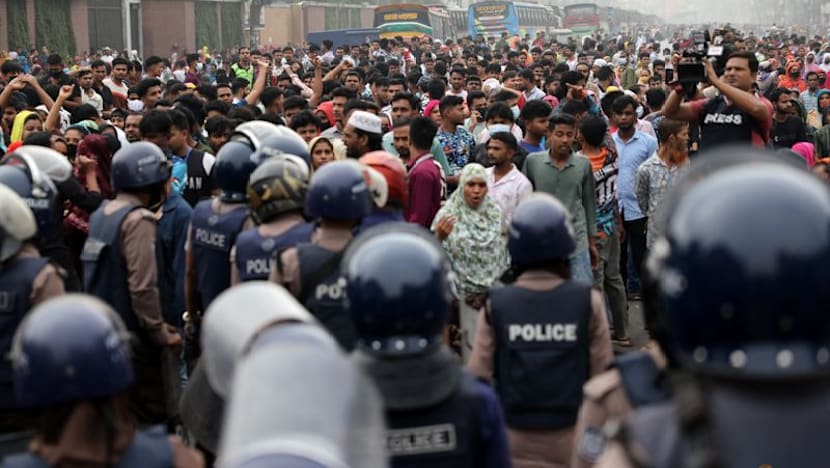
Bangladesh's garment sector faces fresh pressure as manufacturers prepare to discuss a modest pay adjustment with officials.
Workers have staged repeated protests demanding substantially higher earnings to match rising living expenses.
Supply Chain Ripple Effects
Any approved increase will likely push up production expenses for international retailers that rely on the country for affordable clothing.
Factory owners warn that larger jumps could force some smaller operations to cut output or close entirely.
Buyers may accelerate diversification toward competing nations with more stable labor conditions.
Historical wage disputes in the sector have repeatedly triggered short-term order shifts and longer-term planning changes by sourcing teams.
Long-Term Outlook for Founders
Over the next twelve months, unresolved tensions could lead to periodic disruptions during peak ordering seasons.
Founders building apparel businesses should review supplier contracts for cost pass-through clauses and contingency plans.
The episode highlights the need for diversified sourcing to protect margins against regional labor volatility.
Broader economic strain from higher wages may also influence government policies on export incentives and infrastructure support.
Industry observers note that sustained dialogue between stakeholders could stabilize operations and support gradual improvements in worker conditions.