India Weighs Rice Export Duties as Domestic Prices Climb: Key Implications for Global Trade
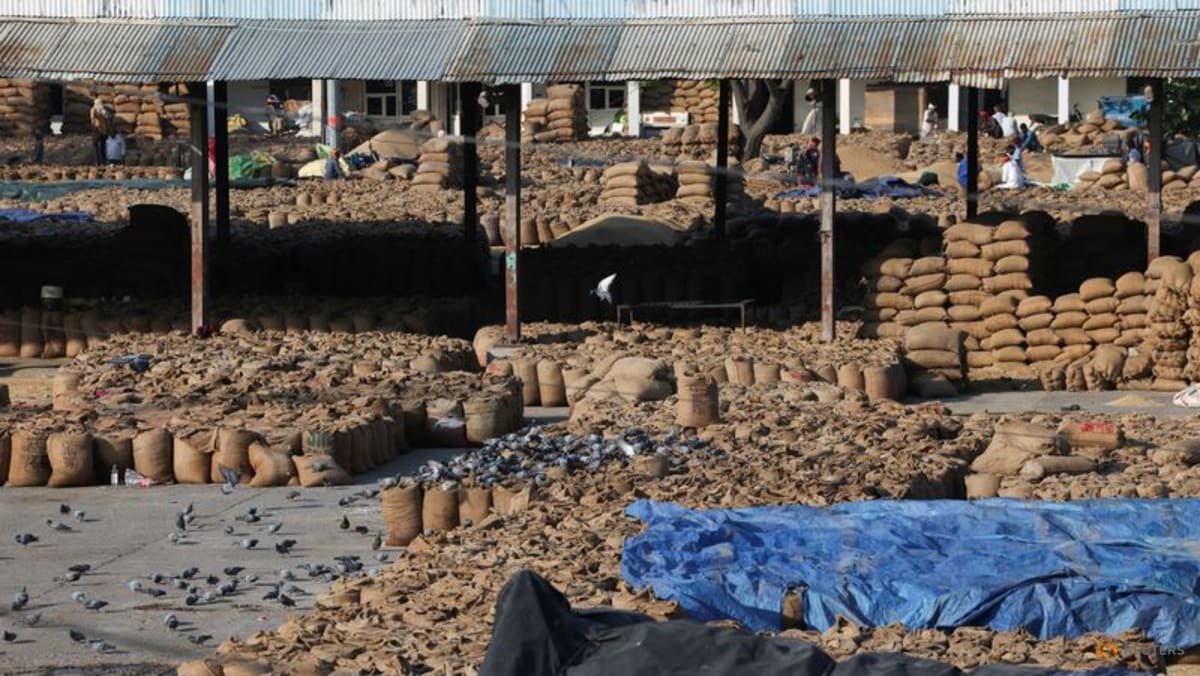
India is exploring export duties on select rice types to ease pressure on local supplies and prices.
Officials and industry insiders indicate the move targets broken rice and certain non-basmati grades facing shortages in southern regions.
Historical Policy Patterns in Indian Rice Trade
India has repeatedly adjusted rice export rules since 2022 to balance domestic needs with overseas sales.
Such interventions often respond to price spikes or stock concerns, creating cycles of restriction and relaxation.
Founders in agriculture and food sectors should track these shifts for supply chain planning.
One clear second-order effect is boosted competitiveness for rival exporters in Thailand, Vietnam, and Myanmar.
Potential Winners, Losers, and 12-Month Outlook
Domestic poultry and cattle feed industries stand to gain from redirected supplies and steadier costs.
Indian exporters may face slower volumes, though overall shipments could persist due to competitive pricing.
Global buyers risk higher costs or sourcing shifts if duties take effect.
Over the next year, stable reserves might limit broad curbs, yet targeted measures could still reshape trade flows.
Entrepreneurs should monitor policy signals for opportunities in alternative sourcing or value-added agribusiness.