Why Voice AI Still Feels Robotic and the Rise of Truly Conversational Companions
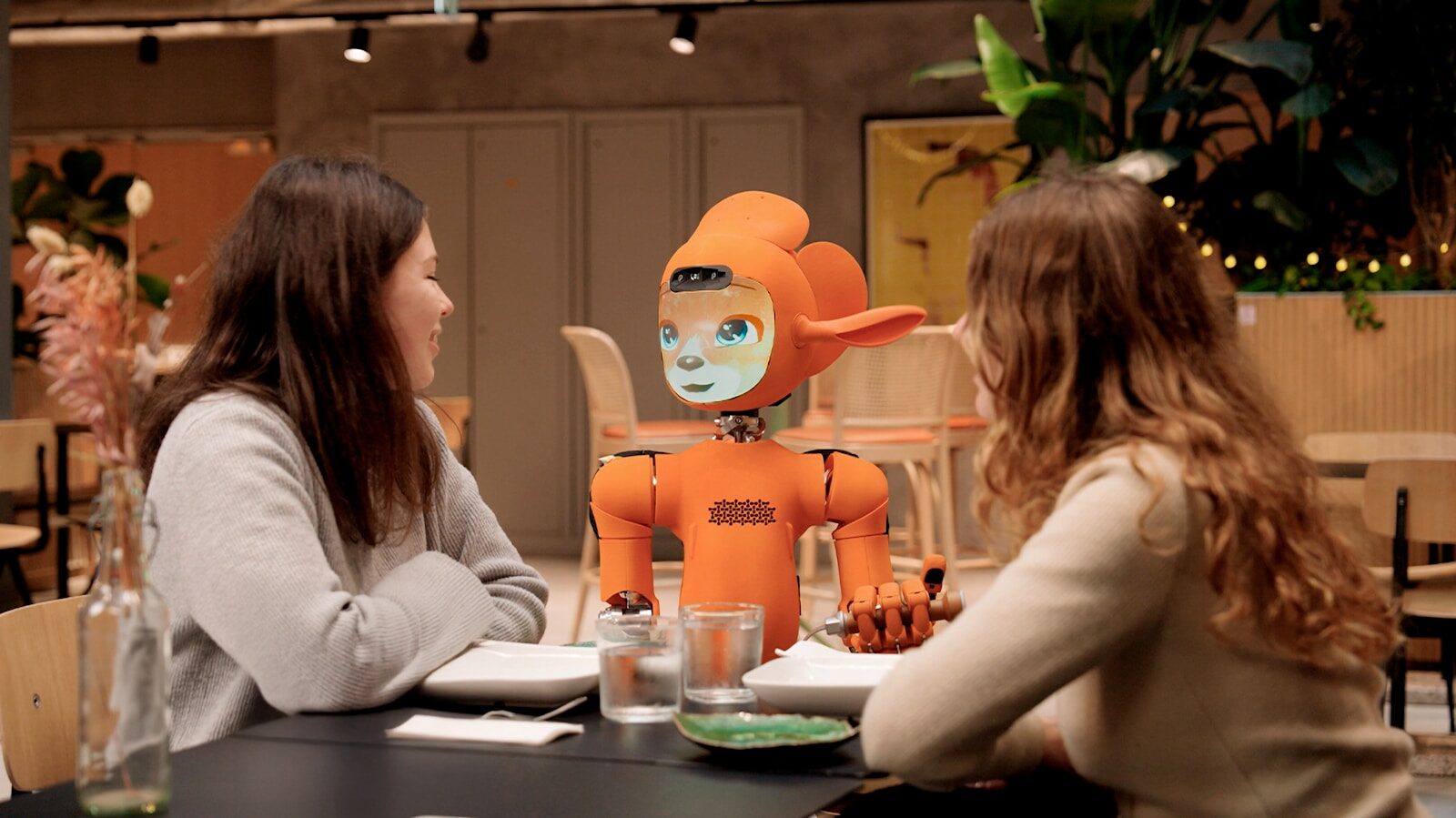
Voice AI often creates awkward pauses and failed interruptions that remind users they are speaking to a machine rather than a person.
These timing issues turn promising demos into frustrating experiences after just a few minutes of use.
The Evolution of Voice Interaction
Early voice assistants like Siri focused mainly on basic commands but struggled with natural flow in real conversations.
Modern systems have improved understanding yet still lag in handling the messy overlapping nature of human speech.
Physical AI devices raise expectations because users treat them like social companions present in the room.
Key Challenges in Real-World Deployment
Products like Pophie aim to solve this by using cameras for gestures and microphones that track speakers in noisy spaces.
Southeast Asia offers a tough test bed with its mobile-first users facing unstable connections and multilingual code-switching daily.
Success here depends on edge processing that keeps responses under one second even on 4G networks.
Enterprises must now evaluate not just model intelligence but also smooth interruption handling and memory of past chats.
This focus on presence could transform elderly care and reduce social isolation for busy families everywhere.
Looking ahead the winners will create emotionally believable AI that feels alive rather than just smart.