Why Tiny Office Huddle Rooms Are Now the Biggest Headache in Hybrid Work
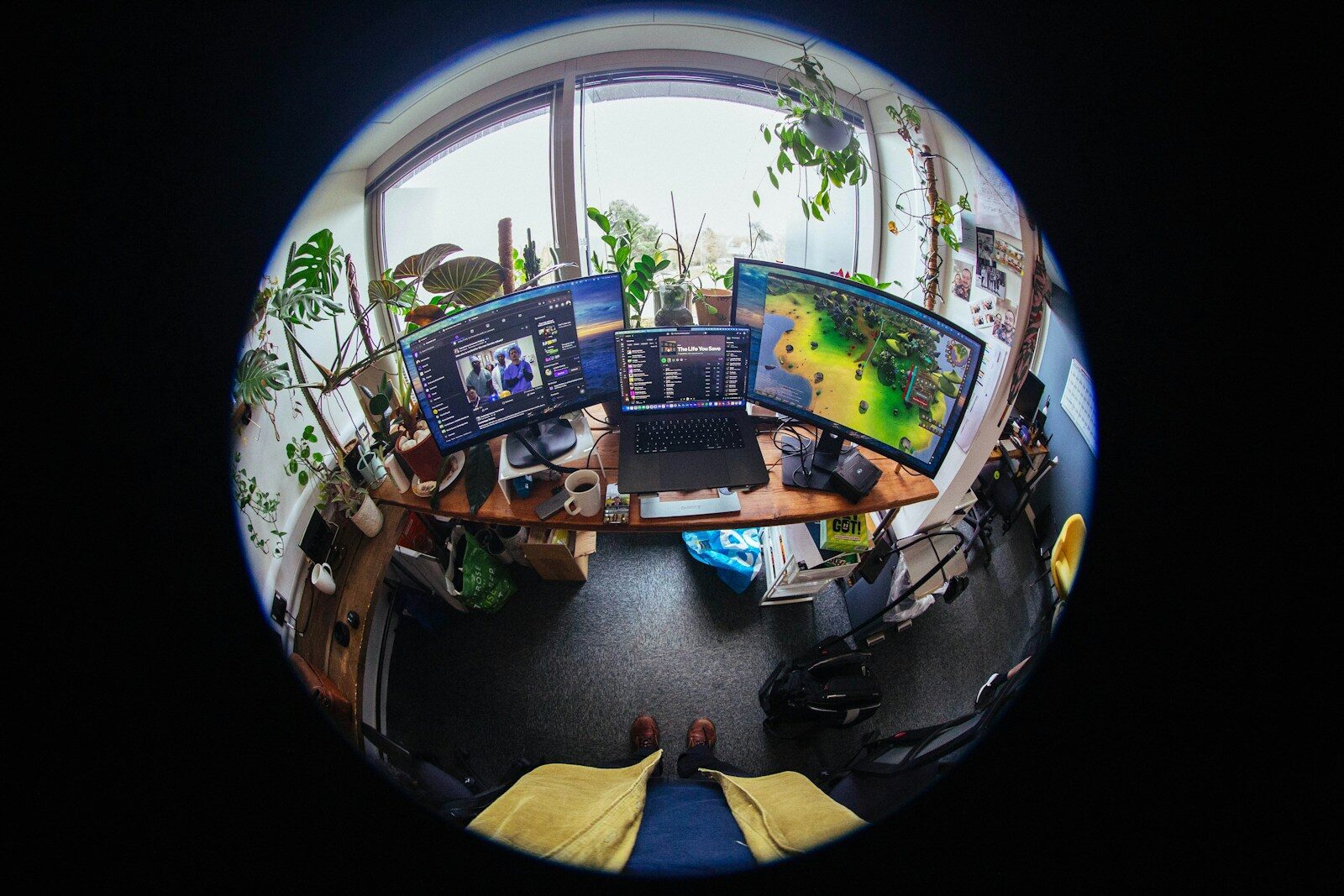
Office redesigns across Asia are putting small huddle rooms at the center of daily work yet many still fail to deliver smooth meetings.
Hybrid work accelerated after the pandemic and pushed companies to favor flexible small spaces over large fixed conference rooms.
Why Central Systems Struggle in Compact Spaces
Traditional setups with one main controller work for big rooms but create bottlenecks when teams need quick turnarounds in smaller areas.
Distributed technology spreads sensing and processing across devices so the room adapts automatically as people move and speak.
This approach allows compact rooms to maintain consistent audio and video quality without constant manual fixes.
Scalability becomes easier in fast growing markets where IT teams cover multiple cities and new offices open rapidly.
How Better Design Affects Daily Productivity and Costs
High rents in cities like Singapore make every underused room an expensive waste that senior leaders now track closely.
Rooms that work reliably encourage more use and reduce the friction that frustrates both in person and remote participants.
Employee experience improves when technology stays in the background allowing conversations to flow naturally.
Future designs may incorporate more adaptive intelligence to handle changing team sizes and work patterns over time.
Getting these small rooms right ultimately supports broader goals of efficient collaboration and reduced operational headaches in expanding organizations.