
Why Power Diversification Is Essential for APAC's AI Infrastructure Growth
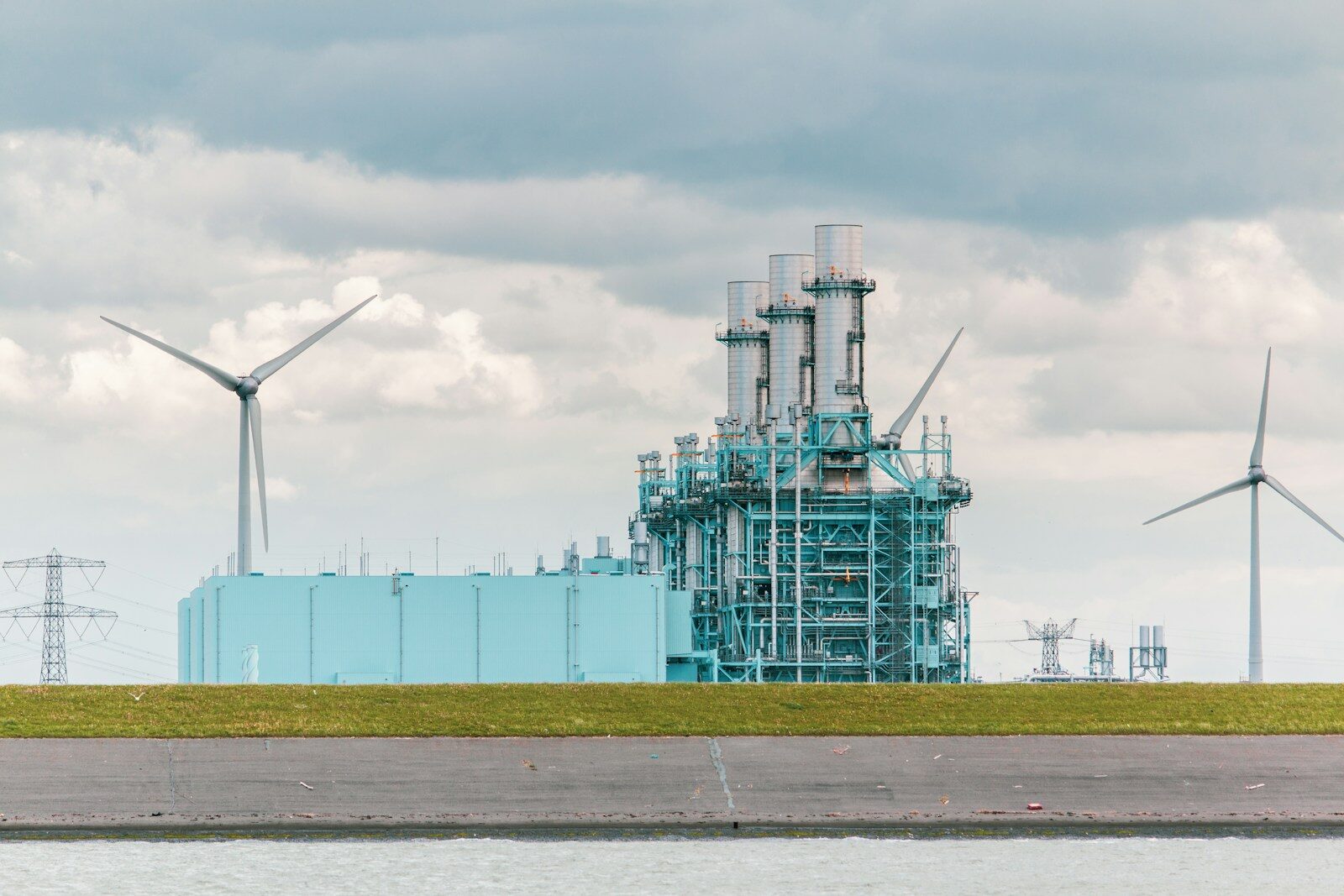
The rapid rise of artificial intelligence is fueling massive demand for data centres and semiconductor plants across the Asia Pacific region.
Existing power grids in many APAC countries are already stretched thin and struggle to support this surge reliably.
The Geopolitical Risks Amplifying Energy Pressures
Global events like conflicts in the Middle East can disrupt oil and gas supplies that many APAC nations depend on for energy.
Specific targets show Singapore adding at least 200MW of data centre capacity soon while Malaysia could see over 5000MW of load by 2035.
Developers now treat power access as a critical early risk rather than a later detail to avoid project delays.
Embracing Renewables for Long-Term Resilience
Diversifying into solar, batteries and other sources helps projects stay online even when main grids falter.
Governments are pushing lower carbon options with Singapore aiming for at least 2GWp of solar by 2030 and Japan targeting 40 to 50 percent renewables by 2040.
This approach not only cuts costs over time but also attracts investors who value sustainability and stable operations.
Everyday people benefit through more reliable tech services and potentially lower long term energy prices as efficient systems scale.
Looking ahead successful projects will combine multiple power sources from the planning stage to build lasting value in a competitive market.









