AI Startups Poised to Thrive in 2026 Despite OpenAI Dominance, VCs Predict

In the rapidly evolving world of artificial intelligence, venture capitalists (VCs) are optimistic about the potential for AI startups to carve out significant market share in 2026, even with giants like OpenAI leading the charge.
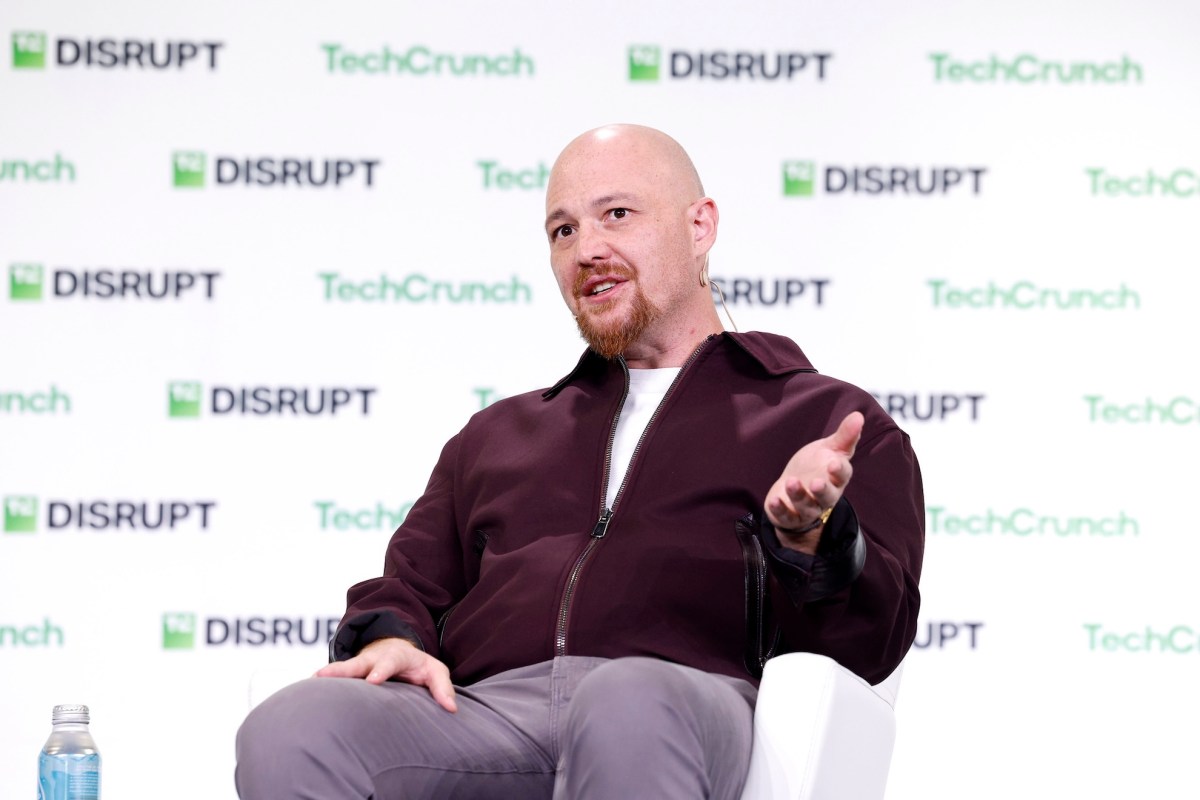
Vanessa Larco, a partner at Premise and former partner at NEA, shared her insights in a recent TechCrunch video, highlighting that 2026 could mark the breakthrough year for consumer AI.
Consumer AI: The Next Big Shift
Larco envisions a future where AI transforms how consumers interact online, powering concierge-like services that personalize and streamline digital experiences.
Historically, AI innovation has been driven by enterprise solutions, with companies focusing on efficiency and automation for businesses since the early 2010s.
From Enterprise to Everyday Use
However, the tide is turning, as consumer-focused AI applications are beginning to gain traction, building on advancements in natural language processing and machine learning.
The impact of this shift could be profound, potentially redefining how individuals spend their time online, from shopping to entertainment, with AI acting as a personal assistant.
Challenges in a Competitive Landscape
Despite the optimism, startups face stiff competition from established players like OpenAI, whose resources and technological advancements set a high bar for innovation.
VCs believe that differentiation will be key, with startups needing to focus on niche markets or unique user experiences that larger corporations might overlook.
Looking ahead, the future of consumer AI in 2026 may hinge on the ability of startups to integrate seamlessly into everyday life, offering solutions that feel intuitive and indispensable.
The potential for market disruption is significant, as smaller firms could challenge legacy consumer products by leveraging AI to create more tailored offerings.
As Larco noted, the question remains whether traditional consumer tech giants will adapt quickly enough to compete with these agile, AI-driven newcomers.
With investors like Larco betting on this space, 2026 could indeed be a pivotal year for AI startups to establish themselves as household names.