Vulcan Rocket Failure Sets Back Amazon Satellite Plans With Mid-Flight Loss
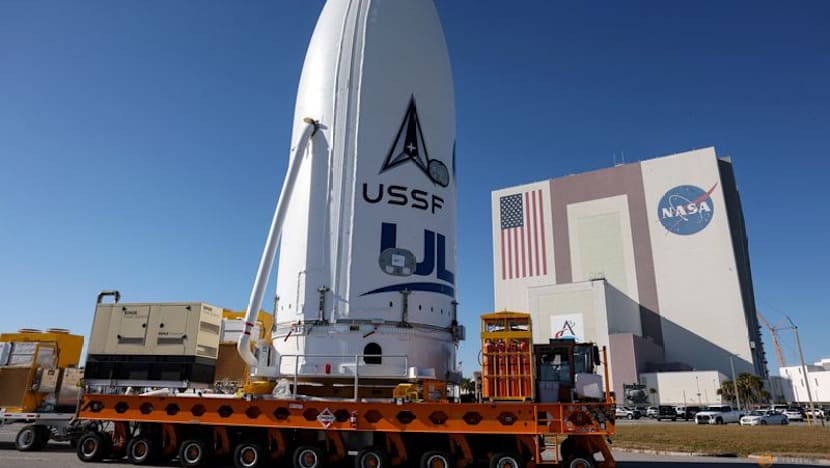
A Vulcan rocket from United Launch Alliance failed about 10 minutes after liftoff and destroyed its payload of 40 Amazon satellites.
The joint venture between Boeing and Lockheed Martin confirmed an anomaly during the flight from Florida but has not identified the cause.
Broader Effects on Launch Schedules
This incident marks the first total mission failure for the company since its formation two decades ago.
Amazon faces potential delays in building its low Earth orbit network as it relies on multiple launches for expansion.
Competitors in the satellite internet space may gain temporary advantages while recovery efforts proceed.
Founders in the space sector should note how single failures can ripple through tightly scheduled constellations and partnerships.
Future Reliability and Industry Shifts
Over the next 12 months the investigation may lead to design changes that affect future Vulcan flights and customer confidence.
Historical patterns show that launch providers often recover from early anomalies but face contract reviews in the process.
Operators watching space infrastructure will see increased scrutiny on new rockets and backup options becoming more valuable.
The event underscores risks in ambitious satellite deployments where one setback can influence timelines across the sector.
Longer term it may accelerate diversification of launch providers for companies like Amazon.