Unconventional AI Secures Record-Breaking $475M Seed Round, Valued at $4.5B

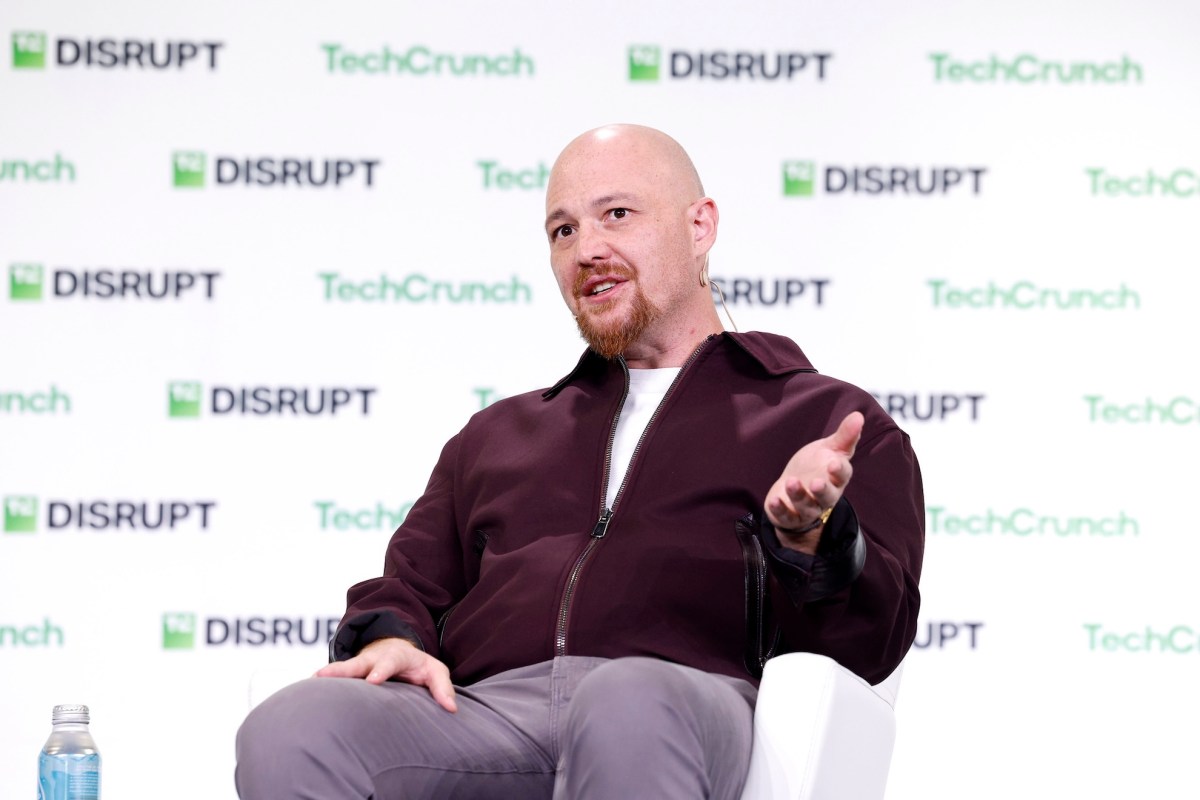
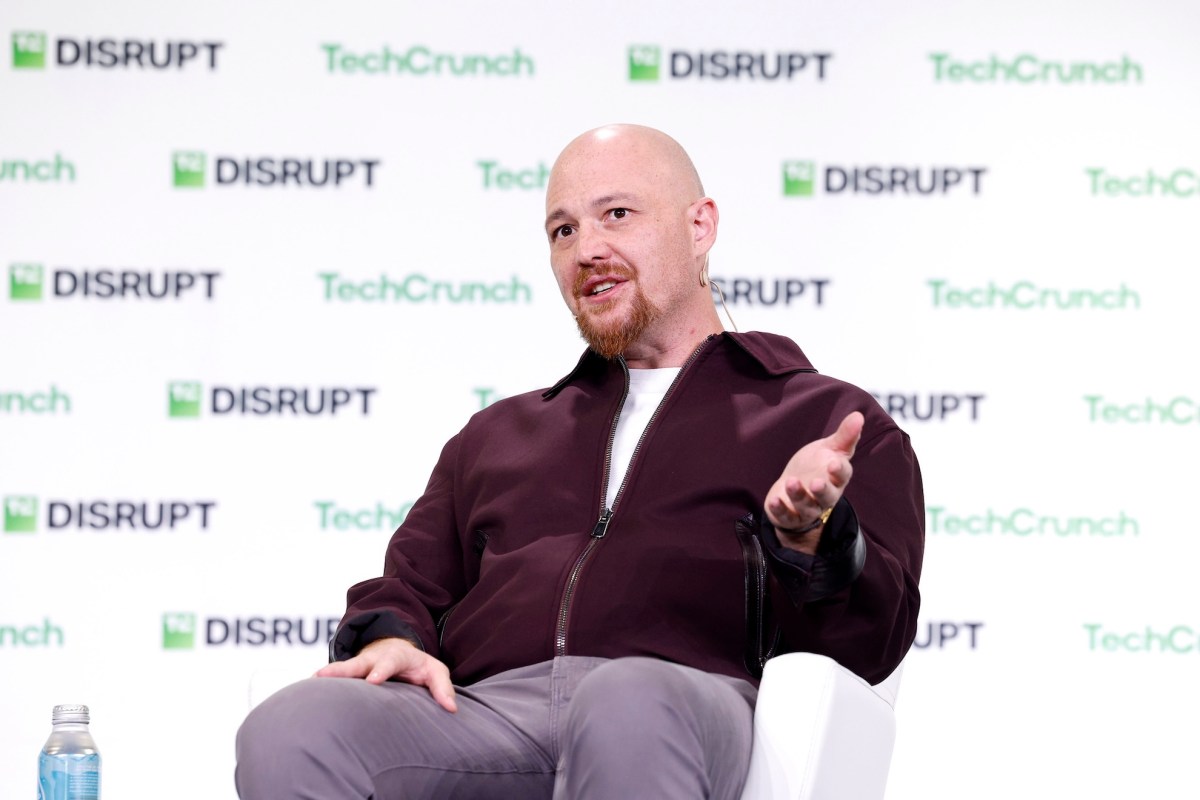
In a landmark moment for the artificial intelligence industry, Unconventional AI, a hardware startup led by former Databricks AI head Naveen Rao, has confirmed a staggering $475 million seed round.
This funding, which values the two-month-old company at an astonishing $4.5 billion, signals intense investor confidence in the future of energy-efficient AI technologies.
Unconventional AI's Vision for Energy-Efficient Innovation
The startup aims to revolutionize AI infrastructure by addressing the escalating power demands of modern AI systems, a critical challenge as the industry scales.
With backing from prominent venture capital firms like Andreessen Horowitz and Lightspeed, Unconventional AI is positioned to challenge industry giants like Nvidia in the race for sustainable compute solutions.
A Growing Crisis in AI Power Consumption
The AI sector's rapid growth has led to skyrocketing energy consumption, raising concerns about environmental impact and operational costs.
Unconventional AI's focus on neuromorphic computing—mimicking the human brain's efficiency—could offer a groundbreaking solution to this pressing issue.
Historical Context of AI Funding Booms
This seed round places Unconventional AI among an elite group of tech startups that have secured massive early-stage funding, reminiscent of the dot-com era's venture capital frenzies.
However, unlike past bubbles, today's AI investments are driven by tangible demand for advanced technologies across industries like healthcare, finance, and logistics.
Future Implications for the AI Industry
If successful, Unconventional AI could redefine how AI models are trained and deployed, potentially reducing costs and carbon footprints for enterprises worldwide.
Analysts predict that this funding will accelerate competition in the AI hardware space, pushing innovation at an unprecedented pace.
Yet, with such a high valuation so early, some market observers warn of potential 'bubble' risks in the AI sector, urging caution amid turbulent economic conditions.
For now, Unconventional AI stands as a beacon of possibility, with the resources to shape the future of AI infrastructure—if it can deliver on its ambitious promises.