Trump Tariffs Hit Asia: How New Duties Could Reshape Global Supply Chains for Founders
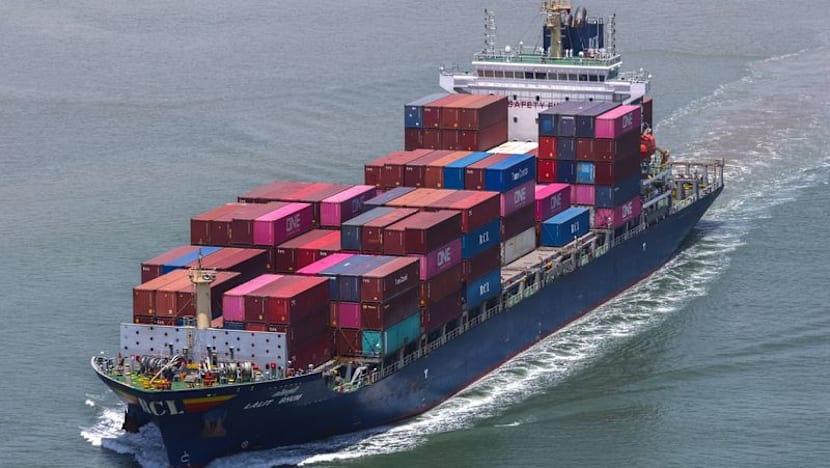
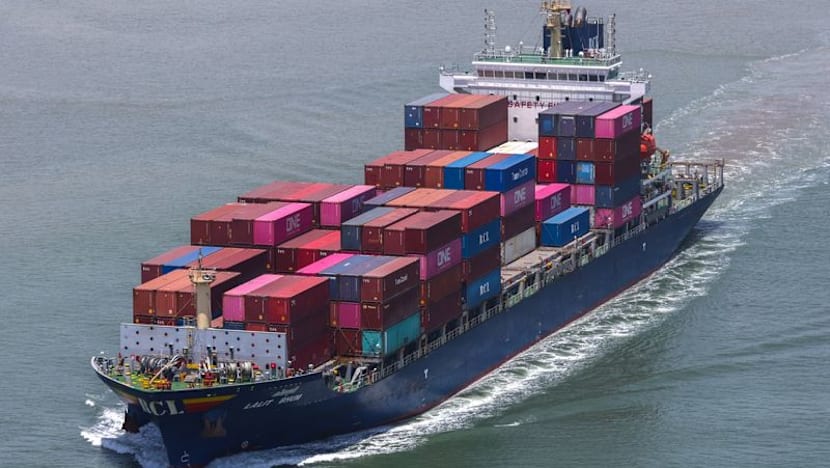
Asian nations are responding to fresh US tariff proposals targeting their exports with a mix of criticism and offers to negotiate new trade pacts.
These moves come as Washington seeks to protect domestic manufacturing through duties ranging from 20 to 40 percent on key partners.
Supply Chain Shifts for Tech and Manufacturing Startups
Founders relying on Asian suppliers may face higher input costs that encourage faster diversification into US or allied production sites.
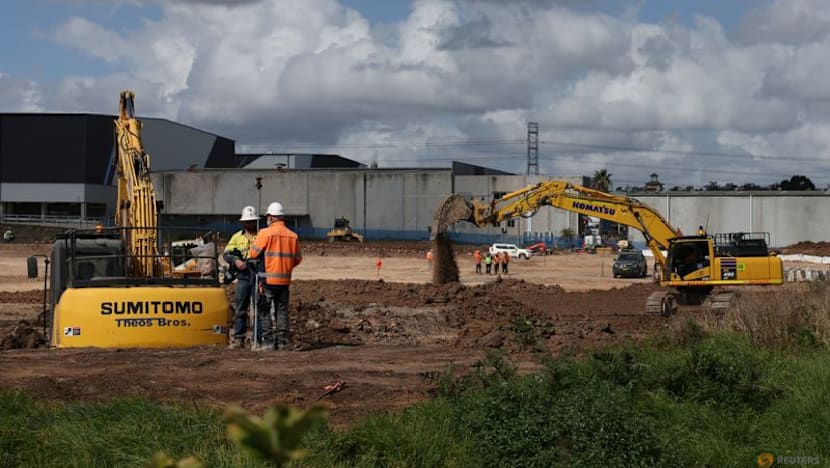
Companies like those in semiconductors stand to gain from ongoing investment flows tied to prior agreements, potentially accelerating domestic factory builds.
Historical patterns from earlier tariff rounds show that such pressures often lead to accelerated supply chain rerouting within 12 to 18 months.
Startups in e-commerce or hardware could lose margins on imports while those focused on local assembly or automation tools might see new opportunities emerge.
12-Month Outlook and Negotiation Wins
Trade deals under discussion could cap rates lower than initial proposals, offering relief to exporters who complete talks before mid-2027 deadlines.
Second-order effects include possible increases in mergers among smaller firms seeking scale to absorb added duties or invest in compliance technology.
Overall uncertainty may slow venture funding rounds in affected sectors as investors await clearer policy outcomes after public hearings.
Founders should monitor bilateral progress closely since successful pacts have historically stabilized costs and opened new market access over time.