Brain-Computer Interfaces: Can Neural Signals Truly Restore Lost Communication?
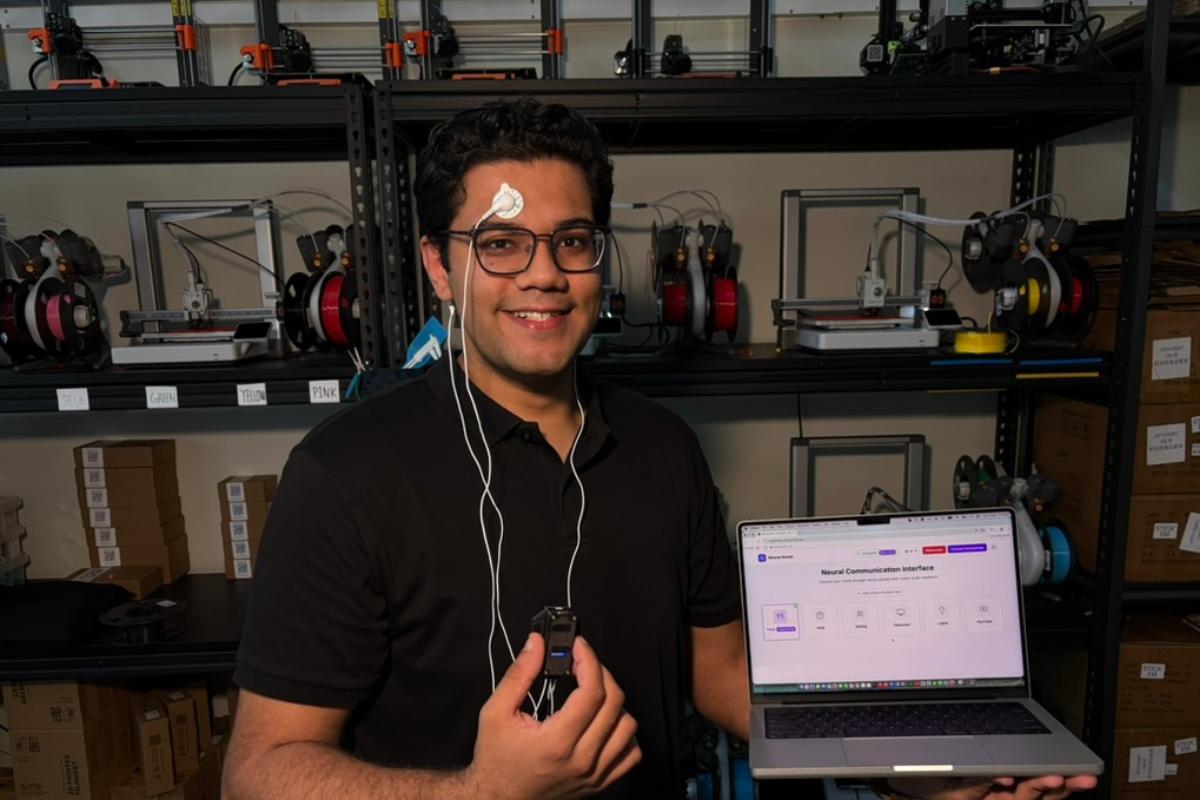
Reports from various sources indicate growing interest in startups developing brain implants to help people communicate again.
However, specific details from one particular article could not be fully verified due to access limitations on the original page.
Understanding Brain-Computer Interfaces
These technologies generally work by detecting brain activity linked to intended speech or movements.
Researchers have long explored ways to translate neural signals into words or text for those unable to speak.
Similar efforts by established groups show promise in clinical settings but often require more testing.
One angle worth noting is how such tools might eventually reduce reliance on caregivers for daily expression.
Broader Implications for Society
Advancements here could transform lives for patients with paralysis or neurological conditions over the coming years.
Industry experts suggest faster data processing and better safety will be key to wider adoption.
Future outlooks point to integration with everyday devices like phones or computers.
This matters to everyone because improved communication aids could lead to more inclusive workplaces and communities.
Challenges remain around ethics, cost, and long-term effects that need careful consideration.