
The Importance of Workplace Safety When Handling Pressurized Gas Cylinders
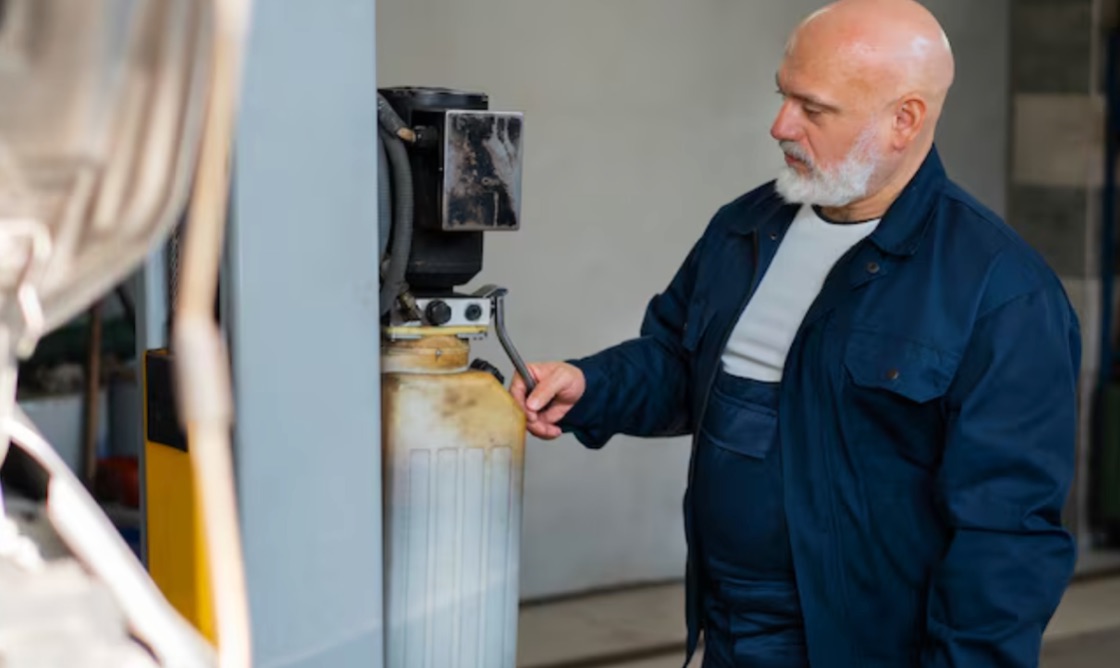
Pressurized gas cylinders are essential in industrial environments, particularly in welding, metal fabrication, construction, and manufacturing. They supply the gases required for processes such as oxy-fuel welding, cutting, shielding, and heating. However, their high internal pressure and the chemical properties of their contents create significant workplace hazards.
Improper handling, inadequate storage, damaged valves, and unsuitable equipment can lead to serious accidents. These include fires, explosions, gas leaks, chemical exposure, and physical injuries. Even a seemingly minor mistake, such as allowing a cylinder to fall, can have severe consequences.
Workplace safety is therefore fundamental whenever employees handle compressed gases. Understanding the associated risks, following established procedures, and providing appropriate training help protect workers, equipment, and facilities. A consistent safety approach also supports operational efficiency and reduces avoidable interruptions.
Understanding the Risks of Pressurized Gas Cylinders
Gas cylinders store gases under high pressure, either in compressed, liquefied, or dissolved form. Their construction allows gases to be transported and used in different industrial applications. Nevertheless, the pressure inside a cylinder makes physical damage particularly dangerous.
A damaged cylinder or valve can release gas rapidly. Depending on the circumstances, the escaping gas may propel the cylinder, create an oxygen-deficient atmosphere, or contribute to a fire or explosion.
Common Hazards in Welding Operations
Welding environments present additional risks because cylinders are often used near heat, sparks, electrical equipment, and combustible materials.
Different welding applications require different gases. Oxygen and acetylene are commonly associated with oxy-fuel welding and cutting, while argon, carbon dioxide, and certain gas mixtures are used in shielding applications.
Each gas has distinct properties that influence its safe handling requirements.
The main hazards include:
- Fire and explosions: Acetylene and other fuel gases can ignite when released near an ignition source. Oxygen can intensify combustion, making fires more difficult to control.
- Cylinder rupture: Excessive heat, physical damage, or compromised structural integrity can cause catastrophic cylinder failure.
- Asphyxiation: Certain gases can displace oxygen in enclosed or poorly ventilated spaces without necessarily producing an obvious warning.
- Cold burns: Contact with escaping liquefied gases or extremely cold surfaces can cause serious frostbite injuries.
- Physical injuries: Falling cylinders can cause crushing injuries, fractures, and damage to surrounding equipment.
Recognizing these hazards is the first step toward establishing effective workplace controls.
Safe Storage Practices for Gas Cylinders
Proper storage reduces the likelihood of accidents before cylinders are connected to welding equipment. Storage areas should be specifically designated, clearly identified, and appropriate for the gases present.
Choose Suitable Storage Locations
Cylinders should generally be stored in cool, dry, well-ventilated areas, away from direct sunlight and excessive heat. Storage locations must also be protected from physical impacts, unauthorized access, and potential ignition sources.
Flammable gases and oxidizing gases require appropriate separation. Oxygen cylinders, for example, should not be stored alongside fuel gases without the separation required by applicable safety regulations.
In the United States, OSHA specifies a separation of at least 20 feet between oxygen and fuel gas cylinders in certain storage situations, unless an appropriate fire-resistant barrier is used. Employers must follow the requirements applicable to their jurisdiction.
Storage areas should also feature suitable warning signs, unobstructed access, and appropriate fire protection measures.
Keep Cylinders Upright and Secure
Cylinders should be stored in the position specified by their manufacturer and applicable safety guidance. Acetylene cylinders must remain upright because their contents include a solvent used to stabilize the gas.
Suitable chains, restraints, or storage racks should prevent cylinders from falling. Protective valve caps should remain fitted whenever cylinders are not connected for use, provided the cylinder design requires them.
Full, empty, and defective cylinders should be identified and separated according to workplace procedures. Importantly, empty cylinders may still contain residual pressure and must receive the same careful treatment as full ones.
Correct Handling and Transportation Procedures
Moving gas cylinders requires attention because their weight, shape, and pressurized contents create multiple risks. Improper transportation can damage valves, weaken cylinder walls, or cause injuries.
Use Appropriate Handling Equipment
Workers should use purpose-built cylinder trolleys or other suitable mechanical handling equipment. Cylinders should never be dragged, dropped, rolled along the floor, or lifted using their protective caps.
Before transportation, employees should:
- Close the cylinder valve securely.
- Disconnect regulators when required by the handling procedure.
- Fit the protective valve cap.
- Secure the cylinder to an appropriate trolley.
- Check the route for obstacles and potential hazards.
When transporting multiple cylinders, workers must prevent them from striking one another. Lifting operations should use suitable equipment and approved lifting arrangements rather than improvised slings or attachments.
Protect Valves and Connections
Cylinder valves are particularly vulnerable to impact. If a valve breaks, the sudden release of pressurized gas can turn the cylinder into a dangerous projectile.
Workers should never attempt to repair damaged valves themselves. Cylinders with leaking valves, visible corrosion, dents, or other structural defects must be removed from service and handled according to established emergency procedures.
Safe Cylinder Use During Welding
Correct storage and transportation are not enough. Cylinders must also be handled carefully throughout welding and cutting operations.
Inspect Equipment Before Use
Before connecting a cylinder, workers should check its identification, condition, valve, regulator, hoses, and fittings. The cylinder label must clearly identify its contents.
Regulators must be suitable for the specific gas and operating pressure. Connections should be compatible with the gas system, and equipment must be maintained according to manufacturer instructions.
Workers should never use damaged hoses, improvised connections, or unsuitable regulators.
For oxygen systems, fittings and connections must remain free from oil and grease. These substances can react violently in oxygen-rich conditions.
Maintain Safe Distances From Heat
Gas cylinders should be positioned far enough from welding arcs, sparks, molten metal, and open flames to prevent dangerous exposure. Where adequate separation is impractical, suitable fire-resistant shielding should be provided.
Cylinders must also be positioned where they cannot become part of an electrical circuit. Welding electrodes should never be struck against cylinder surfaces.
Flashback arresters and other protective devices should be installed where required by the equipment configuration and applicable safety guidance. These devices help prevent flames from traveling backward through hoses toward the gas supply.
Ventilation and Gas Exposure Prevention
Ventilation is another essential aspect of workplace safety. Welding gases can accumulate in enclosed environments, potentially creating oxygen-deficient atmospheres or increasing the risk of fire.
Some shielding gases, including argon and carbon dioxide, can displace oxygen. Because these gases may be difficult to detect without appropriate monitoring equipment, relying on smell or visual indicators is unsafe.
Workplaces should provide adequate natural or mechanical ventilation based on the gases used, the workspace configuration, and the welding process.
Additional Precautions for Confined Spaces
Confined spaces require particularly strict controls. Tanks, vessels, tunnels, and enclosed compartments can allow gases to accumulate quickly.
Before welding in these environments, employers should establish appropriate entry procedures, assess atmospheric conditions, and determine whether additional ventilation or gas monitoring is necessary.
Oxygen and fuel gas cylinders should remain outside confined spaces. Emergency rescue arrangements must also be established before work begins.
Employee Training and Personal Protective Equipment
Workplace safety depends on employees understanding how to identify hazards and respond appropriately. Training should cover the properties of different gases, cylinder identification, equipment requirements, and emergency procedures.
Workers handling svetsgas and other industrial gases should understand that each gas requires specific precautions. Familiarity with the characteristics of industrigaser helps employees recognize incompatible substances, potential exposure risks, and unsafe operating conditions.
Training should address:
- Correct cylinder storage and transportation procedures.
- Safe regulator installation and removal.
- Leak detection and emergency response.
- Appropriate ventilation and gas monitoring.
- Fire prevention and equipment inspection.
- Safe handling of empty, damaged, and defective cylinders.
Personal protective equipment (PPE) provides another layer of protection. Depending on the task, employees may need safety glasses, welding helmets, flame-resistant clothing, protective gloves, and safety footwear.
PPE should complement engineering controls and safe working procedures rather than replace them.
Emergency Preparedness and Leak Response
Even workplaces with strong preventive measures must prepare for emergencies. Gas leaks, equipment failures, and accidental fires can occur unexpectedly.
Employees should know how to recognize warning signs, activate emergency procedures, and communicate hazards to supervisors and emergency responders.
If a cylinder develops a leak, workers should avoid attempting repairs unless they are specifically trained and authorized to do so. The appropriate response depends on the gas, the leak location, and the surrounding conditions.
Where a leak creates an immediate danger, personnel should evacuate the affected area and contact emergency services. Ventilation and isolation measures should only be performed when they can be completed safely.
Emergency plans should include:
- Clearly identified evacuation routes and assembly points.
- Accessible emergency contact information.
- Procedures for reporting suspected gas leaks.
- Appropriate fire detection and response arrangements.
- Training exercises to prepare employees for different scenarios.
Regular drills help employees understand their responsibilities and respond more effectively under pressure.
Building a Strong Workplace Safety Culture
Effective gas cylinder safety requires more than individual precautions. Employers must establish a workplace culture in which safety responsibilities are understood and consistently followed.
Risk assessments should identify the gases used, their properties, storage requirements, potential exposure routes, and operational hazards. Safety Data Sheets (SDS) should remain accessible to employees who handle or work near these substances.
Routine inspections are equally important. Supervisors should verify that cylinders remain secure, equipment is maintained, warning signs are visible, and storage areas meet applicable requirements.
Employees should also feel comfortable reporting damaged equipment, unsafe practices, and potential hazards without fear of negative consequences.
Clear procedures, regular communication, and management commitment help make safety an integral part of everyday operations.
Conclusion
Workplace safety when handling pressurized gas cylinders is essential in welding, manufacturing, and other industrial activities. The risks associated with high-pressure storage, flammable gases, oxygen enrichment, and physical damage require consistent attention.
Proper storage, careful transportation, equipment inspections, adequate ventilation, and employee training significantly reduce the likelihood of serious incidents.
Employers and workers share responsibility for maintaining safe working conditions. By following established procedures and responding promptly to potential hazards, organizations can protect their workforce while ensuring reliable and efficient welding operations.
The safe management of industrial gases should never be treated as an optional precaution. It is a fundamental requirement for responsible industrial work.