
Smart LED Lights Slash Farming Costs: How Software Control Is Transforming Agriculture
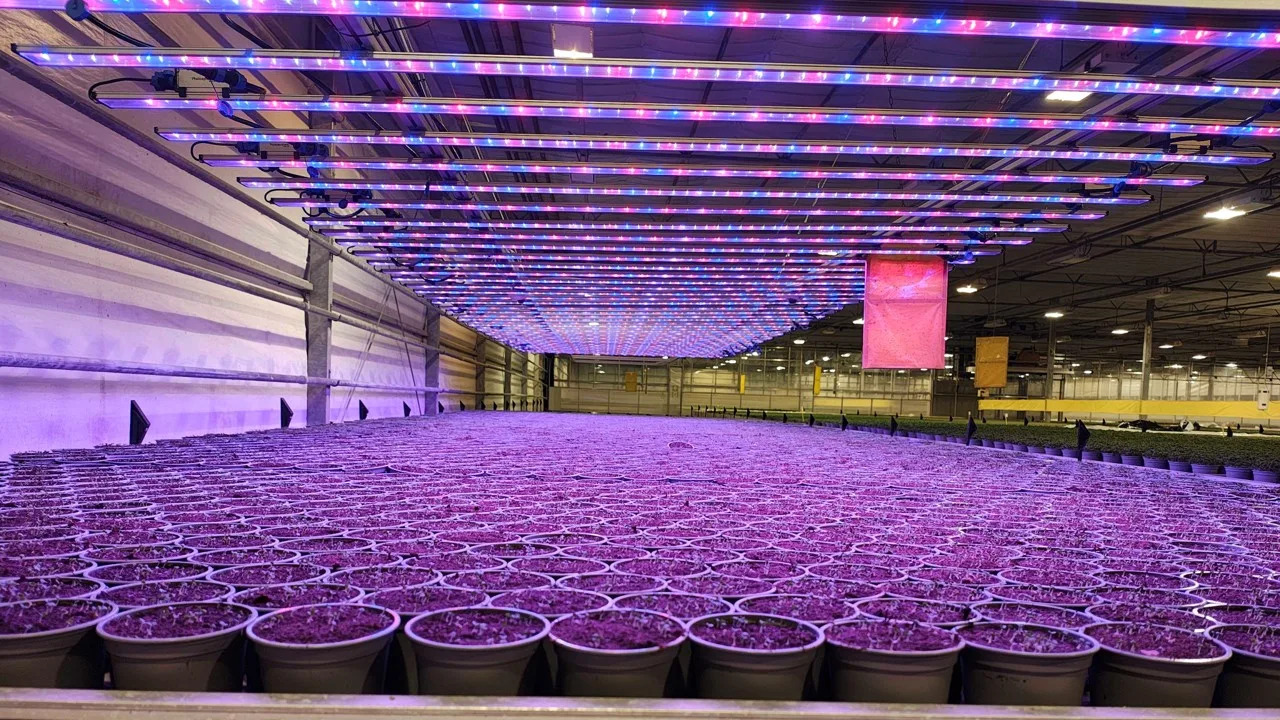
Software-controlled LED lights are emerging as a tool that could help farmers reduce energy expenses in controlled environments.
A startup has developed systems where software adjusts light spectra and timing based on crop needs.
The Evolution of Agricultural Lighting
Traditional sodium lamps have long been used in greenhouses but consume significant electricity.
Modern LEDs offer greater efficiency and allow precise control through software algorithms.
This shift builds on decades of research into optimizing light for plant growth phases.
Farmers can now tailor lighting to specific crops like vegetables or fruits for better results.
Why This Matters for Everyday Consumers
Lower production costs may eventually lead to more stable food prices amid rising energy challenges.
The technology supports sustainable practices by cutting waste and improving yields without extra land use.
Integration with sensors enables real-time adjustments that respond to weather or plant signals.
One non-obvious benefit is its potential role in urban vertical farms that shorten supply chains and reduce emissions from transport.
Overall adoption could aid global food security as populations grow and climates change.
Continued innovation in this area promises even smarter systems in the coming years.









