
Startup Decodes Plant Electrical Signals With AI to Cut Water Use and Boost Farm Yields
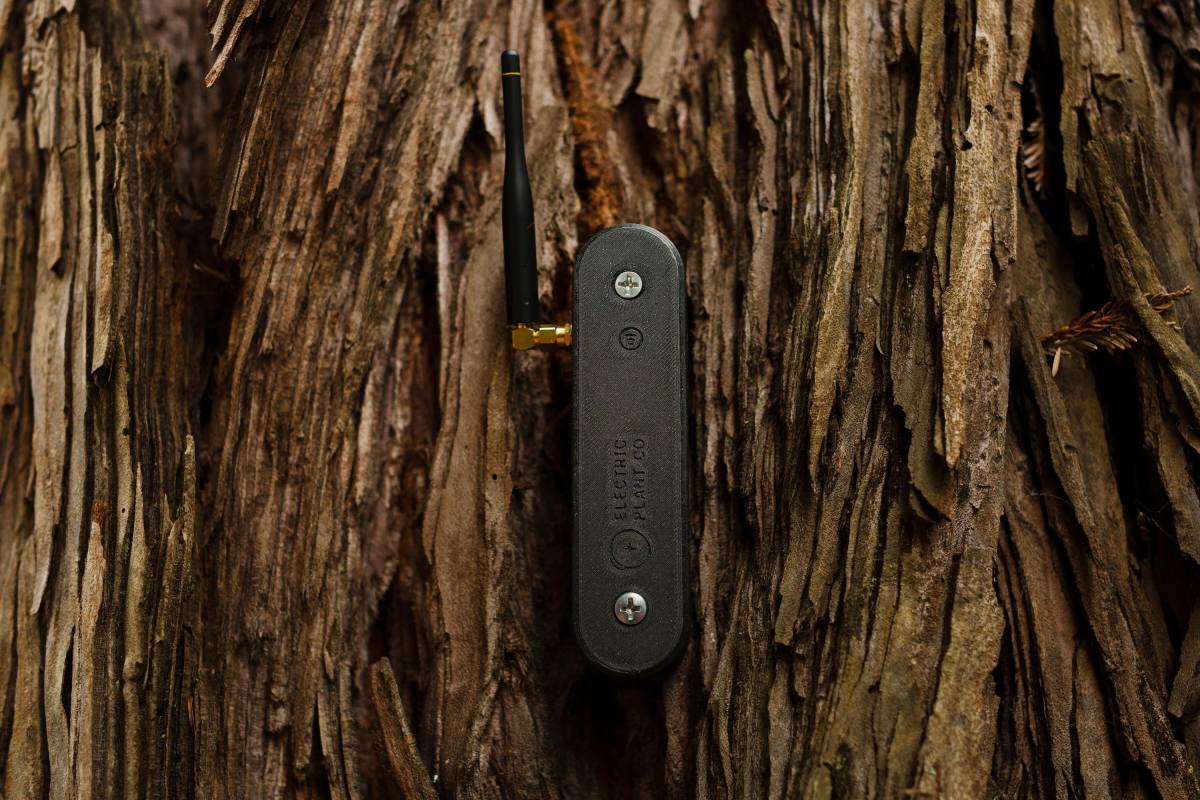
Electric signals inside living plants carry real-time information about their needs for water, light, and nutrients.
A new company has trained an AI system on data from over a hundred plant species to translate those signals into actionable advice for growers.
Historical Patterns in Bioelectric Research
Scientists have studied electrical activity in plants for decades, but practical commercial tools remained limited until recent advances in sensors and machine learning.
Early experiments showed plants respond to stress with measurable voltage changes, yet scaling this knowledge to diverse crops proved difficult without large datasets.
The current approach builds on that foundation by combining low-cost hardware with cloud-based interpretation to move beyond reactive farming methods.
Founders entering this space can learn from past bio-sensing failures that lacked sufficient species coverage or affordable deployment.
Future Outlook and Market Implications
Within twelve months the technology could reach initial commercial farms, allowing early adopters to test yield improvements and resource savings in controlled settings.
Small and medium operators stand to gain most because the sensors cost far less than traditional monitoring equipment.
Broader adoption may shift power in agriculture toward data-driven decisions that favor sustainable practices over volume alone.
Founders should watch integration challenges with existing farm management systems as a key hurdle to widespread use.
Overall the work points to new opportunities in climate-resilient food production that reward precise, biology-informed innovation.