
Autonomous AI Agents Herald Post-User Internet: Shift from Human UX to Machine-Driven AX
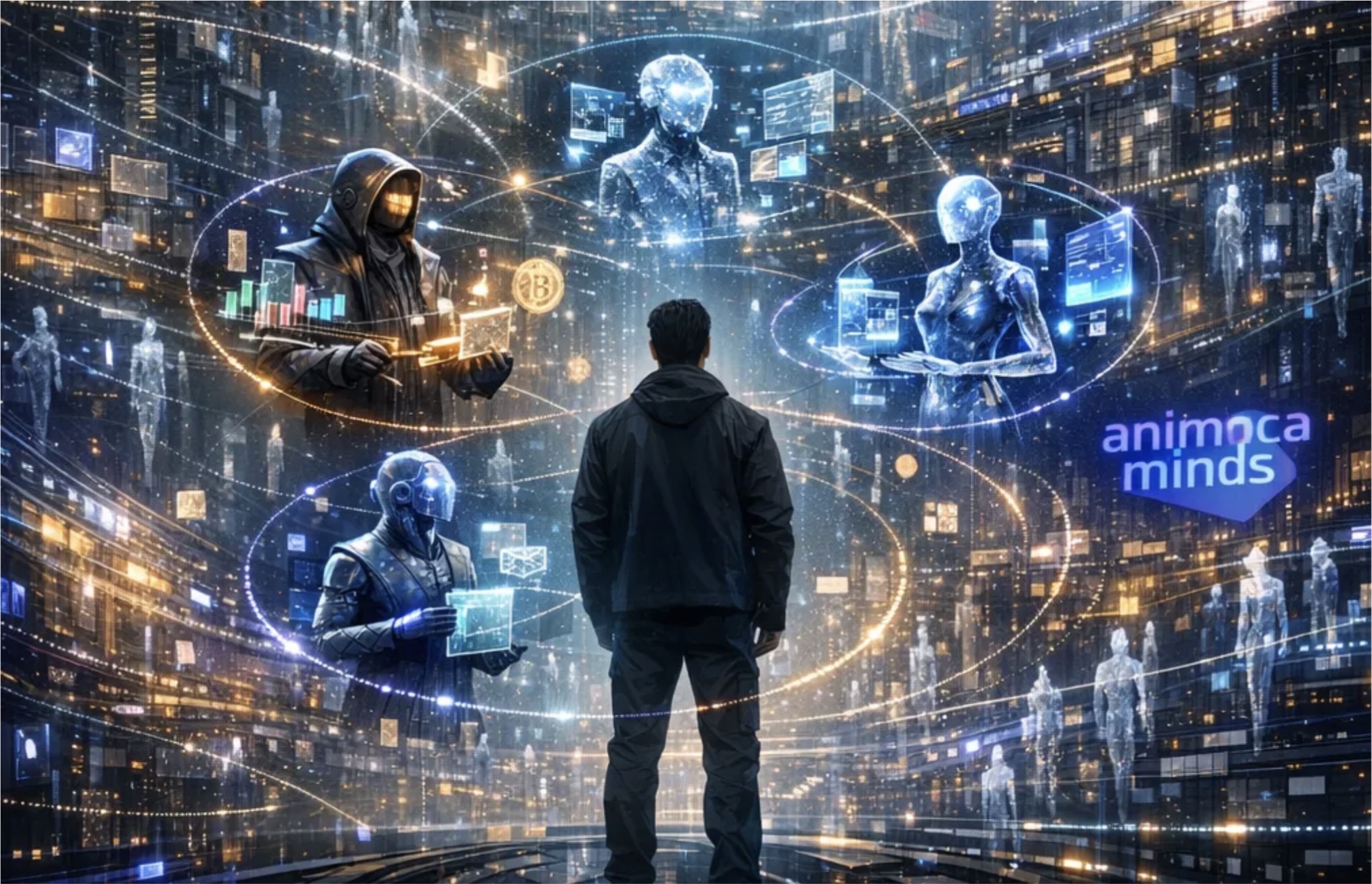
The internet's foundational principle of centering human users through clicks, feeds, and notifications is fracturing as autonomous AI agents take center stage.
Visionary Yat Siu outlines a 'post-user' era where persistent, goal-directed AI entities perceive, decide, and act across platforms on humans' behalf.
Historical Shift from Web1 to Agentic Web
For over 30 years, Web1, Web2, and Web3 paradigms have prioritized user experience (UX), designing interfaces for human interaction.
Emerging Agent Experience (AX) Paradigm
The future demands agent experience (AX), where products emphasize APIs, permissions, memory, and trust for seamless AI delegation.
This architectural evolution means the internet's primary demographic transitions from humans to networked autonomous intelligences.
Push-based models like email notifications interrupt humans, but AI agents invert this by pulling relevant data, filtering noise, and executing at machine speed.
Specialization trumps generality, with squads of specialist agents collaborating via protocols like MCP and A2A for superior outcomes in planning, retrieval, and negotiation.
Persistent agents retain context and memory, enabling complex, stateful tasks far beyond ad-hoc systems like Claude's coworkers.
Blockchain emerges as the critical economic layer, granting agents wallets, digital identities, and sovereign asset control for autonomous transactions.
Impacts ripple across jobs, as humans focus on strategy and creativity while agents reclaim attention from interruptions.
Looking ahead, this sovereign multitude promises a machine-native economy, amplifying human intent at unprecedented scale.









