J&T Express Achieves $12.2 Billion Revenue in 2025, Surging 19% Amid Southeast Asia Logistics Boom
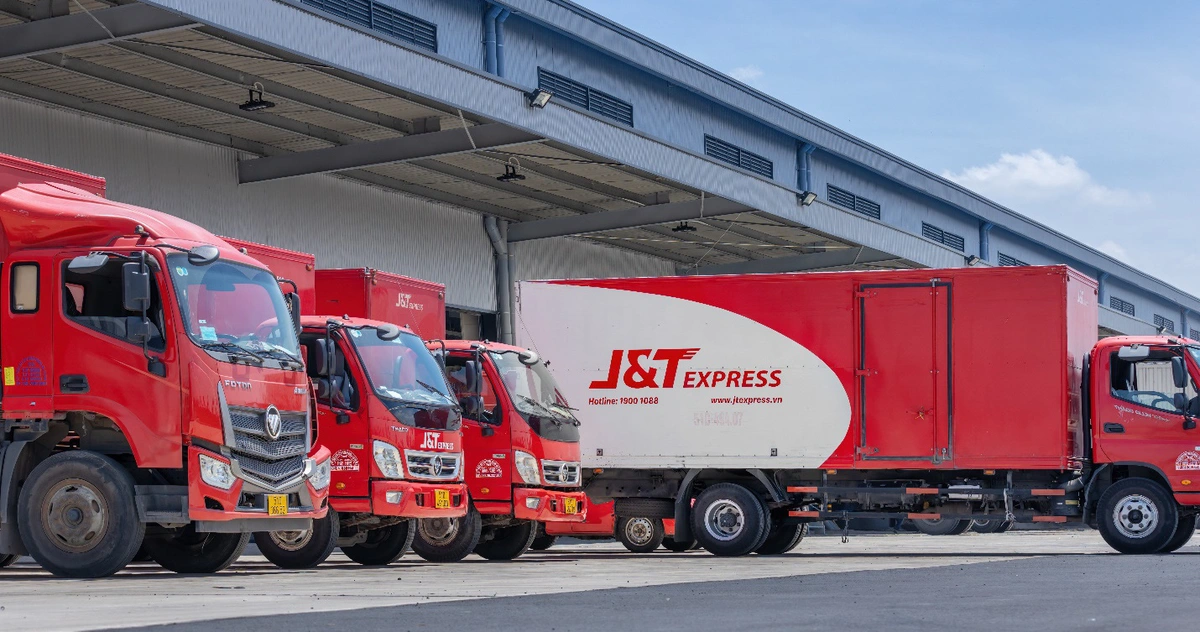
J&T Express, the Indonesia-headquartered courier giant affiliated with China's Oppo, reported a robust $12.2 billion revenue for 2025, marking an impressive 18.5% year-on-year growth.
The company handled a record 30.1 billion parcels in 2025, surpassing the 30-billion threshold for the first time with a 22.2% increase from the previous year.
Southeast Asia Leads Explosive Growth
In Southeast Asia, J&T Express saw parcel volume skyrocket 67.8% to 7.66 billion, driving revenue up 39.8% to $4.5 billion.
Adjusted EBIT in the region surged 77.5% to $538 million, solidifying its position as the top express delivery provider for the sixth straight year with a 34.4% market share.
China Operations Remain Steady
In China, the core market, J&T Express processed 22.07 billion parcels, a 11.4% rise, while revenue grew 5% to $6.71 billion.
Stable profitability there was bolstered by stringent cost controls, expanded rural delivery, and increased automation including unmanned logistics vehicles.
New Markets Turn Profitable
Operations in emerging markets like Saudi Arabia, UAE, Mexico, Brazil, and Egypt achieved profitability for the first time, with parcel volume up 43.6% to 404 million and revenue climbing 51.2% to $870 million.
These markets posted a $4 million adjusted EBIT, a turnaround from prior losses, fueled by partnerships with e-commerce leaders like SHEIN, Temu, TikTok, AliExpress, and Mercado Libre.
Network Expansion Powers Future Growth
J&T Express expanded to 246 global sorting centers, launching a major self-built hub in Guangzhou and adding nearly 1,880 line-haul vehicles plus 413 automated sorting units.
Adjusted net profit more than doubled to $425 million, with free cash flow reaching $494 million, highlighting improved efficiency from international diversification.
This performance underscores J&T Express's pivotal role in the e-commerce logistics surge, positioning it for sustained dominance amid rising global parcel demand.