Smart #2 Revives Compact Two-Seater EVs for City Driving
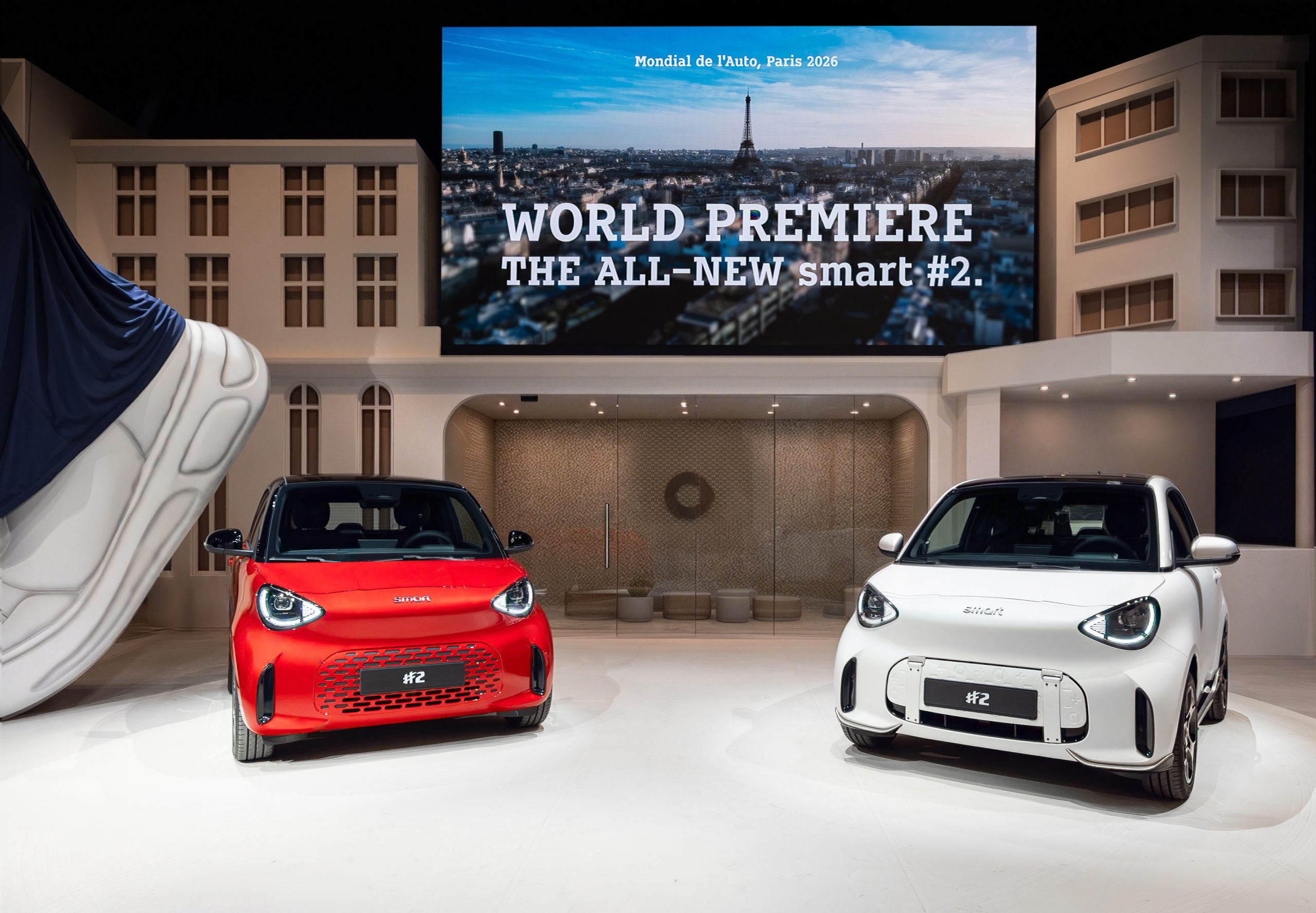
The automotive industry is witnessing a shift back toward compact electric vehicles designed specifically for dense urban environments.
This move aligns with broader trends in sustainable transportation that prioritize efficiency and reduced space requirements.
Urban Mobility Shifts
City planners and local governments could benefit from vehicles that require less parking space and produce zero emissions.
Founders developing smart city solutions may see increased demand for integrated apps managing these smaller fleets.
Supply chain operators in battery production stand to gain from the adoption of lithium iron phosphate technology in compact formats.
Traditional automakers focused on larger models might face competitive pressure in the entry-level segment.
Twelve-Month Industry Outlook
Production scaling over the next year will test the new Electric Compact Architecture platform's efficiency and market reception across different regions.
Charging network expansions could accelerate as more users adopt vehicles with quick top-up capabilities.
Historical patterns show that compact car revivals often precede wider acceptance of electric powertrains in everyday commuting.
This smart #2 launch signals potential growth in affordable electric options that could reshape personal mobility for small businesses and individuals.
Entrepreneurs should monitor how design collaborations between established players influence innovation cycles in the sector.