
Tiny AI Chips Could Finally Make Smart Wearables Last All Day
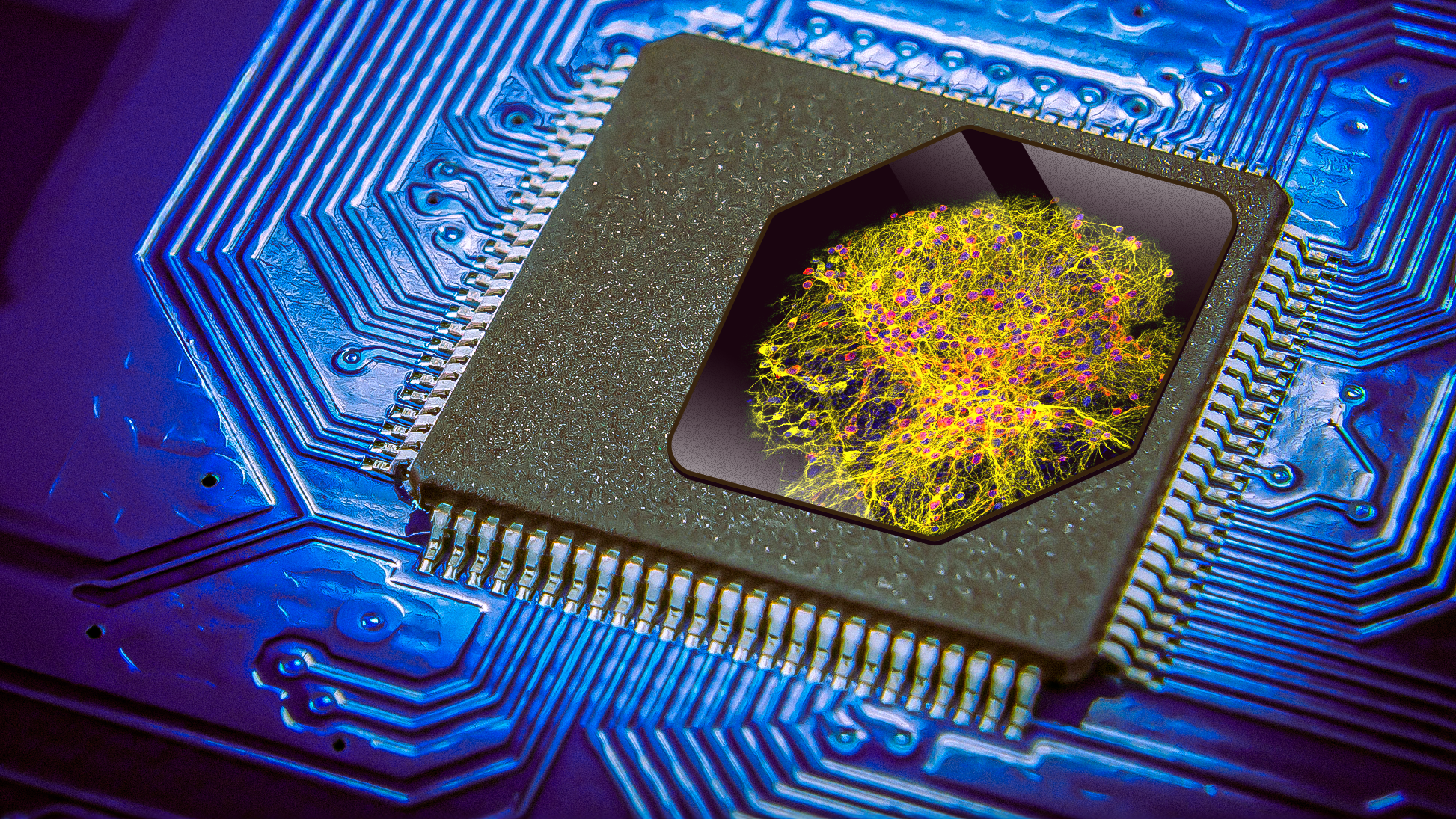
The push to shrink AI chips is gaining momentum as companies seek to power advanced wearables without draining batteries quickly.
Current wearables often struggle with high power demands when running on-device AI features like real-time health tracking or voice assistants.
Why Smaller Chips Matter for Everyday Devices
Smaller chips could allow for more compact designs while maintaining performance, potentially extending battery life significantly.
Industry efforts focus on new manufacturing techniques and materials to reduce size without sacrificing efficiency.
This builds on years of semiconductor advances that have already made processors in phones much more capable and power-efficient.
Looking ahead, such innovations might enable always-on AI in items like smart rings or glasses, changing how people interact with technology.
Future outlooks suggest these chips could support more personalized AI experiences directly on the body.
Broader Impacts on Health and Daily Life
For the average person, this means wearables that provide useful insights without constant charging or privacy concerns from cloud processing.
Potential applications include continuous monitoring for medical conditions in flexible, comfortable forms.
Challenges remain around heat management and production costs, which could affect how quickly these reach consumers.
Overall, progress here highlights a shift toward edge computing that prioritizes efficiency and accessibility.









