
SEC Seeks Direct Grip on Wall Street Market Surveillance System
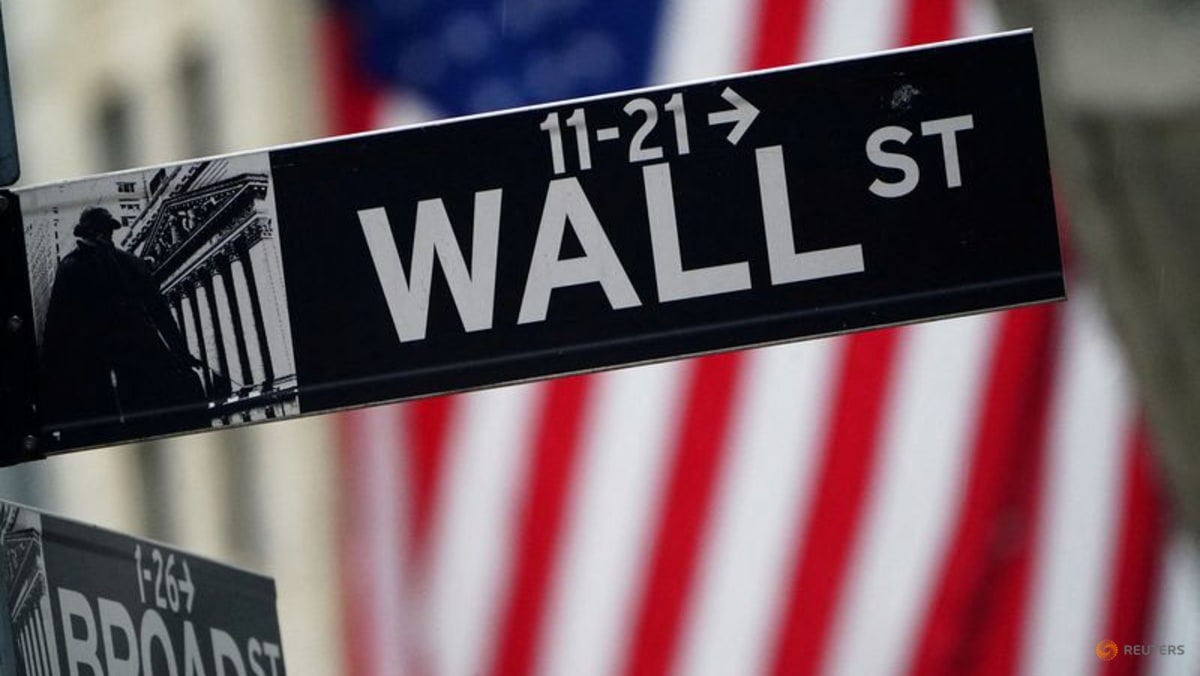
The US Securities and Exchange Commission has put forward a plan to assume direct oversight of a key industry tool for tracking market activity.
This move addresses long-standing concerns about costs and data handling in financial oversight.
Background on the Consolidated Audit Trail
The tool originated after the 2010 flash crash that erased nearly one trillion dollars in market value within minutes.
It provides regulators with complete records of orders and trades across US equities and options.
Industry groups have long argued over funding responsibilities for its upkeep.
Privacy advocates previously raised alarms about the collection of personal trader details.
Implications for Future Market Regulation
Centralized control could streamline investigations into misconduct such as insider trading.
Smaller brokerages might face new compliance burdens if reporting shifts directly to regulators.
Over the next twelve months the sixty-day comment period could spark debates on congressional funding that risk delays during budget disputes.
Fintech firms developing compliance software stand to gain from clearer standards while exchanges may lose some operational autonomy.
Historical patterns show similar post-crisis reforms often lead to stronger enforcement but higher entry barriers for new market players.
Overall this proposal signals a balanced approach that avoids full elimination while enhancing accountability.