
Sao Paulo Zoo Birth of Spix's Macaw Chick Offers Fresh Hope for Rare Parrot Recovery
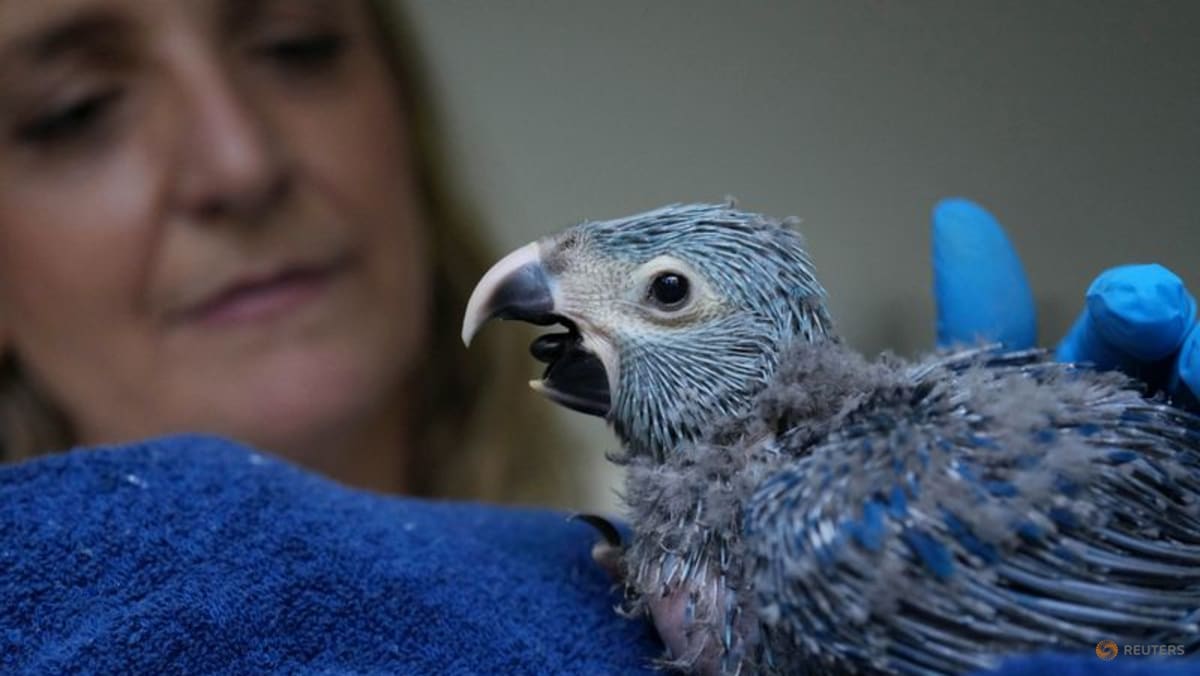
The birth of a Spix's macaw chick at a major Brazilian zoo marks a notable step in efforts to support one of the rarest parrot species on the planet.
Keepers monitored the egg closely for weeks before the female chick emerged in October.
Breeding Programs Drive Species Recovery
The zoo team used artificial incubation lasting exactly 28 days to ensure the egg's viability.
Specialists had to assist the chick during hatching due to its awkward position inside the shell.
This success builds on established captive breeding methods that have helped other endangered birds in the past.
Over the next 12 months, the program could produce additional chicks if conditions remain stable.
Founders in conservation technology may find opportunities to develop better monitoring tools for similar initiatives.
Broader Impacts on Biodiversity Efforts
Public awareness from the chick's arrival could encourage more support for habitat protection projects in northeastern Brazil.
Local economies tied to ecotourism stand to gain from renewed interest in the species.
Long-term success depends on sustained funding and international cooperation among zoos and governments.
Entrepreneurs focused on impact investing can draw lessons from the patient approach required for such biological milestones.
The event underscores how targeted breeding can create ripple effects across education and policy sectors.