
Russian AI Completes Gogol's Lost Novel: What It Means for Creative Tech Founders
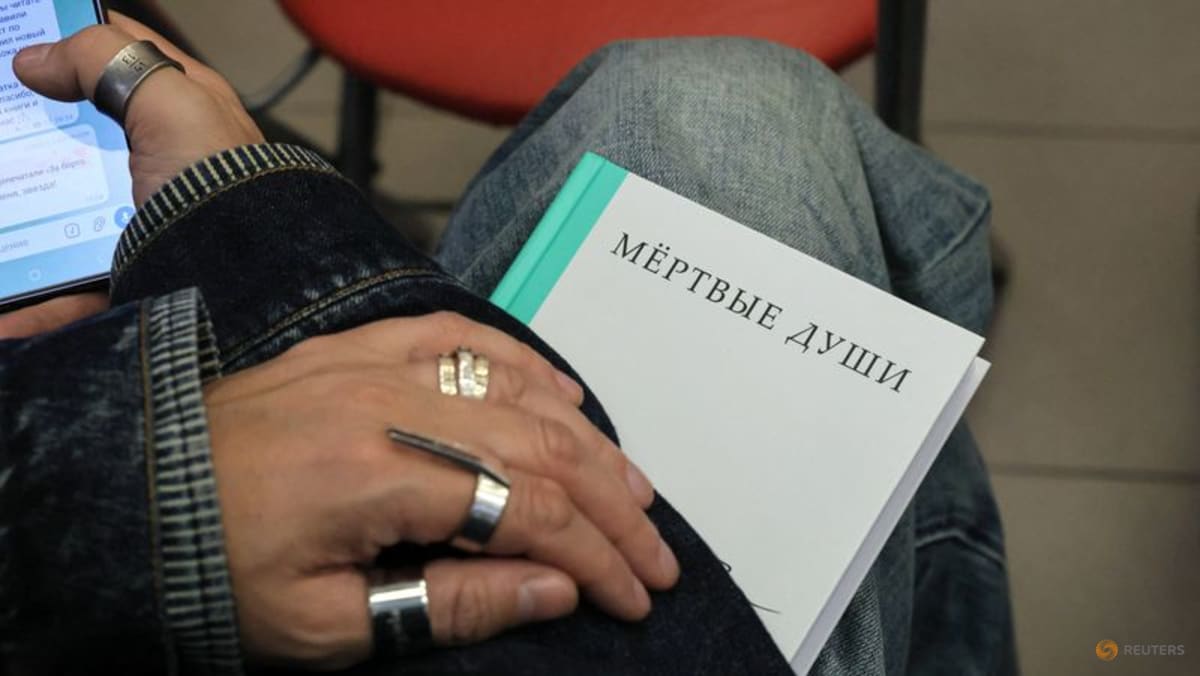
Russian developers have used artificial intelligence to finish an unfinished classic from the 19th century.
The experiment highlights how AI can now tackle complex creative tasks once reserved for human authors.
AI's Growing Role in Cultural Projects
This approach could open doors for founders building tools that revive historical works in other languages and genres.
Companies in the creative sector may soon use similar models to generate sequels or extensions of public domain stories.
One clear second-order effect is increased interest in AI ethics around authorship and originality in literature.
Traditional writers risk losing ground if readers turn to machine-generated continuations for popular unfinished tales.
Outlook for AI in Publishing Over the Next Year
Founders should watch how regulators respond to questions of whether such AI outputs qualify as new intellectual property.
In the coming 12 months, expect more experiments pairing AI with domain experts like linguists and historians to refine output quality.
Geopolitical factors may push isolated tech firms to accelerate domestic AI development for cultural and commercial uses alike.
Overall this case shows AI moving from basic text generation toward deeper artistic collaboration with measurable public engagement.
Operators in innovation spaces can draw lessons on blending technology with heritage to create unique market offerings.