
Geopolitical Tensions in Middle East to Accelerate Global Clean Energy Transition, OCBC Predicts
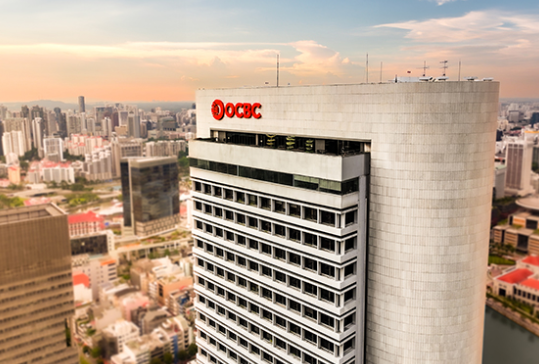
OCBC analysts forecast that escalating geopolitical tensions in the Middle East will hasten the worldwide clean energy transition by exposing vulnerabilities in fossil fuel supply chains.
Disruptions in critical routes like the Strait of Hormuz, which carries about 25% of global seaborne oil and 20% of LNG, heighten risks particularly for Asia's import-dependent economies.
Immediate Economic Impacts and Risks
Higher oil and gas prices from prolonged conflicts could trigger stagflation in emerging markets, though subsidies in nations like Indonesia and Malaysia offer short-term relief.
Countries may draw on stockpiles or pivot to alternatives like coal, as seen with China's record coal output of 4.83 billion tons in 2025.
Historical Lessons from Energy Shocks
The EU's rapid reduction of Russian gas imports from 150 billion cubic meters in 2021 to 52 billion in 2024 demonstrates how geopolitical crises can drive swift diversification.
This precedent shows balancing energy security with decarbonization goals is feasible even under pressure.
Future Pivot to Renewables
Accelerated investment in renewables will hedge against volatility, with the International Energy Agency noting $1.3 trillion in savings for importers since 2010.
In Southeast Asia, Singapore is diversifying its 95% imported gas reliance through solar, geothermal, and nuclear advancements.
Malaysia and Indonesia plan major solar expansions, targeting over 6.5GW capacity by 2029, to bolster long-term resilience.
OCBC emphasizes that early clean energy strategies align with net-zero commitments while mitigating future shocks and inflation.
Ultimately, these tensions reinforce the strategic imperative for diversified, sustainable energy sources to ensure economic stability.









