
Nexterity Robot Automates Pipe Bolting to Tackle Labor Shortages and Safety Risks in Energy Infrastructure
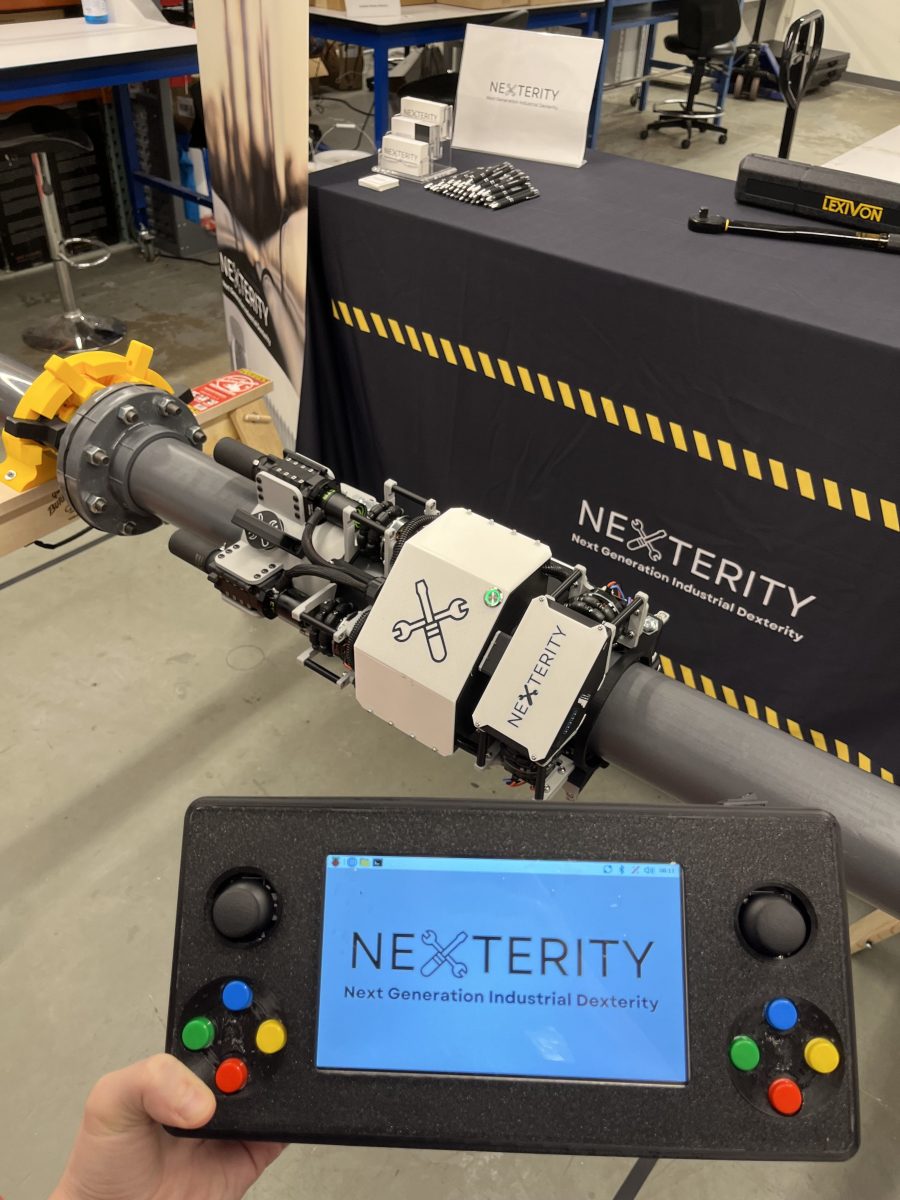
Pipefitting work involves repetitive heavy lifting and precise torque application that often leads to injuries and fatigue among workers.
Many sectors relying on extensive piping networks face ongoing challenges in maintaining consistent productivity levels.
The Evolution of Trade Automation
Automation in manufacturing trades has historically shifted roles from manual execution toward skilled oversight and maintenance.
Similar patterns emerged decades ago when robotic welding reduced physical strain in factories while creating demand for technicians.
Smaller contractors stand to gain the most from portable rental equipment that lowers the need for large crews on site.
Traditional suppliers of manual bolting tools may see reduced demand as adoption grows in oil gas and water treatment facilities.
Implications for Founders in Industrial Tech
Over the next twelve months increased regulatory focus on worker safety could accelerate trials of such systems in North American projects.
Founders exploring niche automation should note how repeatable tasks in standard pipe sizes enable scalable product design.
The rental model offers recurring revenue potential while addressing deployment flexibility across diverse industrial sites including mining and nuclear plants.
Lay founders can learn that targeting dangerous repetitive tasks opens opportunities in underserved blue collar markets with real economic impact.
Broader adoption might also support green manufacturing transitions by improving efficiency in sustainable facility builds.