
Malaysia Tightens EV Import Rules to Boost Local Car Making and Jobs
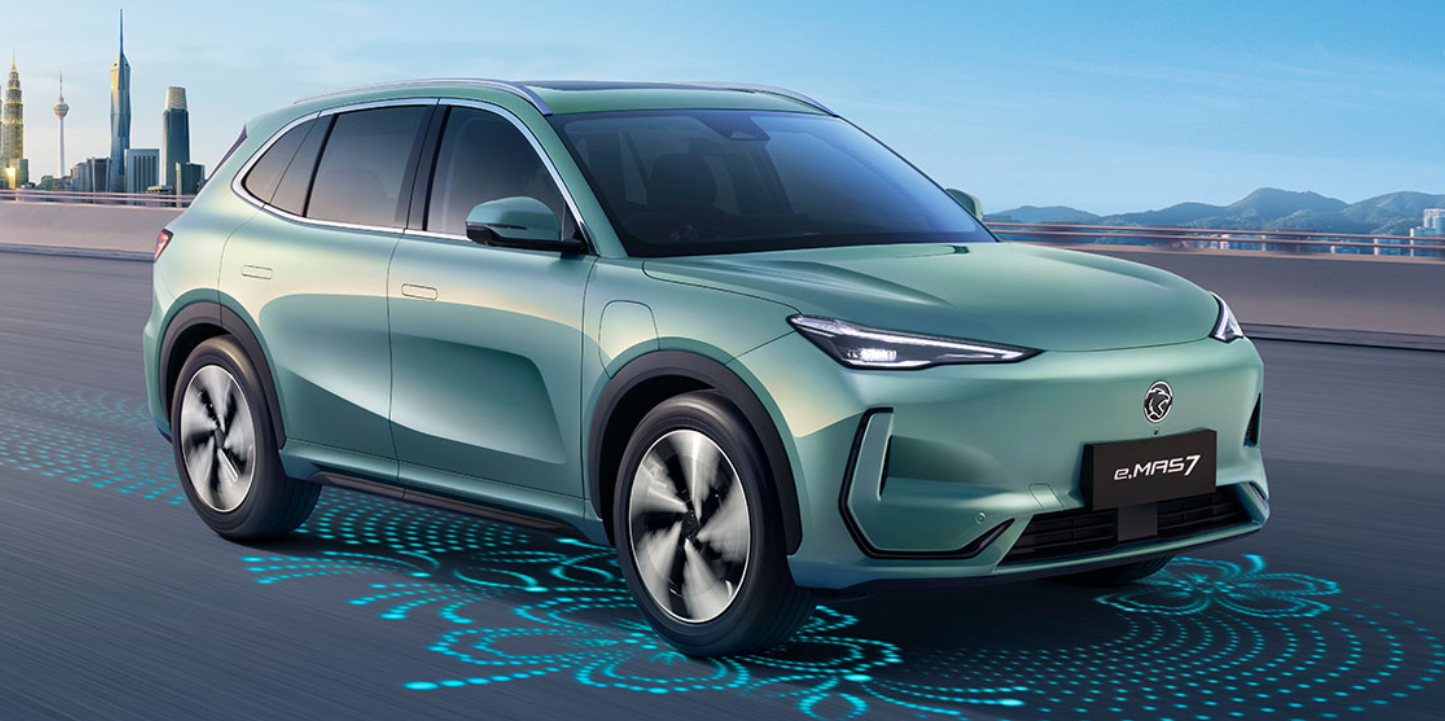
Malaysia is shifting its electric vehicle strategy toward building more cars at home instead of importing them.
New rules starting in July 2026 make it harder and more expensive to bring in fully built EVs from overseas.
Why Local Production Matters for Malaysian Workers
This change aims to create more factory jobs and strengthen local suppliers who make parts for cars.
National brands like Proton and Perodua already have big networks of local factories that can now grow faster.
Analysts expect more foreign companies to set up assembly plants here to avoid the new import limits.
EV sales have jumped sharply this year with over twenty five thousand units registered in the first five months alone.
How Higher Import Prices Could Help Everyday Buyers
Imported EVs now need to cost at least two hundred thousand ringgit before taxes which pushes their final price over three hundred thousand ringgit.
Locally made models will therefore look much more affordable to average families looking for greener transport.
Competition from Chinese brands such as BYD and Chery will keep prices competitive even as local production rises.
Overall car sales may not grow much but more people could switch to electric options over the next few years.
The government still offers support for local assembly until the end of twenty twenty seven giving companies time to invest.
In the long run this move could position Malaysia as a stronger player in the regional electric vehicle supply chain.