
Malaysia’s EV Market 2026: Steady Adoption Growth Shaped by Subsidies, Infrastructure, and Localization Efforts
Malaysia's electric vehicle transition is advancing steadily but gradually into 2026, balancing ambitious policies with real-world challenges.
EV sales have surged from a mere 274 units in 2021 to 44,800 by the end of 2025, capturing about 5.5% of total industry volume.
Fuel Subsidies and Charging Gaps Slowing Momentum
The BUDI95 subsidy maintains RON95 petrol at MYR 1.99 per liter for most users, reducing the financial incentive to switch to EVs.
Public EV chargers number only 5,360 as of late 2025, falling short of the 10,000-unit target and limiting widespread adoption.
Local Assembly Powers Proton's EV Leadership
Proton dominated Q1 2026 EV sales with 8,197 units, led by the e.MAS 5 at 82% of its volume.
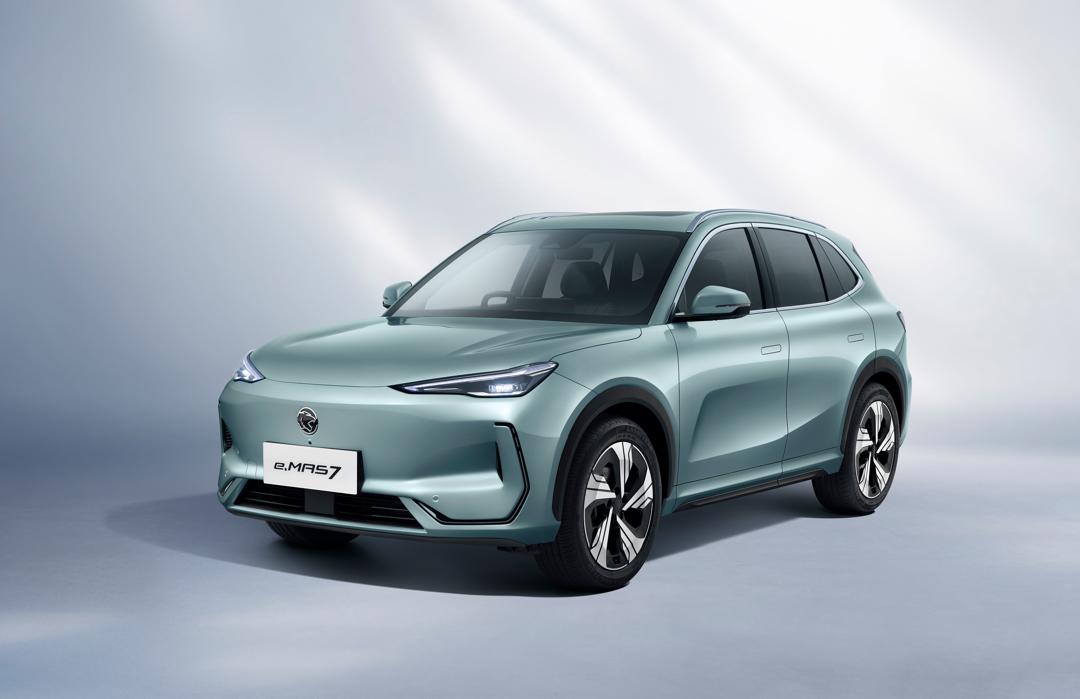
The e.MAS 7 saw renewed demand after local assembly slashed prices by MYR 4,000 to 6,000.
BYD secured second place with 2,261 units, mainly the Atto 3, amid regulatory hurdles for its CKD plant expansion.
National brands maintain a robust 65% share in the mass-market segment despite rising competition from Chinese OEMs.
Hybrids serve as a vital bridge, supporting government goals of 20% EV sales by 2030 and 80% by 2050 including hybrids.
Tax incentives for localization until 2027 are fostering investments, promising jobs and technology transfer for long-term impact.
Analysts forecast continued gradual growth without a near-term tipping point, emphasizing hybrids' role in the transition.