inDrive Teams Up for 2027 Robotaxi Tests in Central Asia
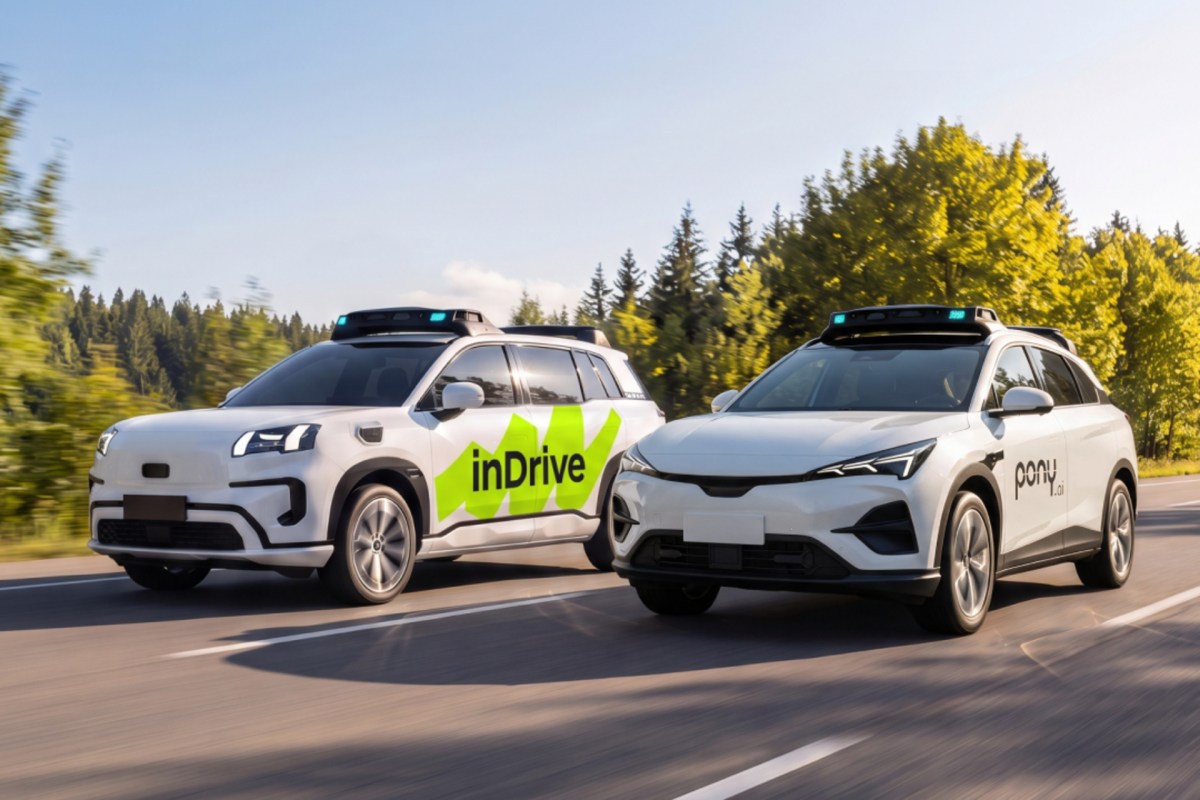
Ride-hailing companies are increasingly turning to autonomous technology to stay competitive in a fast-changing industry.
This collaboration signals a broader push into self-driving services outside traditional markets like the United States and China.
Partnerships Drive Innovation in Ride-Hailing
inDrive follows a capital-light model that lets it partner with specialists rather than build everything in-house.
Founders benefit from this approach because it lowers the high costs of developing complex autonomous systems from scratch.
Testing in harsh winter conditions like those in Astana can reveal real-world challenges that improve overall technology reliability.
Kazakhstan's new rules for autonomous vehicles create a supportive regulatory backdrop that encourages safe experimentation.
Future Outlook for Autonomous Mobility
Over the next twelve months more ride-hailing players will likely announce similar pilots in emerging regions.
Local economies stand to gain from new roles in vehicle maintenance and remote oversight as robotaxis scale.
Established competitors face pressure to accelerate their own plans or risk losing ground in cost-sensitive markets.
Success in Central Asia could open doors for affordable autonomous rides in other snowy or challenging climates worldwide.
Lay founders should monitor how governments balance innovation with safety rules to spot expansion opportunities.
This trend points to a maturing sector where smart alliances speed up progress for everyone involved.