
Brain-Computer Interfaces Offer New Hope for Severe Stroke Recovery
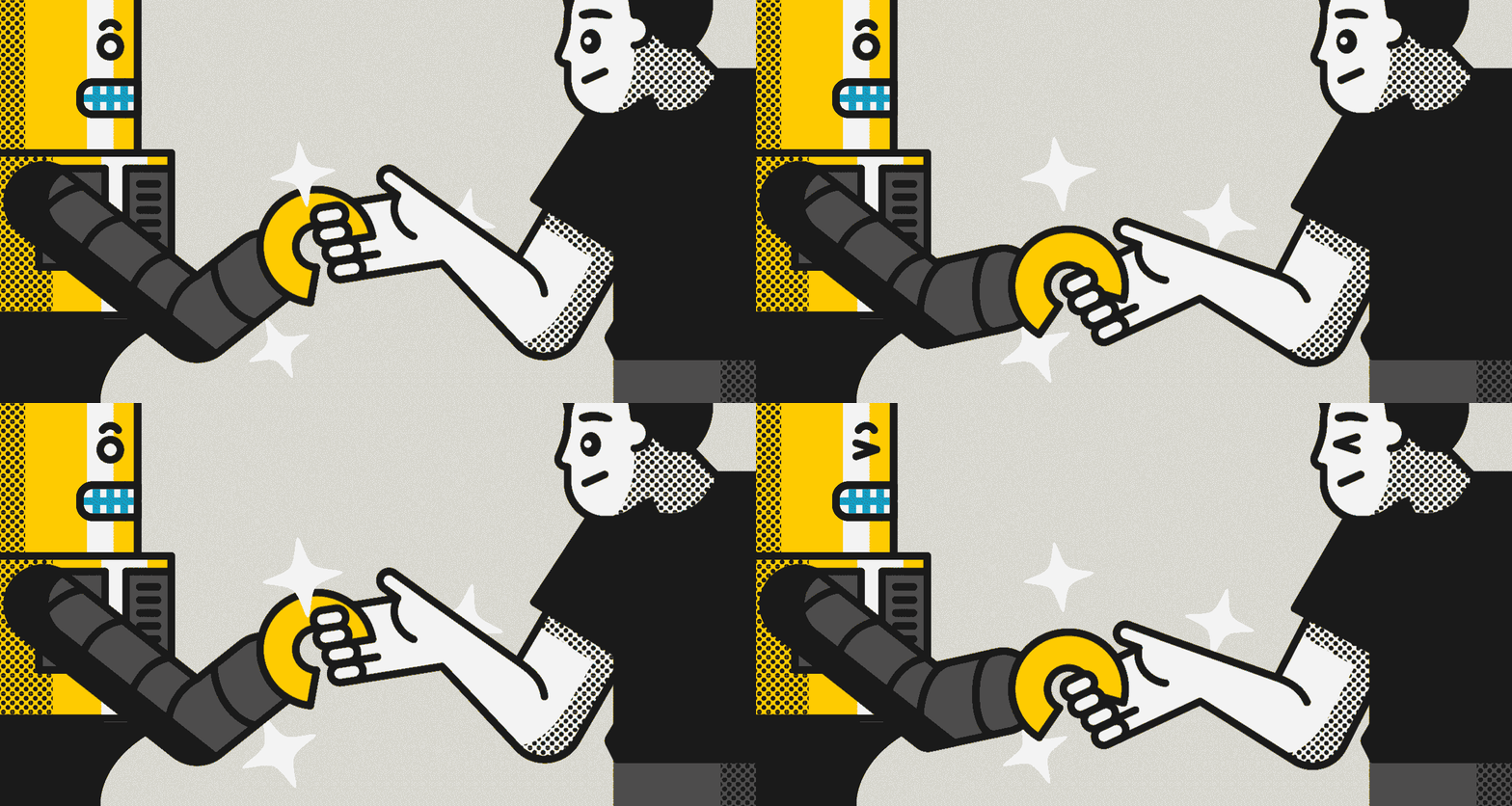
Brain-computer interfaces are emerging as a tool to support recovery in patients with severe strokes.
A wearable brain sensor reads patient brain activity during rehabilitation sessions.
How These Interfaces Support Hand Movement
Software analyzes the signals to detect when patients attempt to move paralyzed hands.
A robotic device then assists based on those detected attempts.
This method helps where traditional rehab often falls short due to lack of voluntary motion.
Patients may regain some function through repeated assisted practice over time.
Why This Matters for Everyday Healthcare
The approach could make rehab more accessible in regions with growing stroke cases.
It highlights how technology blends with medicine to address real patient needs.
Future refinements might expand use to other conditions involving paralysis.
Laypeople benefit as better recovery tools reduce long-term care burdens on families.
Overall progress in this area points to improved outcomes for many survivors.









