How AI Is Halving Early Drug Discovery Time for Big Pharma Giants
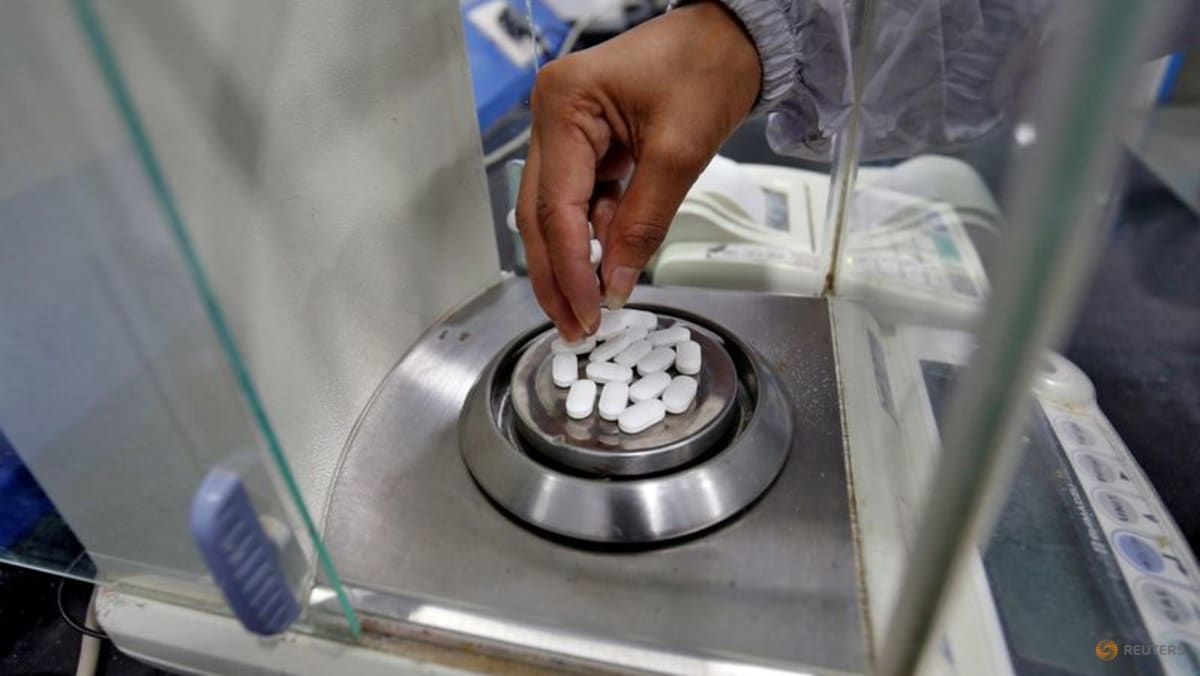
Pharmaceutical leaders are reporting concrete speed gains from artificial intelligence in the initial phases of creating new treatments.
These advances build on years of internal data collection that traditional methods alone could not fully exploit.
AI Transforming Early-Stage Pharmaceutical Research
Companies now apply the technology to molecule design, candidate selection, and early safety checks with measurable results.
One firm reduced design cycles from eight to three while halving the weeks per cycle.
Another skipped an entire study phase and saved at least one year on a specific asthma candidate.
The historical pattern shows drug development often spanned ten to fifteen years with nine in ten candidates failing clinical trials.
AI now compresses the pre-clinical window from three years down to eighteen months in some cases.
Long-Term Implications for Healthtech Innovators
Smaller biotechs benefit when larger players share select AI models to foster joint programs.
Over the next twelve months more frontier AI labs are likely to pursue targeted acquisitions or deeper collaborations in the sector.
Founders should watch second-order effects such as new funding flows into hybrid AI-pharma platforms that respect proprietary data boundaries.
Clinical and regulatory stages remain the main constraints on overall acceleration despite early wins.