
Google Teams With Blue Origin for 2029 Orbital AI Compute Test
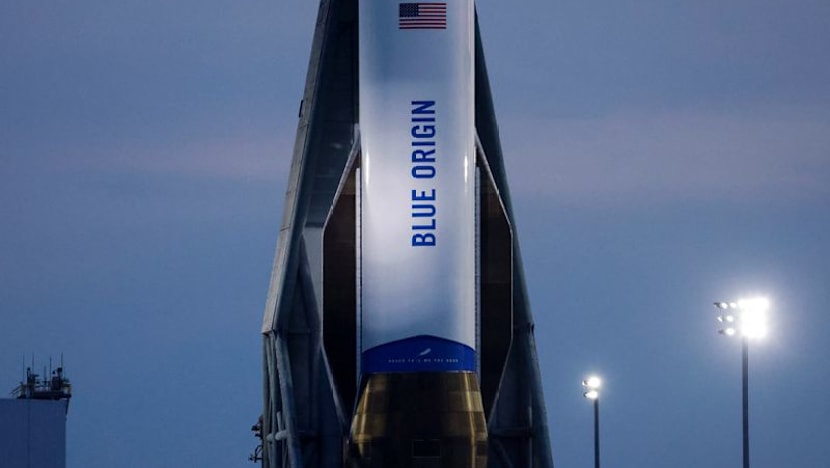
Google is advancing plans to test AI hardware in space through a dedicated rocket mission set for early 2029.
The effort targets the growing energy demands of artificial intelligence by exploring solar power available in orbit.
Why Space Could Reshape AI Infrastructure
Founders building AI products face rising costs for power and land on Earth as demand for compute surges.
Orbital systems offer one path to scale without straining local grids or requiring new data center sites.
This approach follows a historical pattern where tech leaders first test ideas in controlled prototypes before full deployment.
Over the next 12 months, expect more launch partnerships and regulatory filings as companies race to validate the concept.
Who Wins and Loses From Orbital AI Experiments
AI startups and cloud operators could gain access to abundant solar energy and potentially lower long-term costs if the technology matures.
Traditional energy providers and ground-based data center builders may face indirect pressure if space options prove viable at scale.
Launch providers like Blue Origin stand to benefit from steady commercial bookings that help stabilize their operations.
Engineers must still solve radiation shielding and heat dissipation challenges before any commercial rollout.
Successful tests could open new markets for specialized satellite manufacturing and space logistics firms.
Overall the move signals a broader shift toward diversified compute locations beyond terrestrial limits.