
Digital Identity Verification Spending to Surge 55% to Over $29 Billion by 2030
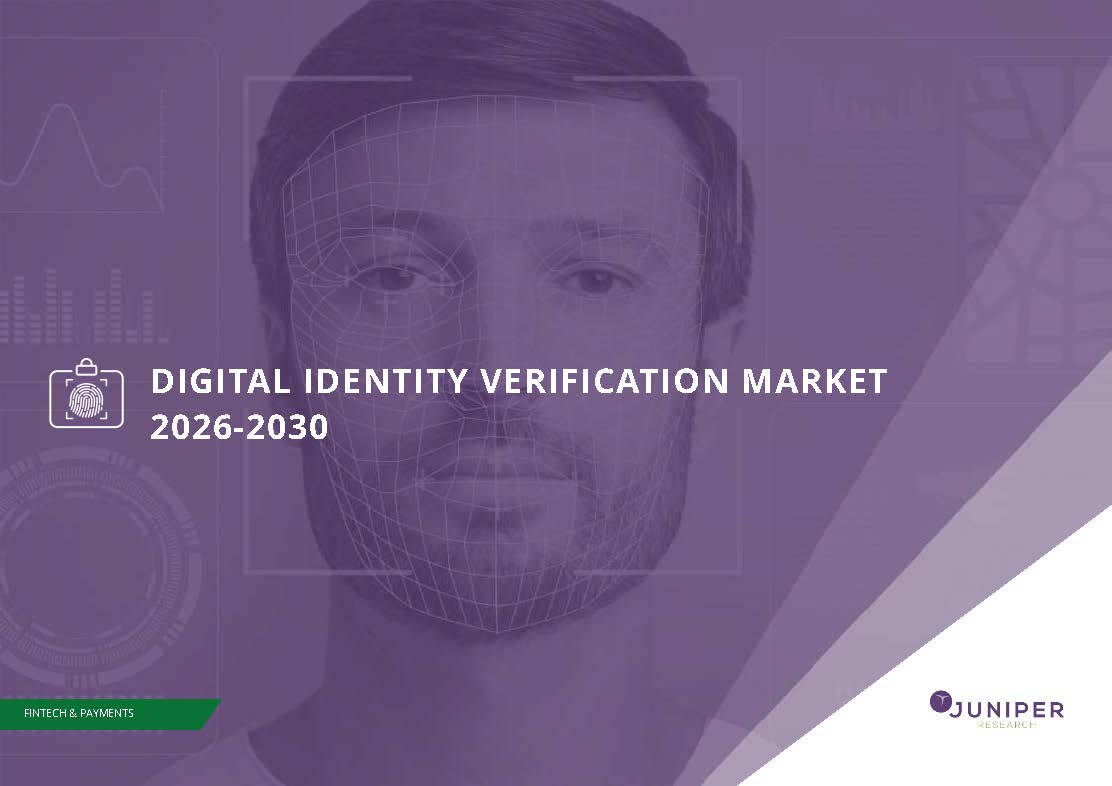
Global spending on digital identity verification is forecast to increase by 55% by 2030, climbing from nearly $19 billion in 2026 to surpass $29 billion.
This projection from market analysts highlights a booming sector driven by evolving tech and regulations.
Key Drivers Fueling Growth
Tighter global regulations are compelling businesses to implement stronger identity checks to combat fraud.
Investments in interoperable systems and unified platforms are making verification seamless across apps and services.
Shifting Industry Landscape
While financial services remain the biggest spender, their market share will shrink as other sectors catch up.
E-commerce, the gig economy, and digital-native platforms are rapidly adopting lifecycle-based monitoring for users.
This expansion reflects how everyday online activities now require constant identity assurance.
Top Vendors Leading the Charge
Companies like LexisNexis Risk Solutions, Experian, and Thales dominate with AI-powered fraud detection, biometrics, and behavioral analysis.
Businesses increasingly consolidate with fewer vendors offering global, compliant solutions.
Why It Matters to You
For average users, enhanced verification means fewer scams in shopping or ride-sharing, but it also sparks debates on data privacy.
Historically, the pandemic accelerated digital IDs; now AI and potential blockchain integration promise even smoother future access.
In the gig economy, reliable verification protects workers from fake clients, stabilizing incomes in a fragmented job market.









