Former Rivian Exec Predicts: Every Car Company Will Transform into a Robotics Company

A former executive from Rivian, the electric vehicle (EV) innovator, has made a bold claim that is sending ripples through the automotive industry.
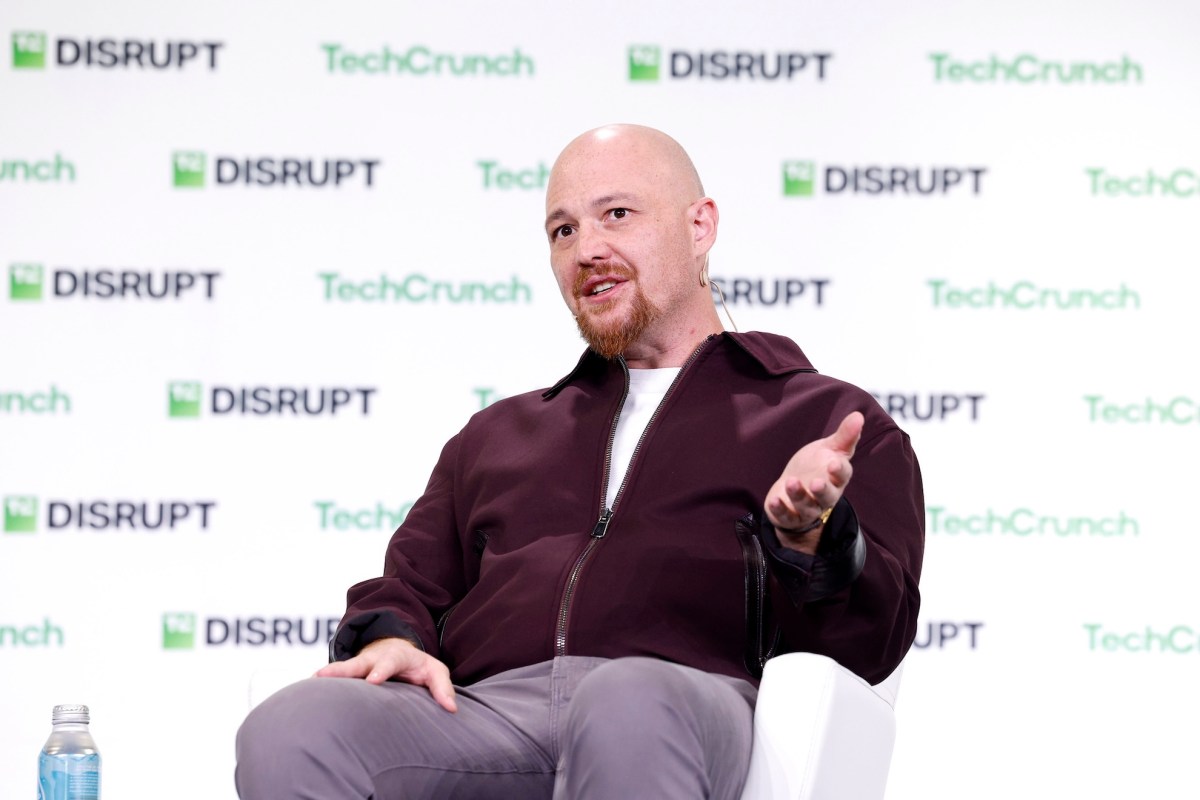
In a recent TechCrunch podcast, the ex-Rivian leader asserted that the future of car manufacturing lies in robotics, predicting that every car company will eventually become a robotics company.
The Shift from Traditional Autos to Robotics
This statement highlights a seismic shift in the industry, as vehicles increasingly integrate advanced automation and artificial intelligence (AI) technologies.
Historically, car manufacturers focused on mechanical engineering and assembly lines, but the rise of autonomous driving and smart systems has pushed companies to prioritize software and robotics expertise.
Rivian's Role in the Robotics Revolution
Rivian itself has been at the forefront of this transformation, recently announcing initiatives like its AI assistant and autonomy features set for release in 2026, as reported by TechCrunch.
The company’s focus on custom AI chips and lidar-based systems underscores the growing importance of self-driving technology in redefining what it means to be an automaker.
Impact on the Automotive Industry
The broader impact of this trend could be profound, as traditional manufacturers like Ford and GM are forced to adapt or risk obsolescence in a market increasingly dominated by tech-driven innovation.
Jobs in the sector may shift from manual labor to roles in coding and robotics engineering, potentially reshaping the global workforce.
Looking to the Future of Transportation
Looking ahead, the fusion of robotics and automotive industries could lead to fully autonomous fleets, transforming urban mobility and logistics with robotaxi services.
However, challenges remain, including regulatory hurdles and public trust in autonomous systems, which could slow this inevitable transition.
Still, the former Rivian exec’s vision aligns with current industry moves, suggesting that the line between car and robotics companies will continue to blur, creating a future where technology drives mobility.