Why Fixing Doctor Burnout with AI Proves Tougher in Southeast Asia
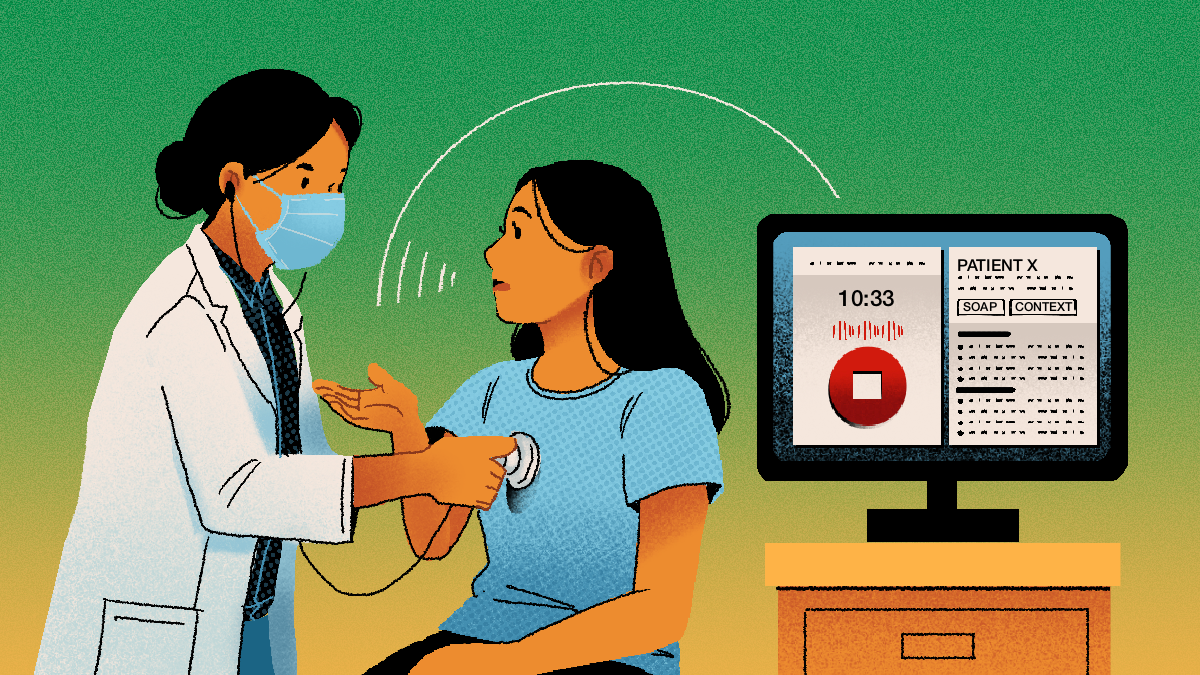
Doctors in Southeast Asia face severe burnout from heavy workloads and administrative burdens, mirroring global trends but amplified by regional healthcare strains.
AI-powered medical scribes, which transcribe consultations automatically, promise relief by slashing documentation time that often consumes hours daily.
Challenges Unique to SEA
Diverse languages and accents across Southeast Asia complicate AI accuracy, unlike uniform English-dominated markets in the US.
Fragmented healthcare systems with small clinics hinder scalable adoption of costly AI tools designed for large hospitals.
Strict data privacy laws and regulatory hurdles in countries like Indonesia and Thailand slow down AI scribe deployment.
Real-World Impact and History
Post-COVID, burnout rates soared, with studies showing over 50% of SEA physicians affected, leading to errors and staff shortages.
Innovators like JarvisMD offer region-specific solutions, but widespread use lags behind US firms such as Suki AI.
Future Outlook and Broader Implications
Government investments in digital health could bridge gaps, fostering local AI startups tailored to SEA needs.
Beyond burnout, effective AI could improve patient care quality and access in underserved areas.
For everyday people, less stressed doctors mean safer, more attentive healthcare amid rising demand from aging populations.
A non-obvious angle: Cultural reluctance to discuss mental health in SEA makes tech fixes like AI essential yet under-discussed.