
FAA's Quick AI Rollout for Air Traffic Sparks Lawmaker Scrutiny and Broader Tech Risks
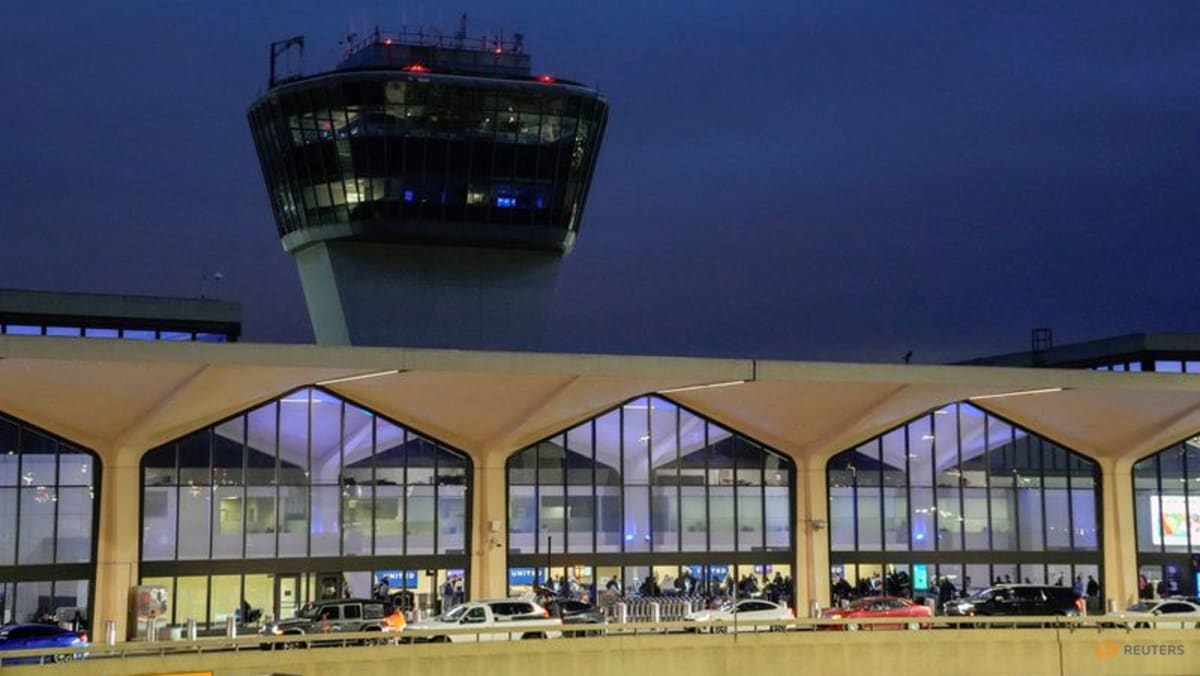
The Federal Aviation Administration moved forward with a new predictive analytics system for managing flights across the country in early November.
This step came after limited testing in one region and followed a major nationwide disruption earlier that month.
AI Deployment Lessons for Safety-Critical Industries
Founders building tools for regulated fields like transportation or infrastructure can see how rapid scaling without full validation invites political pushback.
Past efforts to modernize air traffic systems have often faced similar delays when trust erodes after outages.
Contract winners gain stable revenue streams while smaller innovators risk exclusion from future government work.
Twelve-Month Outlook and Second-Order Effects
Over the next year expect tighter oversight on AI recommendations in high-stakes environments which could slow adoption timelines industry-wide.
Airlines may face higher costs from cautious scheduling while public confidence in automated systems dips further.
Startups focused on data analytics stand to lose ground if lawmakers prioritize human oversight mandates over efficiency gains.
Broader sectors such as logistics or energy could delay their own AI pilots to avoid comparable backlash.
Companies that emphasize transparent testing and employee feedback channels early will likely navigate these hurdles more successfully.
This episode highlights the tension between innovation speed and the need for proven reliability in systems that affect millions daily.