
Google's Debug Expands Singapore Hub with AI to Combat Deadly Mosquito Diseases
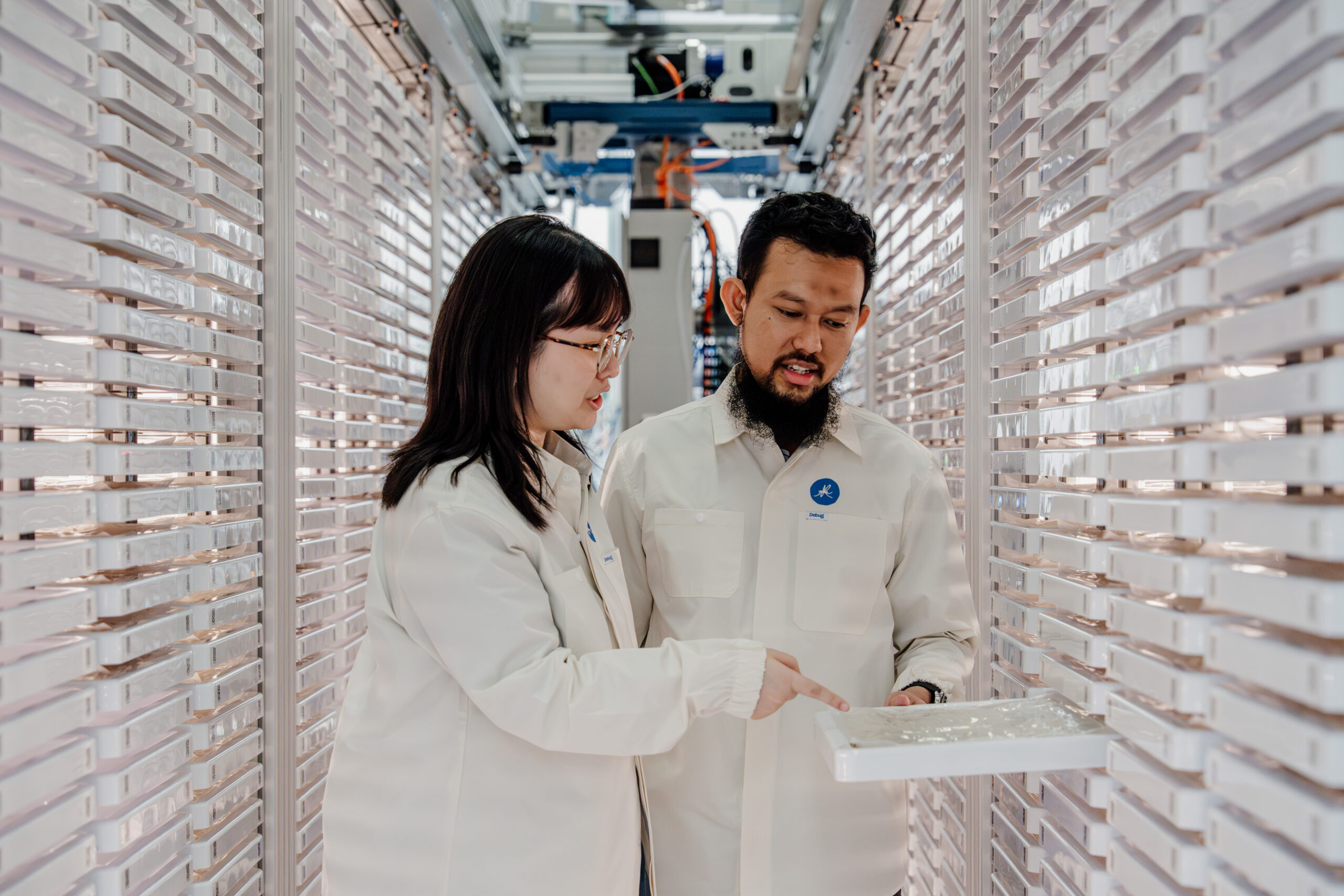
Google's Debug initiative is expanding its Singapore operations to ramp up AI-driven mosquito production against diseases like dengue.
The new facility marks Debug's first international R&D hub and its largest site for adult mosquito breeding, building on partnerships with Singapore's National Environment Agency since 2018.
Boosting Wolbachia Tech Against Dengue
Debug uses Wolbachia bacteria in male Aedes aegypti mosquitoes to suppress populations that spread dengue, a virus causing severe fever and pain with no cure.
In Singapore's Project Wolbachia trials, this method achieved 80-90% mosquito suppression and over 70% drop in dengue cases within months.
Over a decade, Debug has released more than 1 billion such mosquitoes worldwide, now scaling to over 10 million weekly in Singapore.
AI and Robotics Revolutionize Pest Control
The expansion introduces end-to-end robotics, AI sex-sorting, and automated releases to make production faster and cheaper.
This chemical-free approach addresses Asia's 70% share of global dengue burden, where climate change worsens outbreaks by expanding mosquito habitats.
Non-obvious angle: Beyond health, it cuts economic losses from dengue—hospitalizations and lost workdays costing billions yearly in Southeast Asia.
Future Outlook for Global Health
Debug plans mosquito population replacement, where Wolbachia spreads to offspring, permanently curbing disease vectors.
Singapore's deep-tech ecosystem positions it as a launchpad for exporting this to dengue hotspots like Indonesia and India.
For everyday people, this means fewer painful outbreaks, safer travel, and a model for AI tackling climate-amplified threats like malaria.
Executives hail it as a blueprint for health tech, with Google growing its Singapore engineering team to innovate regionally.









