
JinkoSolar Abruptly Cancels $1.5 Billion Solar Project in Vietnam Over Steep US Anti-Dumping Tariffs on PV Panels
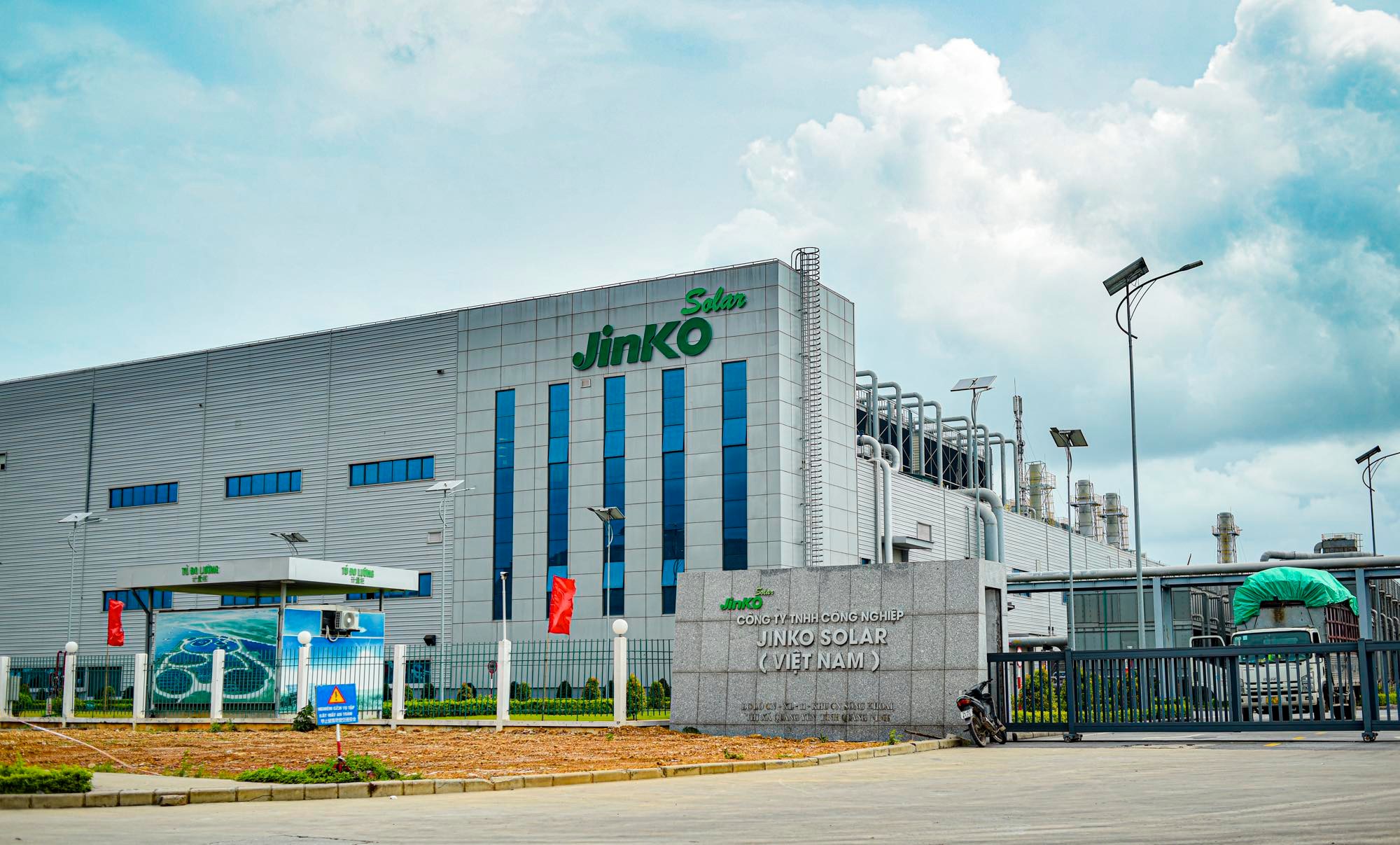
JinkoSolar, a leading Chinese solar manufacturer, has officially terminated its $1.5 billion photovoltaic project in Vietnam.
The decision stems directly from prohibitive US tariffs on PV panels originating from Vietnam, rendering the venture economically unviable.
Project Background and History
The Jinko Solar Hai Ha Vietnam project in Quang Ninh province was poised to become one of the company's largest overseas investments, primarily targeting exports to the United States.
Prior to this cancellation, JinkoSolar had already established two major facilities in Vietnam—Jinko 1 and Jinko 2—with a combined investment exceeding $865 million.
US Tariff Impact Explained
In January 2025, the US Department of Commerce imposed a 71.85% anti-dumping duty on crystalline silicon PV cells from JinkoSolar's Vietnamese subsidiary.
This tariff triggered sluggish sales and prevented the project from meeting its financial targets, prompting the termination announcement via Vietnam's National Business Registration Portal.
Immediate Economic Repercussions
The cancellation exacerbates JinkoSolar's financial woes, contributing to a staggering preliminary net loss of RMB 7.64 billion in 2025 amid plummeting PV product prices.
Vietnam now faces complex termination procedures involving ongoing construction halts, social security settlements, tax adjustments, and land lease terminations.
Future Outlook for Solar Industry
Despite this setback, JinkoSolar maintains over 10 global production bases and 20+ overseas subsidiaries across countries like the US, Mexico, and India.
The episode underscores escalating US-China trade tensions in renewables, potentially redirecting investments to tariff-free regions.
Vietnam's ambition to become a solar manufacturing hub may suffer, prompting policymakers to seek alternative incentives for foreign investors.









