
Cartier and Van Cleef & Arpels Lift Richemont Profits Despite Luxury Sector Slump
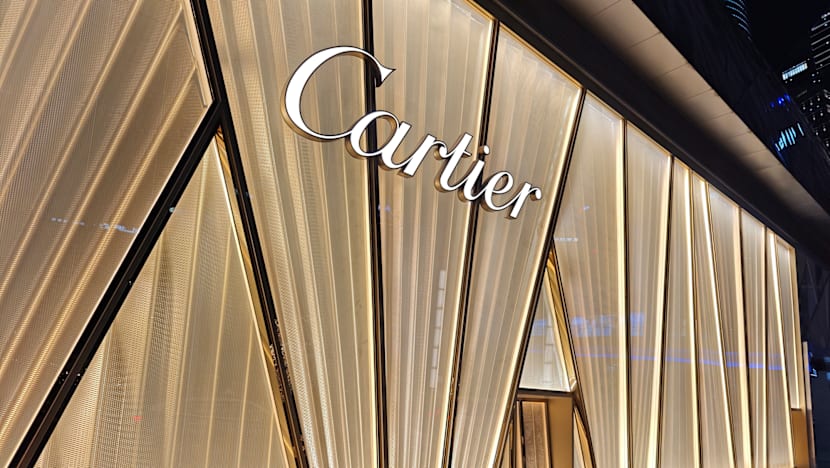
Richemont posted stronger first-half results than expected, with net profit rising 39 percent to 2.5 billion euros.
Sales climbed 17 percent organically to 12.3 billion euros, driven mainly by its jewellery maisons.
Why Jewellery Resilience Matters for Long-Term Brand Strategy
Jewellery sales grew 19 percent organically to 9.1 billion euros, showing that high-net-worth buyers keep spending on investment-grade pieces even when broader luxury demand weakens.
This pattern echoes past downturns where durable, heirloom items outperformed seasonal fashion and accessories.
Founders in consumer goods can learn from Richemont's focus on timeless designs rather than chasing short-term trends.
Watch brands within the group also recovered faster than analysts predicted in the second quarter.
12-Month Outlook and Second-Order Effects on Supply Chains
Regional differences stand out, with Japan leading at 23 percent growth while China stays soft and the Middle East declined 7 percent due to regional tensions.
Over the next year, sustained jewellery demand could benefit raw-material suppliers and specialist artisans, creating ripple effects in skilled-labor markets.
At the same time, slower growth in aspirational segments may pressure mid-tier brands that rely on volume rather than exclusivity.
Richemont's results highlight how portfolio concentration in resilient categories can shield groups from wider industry volatility.
For operators building consumer businesses, the takeaway is clear: prioritize products that wealthy clients view as stores of value.