
Can Automation Fix the Complex Challenges of Pharma Distribution Across Asia?
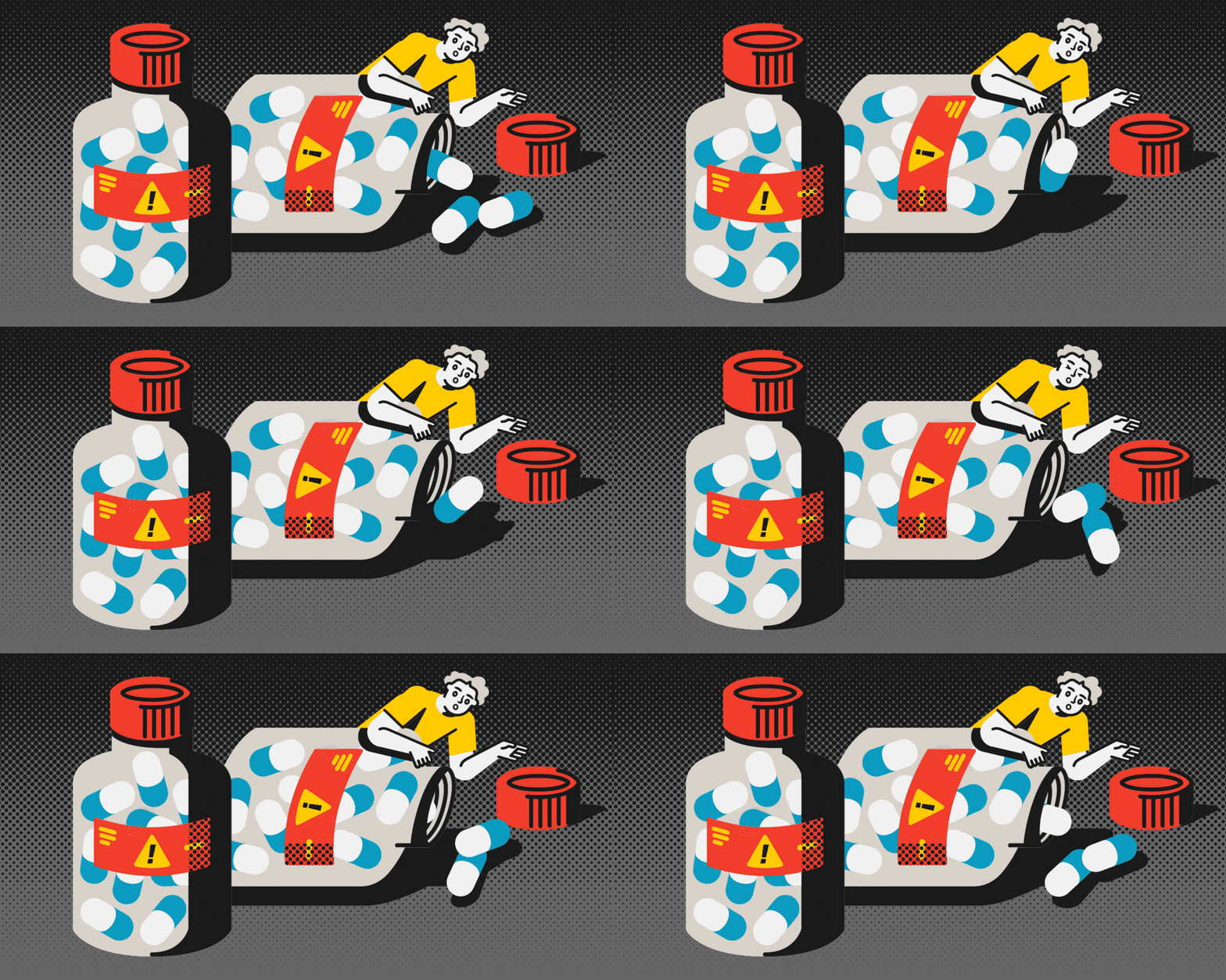
Pharmaceutical distribution in many Asian markets involves intricate networks that often face logistical hurdles and regulatory demands.
Industry observers note that manual processes can lead to errors in tracking medicines from factories to pharmacies.
Efforts to introduce automation aim to streamline these operations but details on specific implementations remain limited without direct verification.
The Growing Role of Technology in Supply Chains
Automation technologies like robotics and software systems have shown promise in other sectors for improving efficiency and reducing waste.
Similar applications in pharma could help manage expiry dates and inventory more accurately according to general industry reports.
However claims about particular companies or projects require independent confirmation to avoid overstatement.
Broader trends indicate rising interest in digital tools amid increasing healthcare demands in the region.
Potential Impacts on Everyday Access to Medicines
Better distribution systems might eventually lower costs and improve availability for consumers in developing areas.
Historical issues with counterfeit drugs highlight why reliable tracking matters for public safety.
Looking ahead integration of AI and automation could support more resilient supply chains against disruptions like pandemics.
Ultimately these developments matter because efficient medicine delivery affects health outcomes for millions of ordinary people.