
Malaysia's Gradual Shift to Battery Electric Vehicles: Analysts Predict Steady Growth in EV Adoption
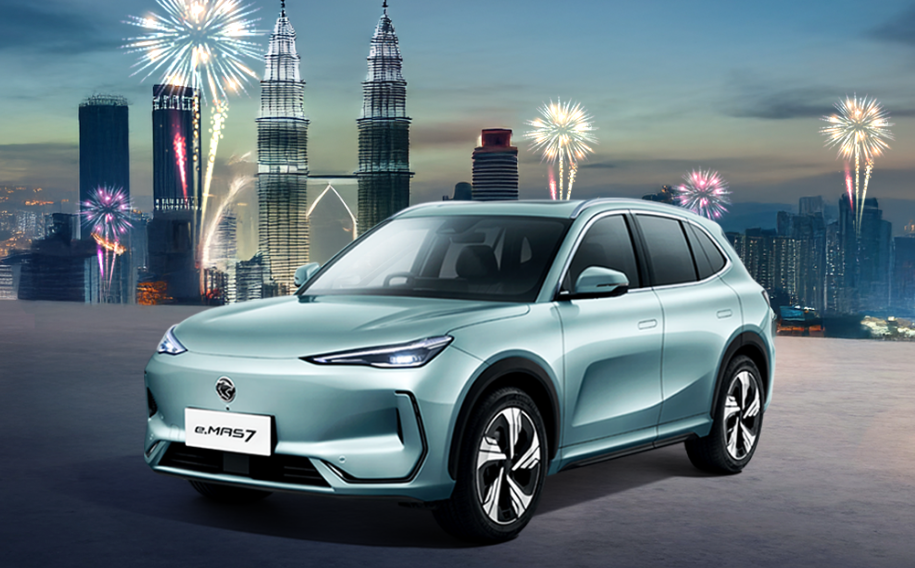
Malaysia is on the cusp of a significant transformation in its automotive sector as analysts predict a gradual transition to battery electric vehicles (BEVs) in the coming years.
This shift, highlighted in a recent report by TechNode Global, underscores the growing interest in sustainable transportation solutions amid global calls for reduced carbon emissions.
Historical Context of EV Adoption in Malaysia
Historically, Malaysia has lagged behind regional peers like Singapore and Thailand in electric vehicle (EV) adoption due to infrastructure challenges and high upfront costs.
However, government initiatives, including tax incentives and the National Automotive Policy, have laid the groundwork for an EV-friendly ecosystem over the past decade.
Current Trends and Analyst Insights
Analysts note that the pace of BEV adoption is gaining momentum, driven by increasing consumer awareness and the entry of affordable models into the market.
The availability of charging infrastructure, though still limited, is expanding with public-private partnerships playing a crucial role in urban centers.
Economic and Environmental Impact
This transition is expected to have a profound economic impact, creating jobs in manufacturing, technology, and maintenance sectors related to EVs.
Environmentally, a shift to BEVs could significantly lower Malaysia's carbon footprint, aligning with the country's commitment to net-zero emissions by 2050.
Challenges Ahead for Mass Adoption
Despite the optimism, hurdles such as battery costs and the need for a robust national grid to support widespread charging remain key concerns.
Analysts also caution that rural areas may face slower adoption rates due to infrastructure gaps compared to urban hubs like Kuala Lumpur.
Future Outlook for Malaysia's EV Landscape
Looking ahead, the future of BEVs in Malaysia appears promising, with projections suggesting a steady rise in market share by the end of the decade.
Continued government support and international collaborations could position Malaysia as a regional leader in the EV space, building on the momentum reported by TechNode Global.