AI Agents Face Website Blocks: New Standards Emerge to Unlock Access

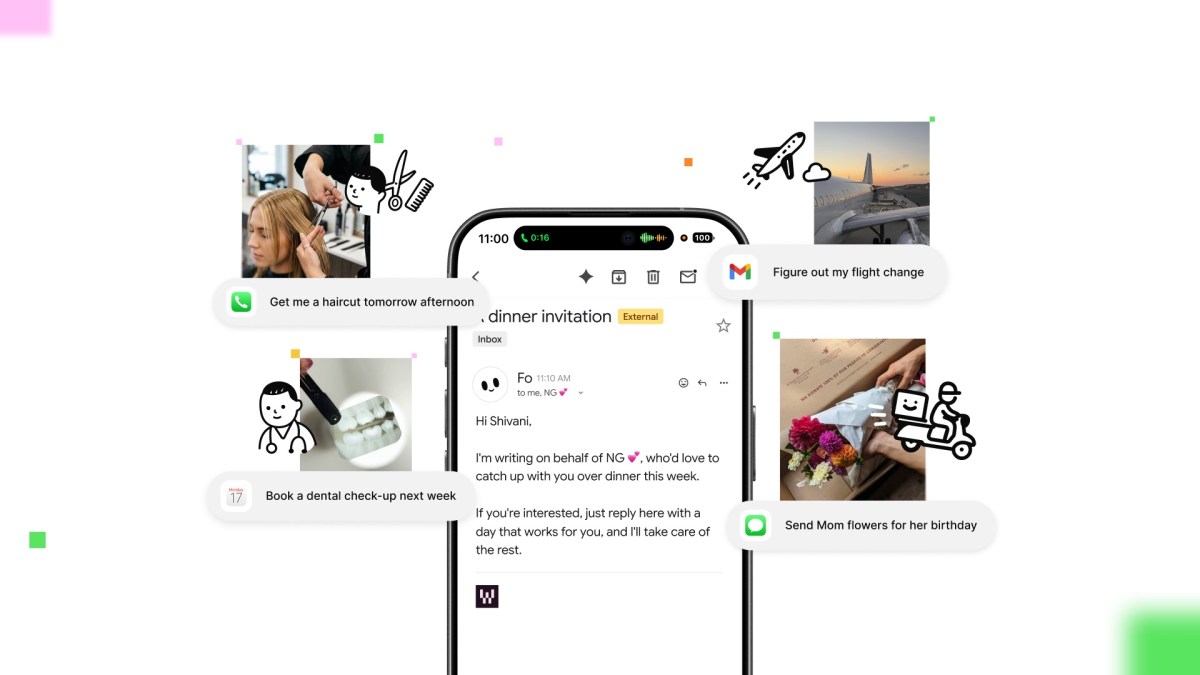
Personal AI agents are expanding beyond simple chat to handle real-world tasks like shopping and bookings on behalf of users.
This capability is running into unexpected barriers as many websites treat agent activity like unwanted automation.
The Evolution of Bot Detection
Traditional security tools such as CAPTCHA were built to stop spam and scrapers but now disrupt helpful agents too.
Historical patterns show similar clashes when new automation waves hit the web, from early search crawlers to mobile apps.
Companies like Amazon have deliberately restricted certain agents while others face accidental blocks from existing defenses.
Over the next 12 months, widespread testing of agent-to-business protocols could either standardize access or create fragmented experiences across platforms.
Implications for Founders Building AI Tools
Smaller sites without partnerships may lose traffic as users shift to agent-friendly retailers, hurting independent operators.
Big tech players with early integrations stand to gain market share while non-partners risk customer frustration and lost sales.
Founders should prioritize API-first designs and monitor emerging standards to avoid similar access issues in their own products.
Second-order effects include potential new revenue from agent licensing deals and pressure on security vendors to differentiate good bots from bad.
Overall adoption of personal agents will likely slow without clear rules, affecting innovation timelines for the entire ecosystem.