
Zepto Set to File Confidential IPO Papers on December 26, Aiming for 2026 Listing in India’s Quick Commerce Boom
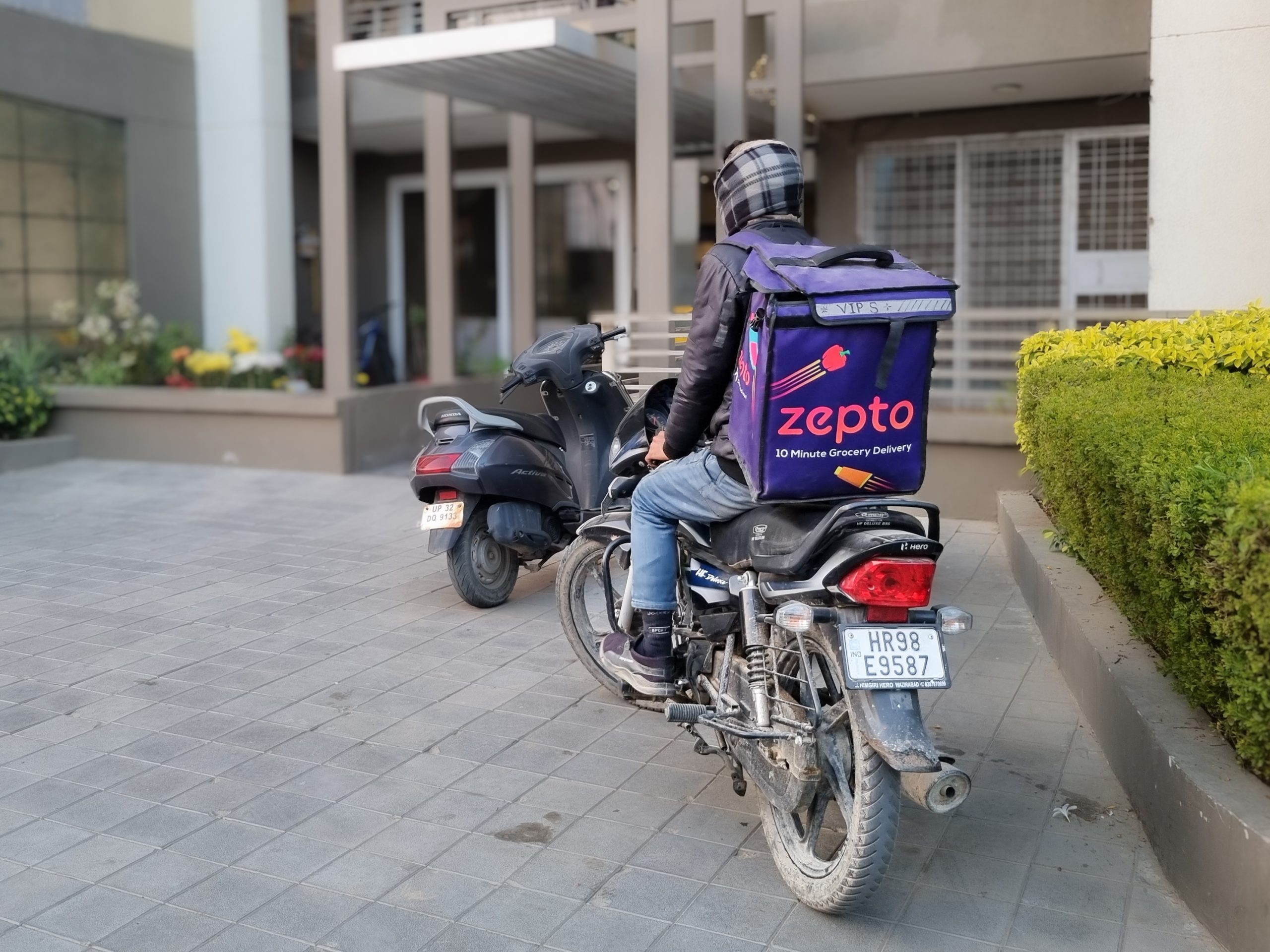
Quick commerce unicorn Zepto is reportedly gearing up to file its draft IPO papers confidentially on December 26, marking a significant step toward a potential stock market debut in 2026.
According to sources cited by various reports, the Mumbai-based startup, founded in 2020 by Stanford dropouts Aadit Palicha and Kaivalya Vohra, is looking to raise substantial capital to fuel its aggressive expansion in India’s hyper-competitive quick delivery market.
Zepto’s Rapid Rise in Quick Commerce
Zepto has quickly emerged as a key player in India’s quick commerce sector, challenging established giants like Zomato’s Blinkit and Swiggy Instamart with its promise of 10-minute deliveries.
The company’s focus on hyperlocal delivery and efficient dark store networks has resonated with urban consumers, driving its valuation to over $5 billion in recent funding rounds.
A Strategic Move Amid Market Competition
The confidential filing of its Draft Red Herring Prospectus (DRHP) with SEBI is a calculated move, allowing Zepto to refine its IPO plans away from public scrutiny before a formal announcement.
This approach mirrors strategies adopted by other tech startups aiming to balance market timing and investor sentiment in a volatile economic landscape.
Historical Context and Growth Trajectory
Since its inception, Zepto has capitalized on the post-pandemic surge in demand for instant grocery and essentials delivery, growing its presence across major Indian cities at a remarkable pace.
The startup’s ability to secure funding from global investors like General Catalyst and StepStone Group underscores the confidence in its business model and long-term potential.
Future Implications for Investors and Industry
Zepto’s planned IPO, reportedly targeting a raise of around $500 million, could set a benchmark for other quick commerce players eyeing public listings in 2026, a year anticipated to see a wave of big-ticket IPOs in India.
The listing is expected to intensify competition, pushing innovation in logistics and customer experience while potentially reshaping investor perceptions of the quick commerce sector’s profitability.
For Indian consumers, Zepto’s expansion could mean broader access to rapid delivery services, but it also raises questions about sustainability and the impact of such models on local kirana stores.
As Zepto prepares for this pivotal moment, all eyes will be on how it navigates regulatory hurdles and market dynamics to achieve a successful debut in the coming year.