
Air Taxi Hype vs. Reality: Can eVTOLs Revolutionize Urban Mobility by 2030?
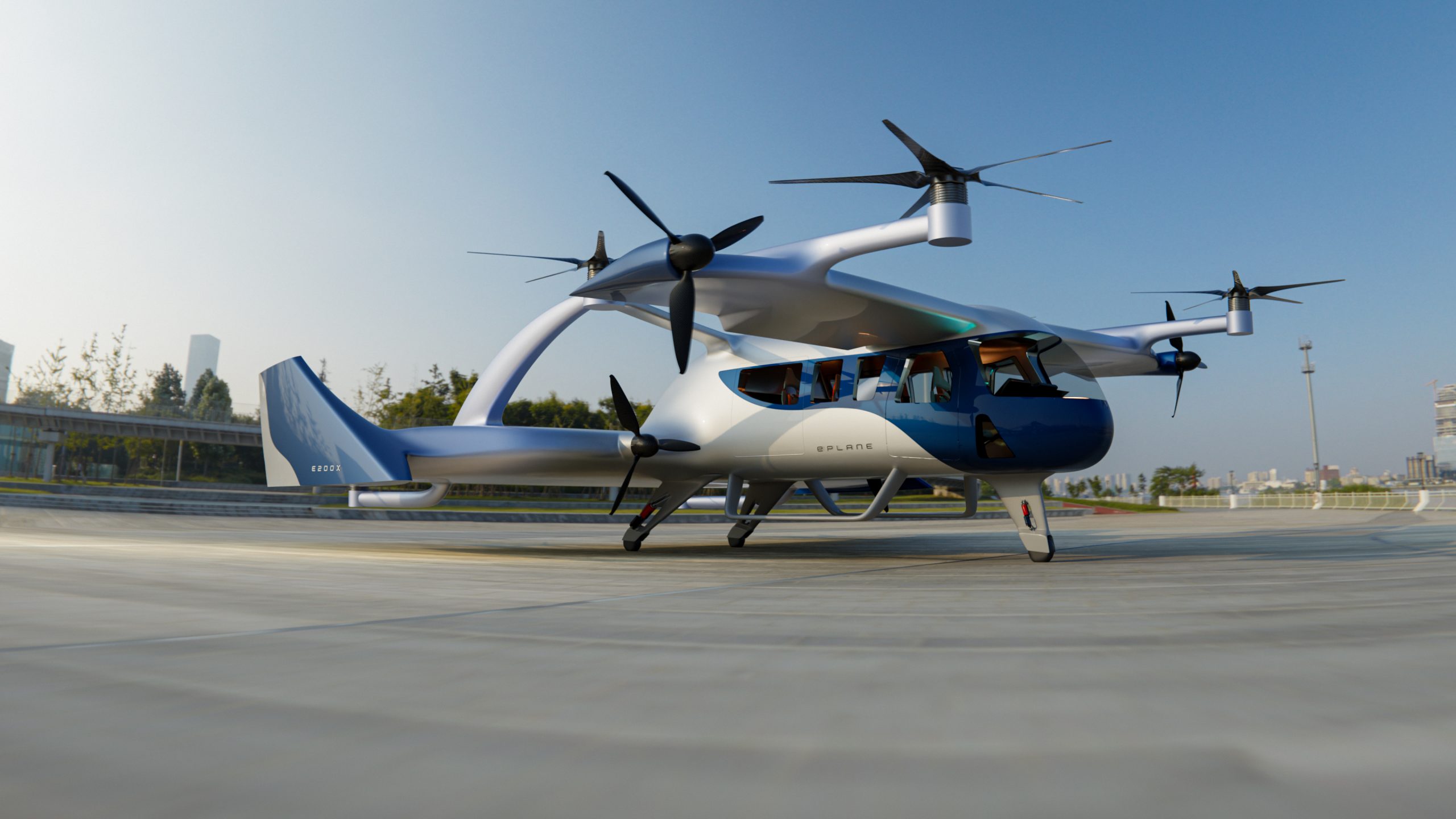
The promise of air taxis, once a futuristic dream, has captured the imagination of urban planners and tech enthusiasts alike.
However, as companies like Joby Aviation and Archer Aviation push forward with ambitious plans, the gap between hype and reality remains stark, raising questions about the feasibility of this transformative mode of transport.
The Historical Push for Urban Air Mobility
Efforts to integrate flying taxis into urban landscapes date back over a decade, with early concepts tied to solving traffic congestion in megacities.
Since then, advancements in electric vertical takeoff and landing (eVTOL) technology have fueled optimism, with significant investments pouring into the sector.
Current Challenges Facing Air Taxi Adoption
Despite the excitement, major hurdles such as regulatory approvals, infrastructure limitations, and high operational costs continue to delay widespread deployment.
Reports indicate that while prototypes are advancing, scaling to commercial operations by 2026, as some companies predict, may be overly ambitious given these constraints.
Impact on Urban Communities and Economies
If successful, air taxis could drastically reduce commute times in cities like Dubai and Miami, potentially reshaping urban mobility and boosting local economies.
However, critics argue that initial services may cater only to the ultra-wealthy, limiting broader societal benefits and raising concerns about accessibility.
The Future of Air Taxis: 2030 and Beyond
Looking ahead, industry forecasts suggest that technological breakthroughs and partnerships with aviation authorities could pave the way for more inclusive and affordable air taxi services by the end of the decade.
Companies like Joby Aviation are already expanding production facilities, with plans to quadruple output by 2027, signaling a long-term commitment to this vision.
Still, as recent analyses highlight, overcoming safety concerns and public skepticism will be critical to turning this sci-fi concept into an everyday reality.