Whole Foods Partners with Mill for Smart Food Waste Bins by 2027 to Revolutionize Sustainability

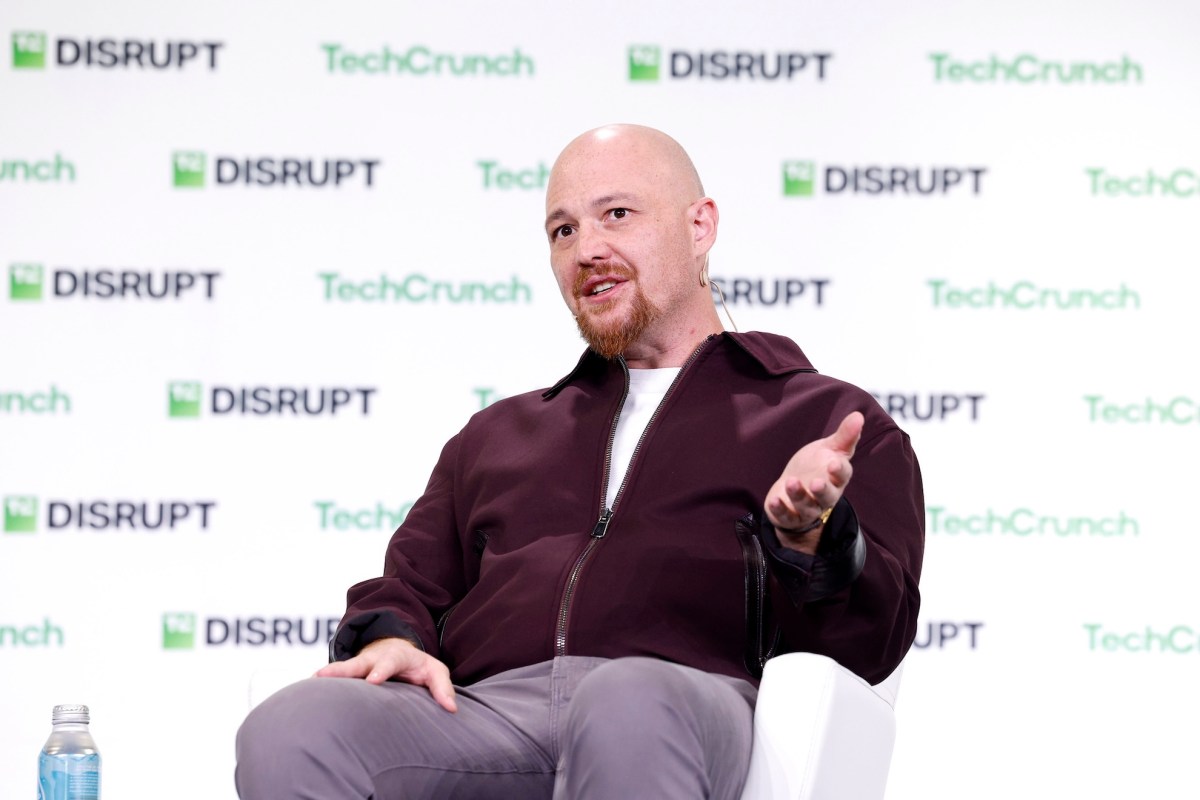
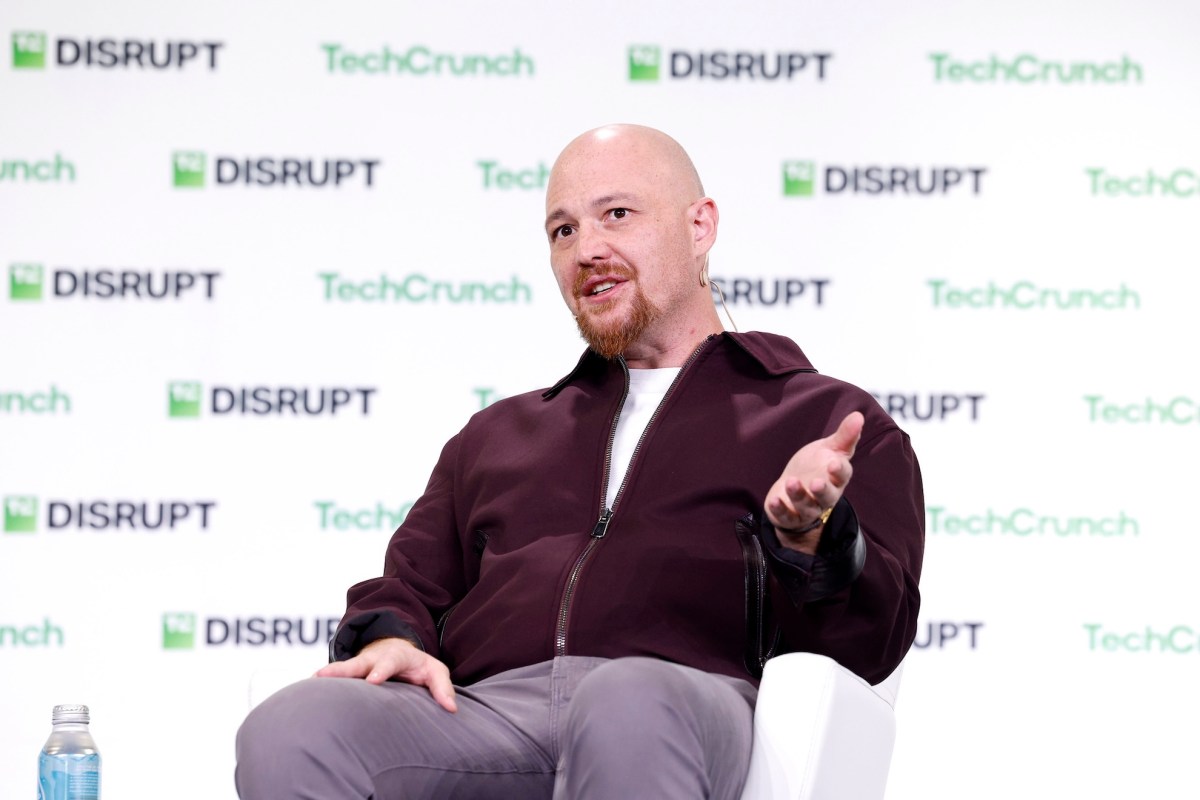
Whole Foods Market, a subsidiary of Amazon, has announced a groundbreaking partnership with Mill Industries Inc., a food waste startup founded by Nest alumnus Matt Rogers, to install smart food waste bins in its stores starting in 2027.
This initiative marks a significant step toward reducing in-store food waste, aligning with Amazon's ambitious sustainability goals, including its 2030 waste reduction targets.
Addressing the Global Food Waste Crisis
Food waste is a critical global issue, contributing to 8-10% of greenhouse gas emissions and costing the economy an estimated $1 trillion annually, according to the United Nations.
Mill's innovative technology aims to tackle this problem by using sensor-enabled bins that measure, reduce, and convert food waste into food grounds, a material that can be repurposed as animal feed.
A History of Innovation and Investment
The partnership is backed by Amazon's Climate Pledge Fund, which has invested an undisclosed amount in Mill, a company that has raised $250 million since its founding in 2020 from investors like Google Ventures and Breakthrough Energy Ventures.
Mill's CEO, Matt Rogers, emphasized the overlooked economic impact of waste, stating that it represents one of the largest sectors often ignored by the industry.
Impact on Retail and Sustainability
By deploying these AI-powered bins, Whole Foods could reduce food waste volumes by up to 80%, setting a precedent for other retailers to follow in adopting sustainable practices.
This move not only benefits the environment but also positions Whole Foods as a leader in grocery sustainability, potentially influencing consumer perceptions and loyalty.
Looking to the Future of Food Waste Solutions
The rollout of Mill's technology at Whole Foods is expected to inspire broader adoption of food waste innovations across the retail sector by the end of the decade.
Experts predict that such technologies could become standard in supermarkets, reducing landfill contributions and supporting a circular economy.
As the partnership develops, stakeholders will closely monitor the effectiveness of these bins in achieving measurable waste reduction and their scalability to other Amazon-owned operations.
For now, this collaboration between Whole Foods and Mill signals a promising future for sustainable retail practices, with the potential to reshape how the industry addresses one of its most pressing challenges.