
Rad Power Bikes Files for Bankruptcy: What’s Next for the US E-Bike Giant?
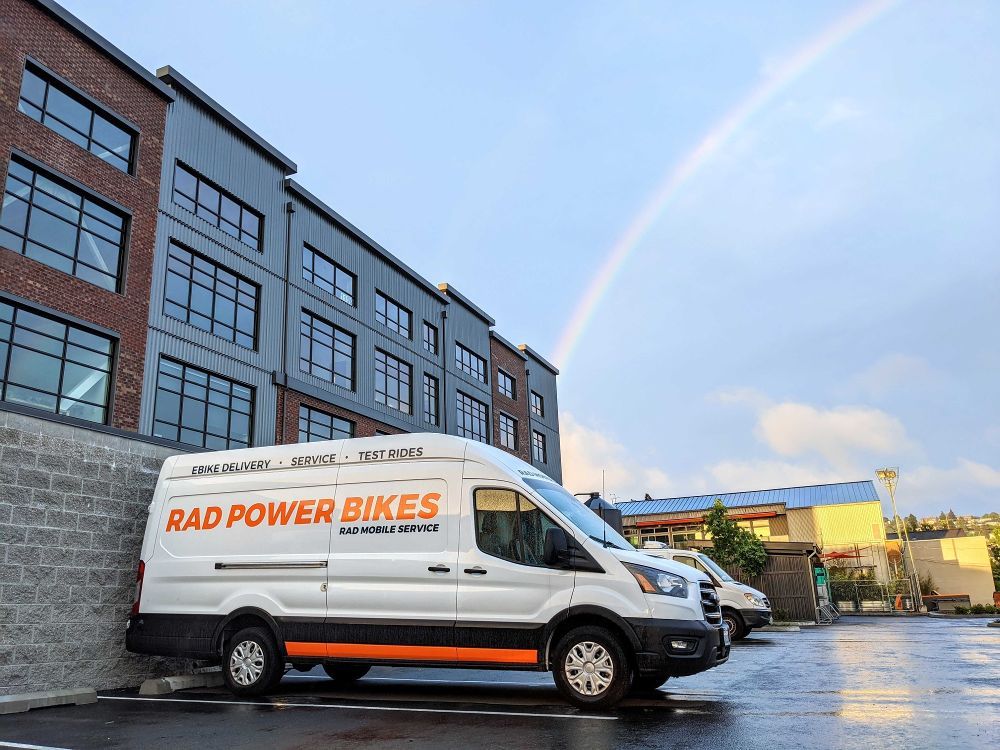
Seattle-based Rad Power Bikes, once a leading name in the US e-bike market, has filed for Chapter 11 bankruptcy protection, marking a significant downturn for the company.
The filing, announced on December 16, 2025, comes as the company grapples with a steep revenue decline from $318 million to $45 million and a debt burden of $73 million, according to recent reports.
The Rise and Fall of an E-Bike Pioneer
Founded in 2007, Rad Power Bikes rode the wave of the e-bike boom during the COVID-19 pandemic, becoming a household name with its affordable and accessible electric bicycles.
At its peak in 2021, the company was valued at over $1 billion, symbolizing the growing demand for sustainable transportation solutions in the US.
However, post-pandemic market shifts, supply chain disruptions, and rising costs have severely impacted the company’s financial stability.
Safety Concerns and Financial Strain
Adding to its woes, the US Consumer Product Safety Commission recently issued a warning about certain Rad Power e-bike batteries, citing safety risks like potential fires, which the company admitted it cannot afford to recall.
The largest unpaid bill, an $8.3 million tariff owed to US Customs, highlights the broader industry challenges with trade pressures and import costs squeezing profit margins.
Rad Power’s management is now seeking a buyer to restructure finances and aims to complete a sale within the next 45 to 60 days.
Impact on Consumers and the Industry
This bankruptcy filing raises concerns for customers, many of whom may face uncertainty over warranty support and repairs for their e-bikes.
The broader e-bike industry, once fueled by pandemic-era excitement, is also witnessing a cooldown, with other companies facing similar financial pressures.
Looking Ahead: Can Rad Power Recover?
As Rad Power navigates this turbulent period, the future remains uncertain, though a successful sale could potentially revive the brand under new ownership.
For now, the story of Rad Power Bikes serves as a cautionary tale of rapid growth and the challenges of sustaining momentum in a competitive and evolving market.