Trump Administration Invests in Ex-Intel CEO’s Chip Startup xLight to Boost US Semiconductor Innovation
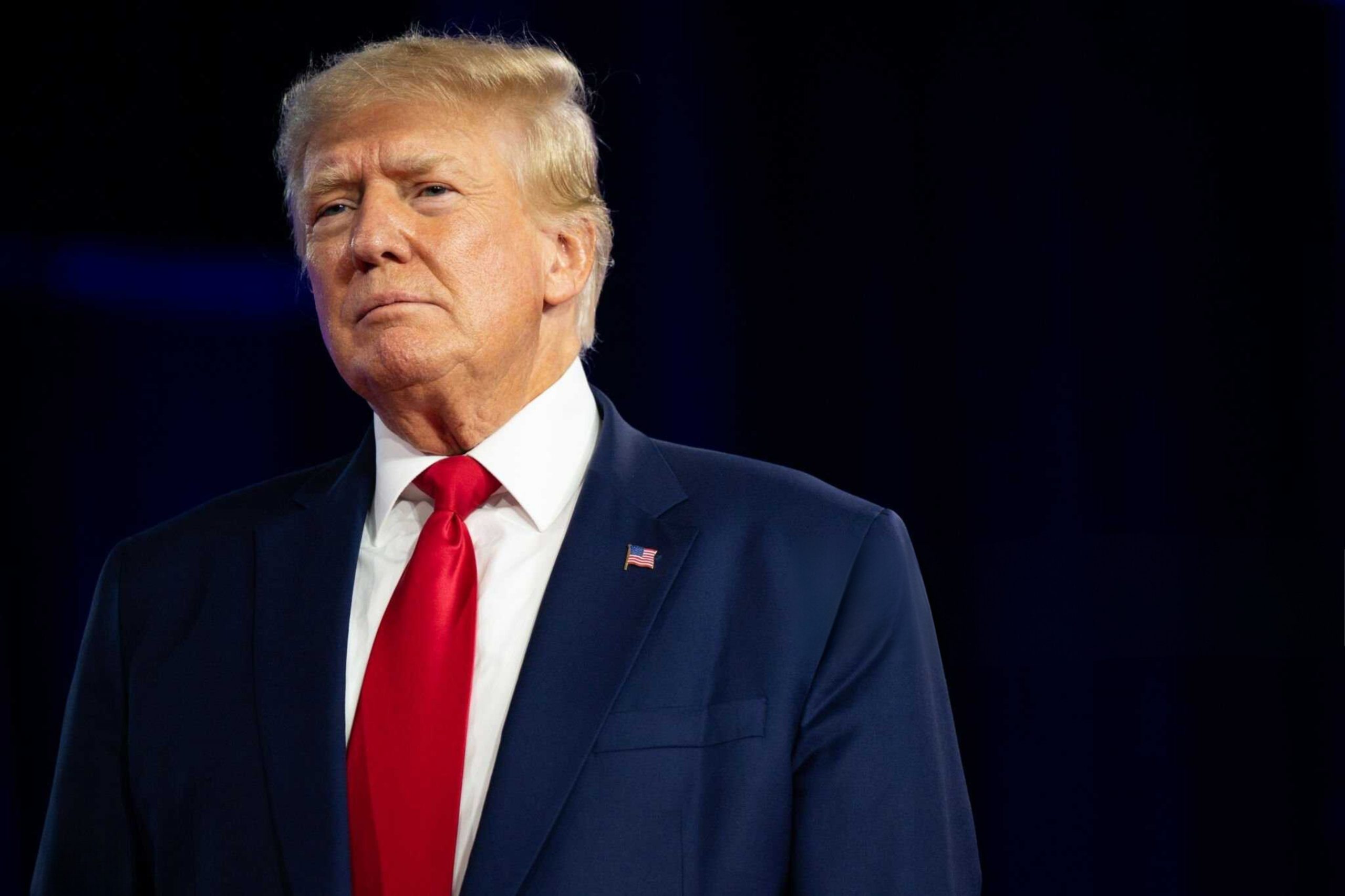
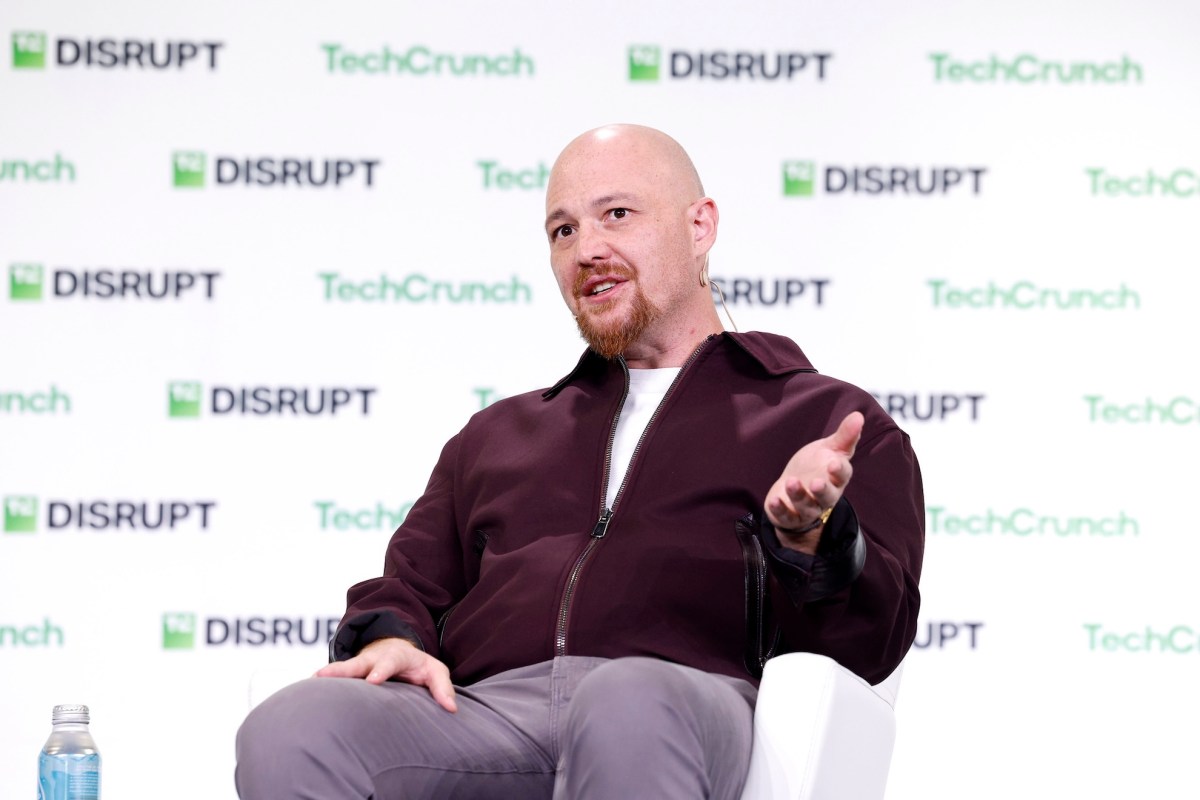
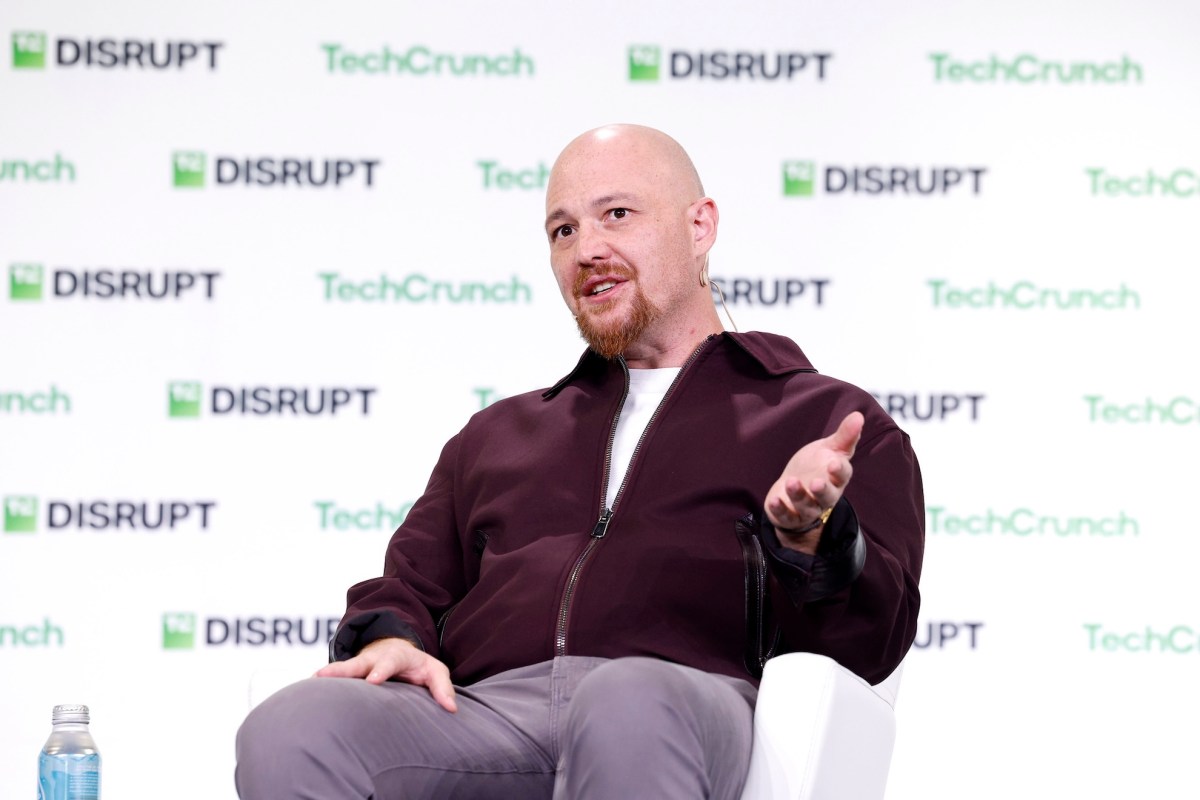
The Trump administration has announced a significant investment of up to $150 million in xLight, a chip startup founded by former Intel CEO Pat Gelsinger, as part of a strategic push to strengthen domestic semiconductor production.
This move, reported by Tech in Asia, marks the first time the US government has taken an equity stake in an early-stage chip company under the CHIPS Act, signaling a shift toward nurturing innovative startups alongside industry giants.
Breaking Foreign Dependency on Chip Technology
xLight is pioneering laser technology aimed at packing more circuits onto chips, a breakthrough that could reduce reliance on foreign-made advanced chip tools.
The investment aligns with broader national goals to reclaim leadership in semiconductor manufacturing, a sector critical to everything from consumer electronics to national defense.
Historical Context: The Decline of US Chip Dominance
Historically, the US dominated the semiconductor industry in the 20th century, but over the past few decades, production has shifted overseas to countries like Taiwan and South Korea.
This dependency became a glaring vulnerability during global supply chain disruptions, prompting initiatives like the CHIPS Act to incentivize domestic manufacturing with billions in funding.
Impact on the Semiconductor Industry
The government’s stake in xLight could reshape the competitive landscape, providing a much-needed boost to early-stage innovators while challenging established players like Intel and TSMC.
Industry experts see this as a bold bet on next-generation technology, potentially accelerating the development of cutting-edge chips within US borders.
Future Implications for Tech Sovereignty
Looking ahead, this investment may pave the way for more government-backed ventures in critical tech sectors, raising questions about the role of public funding in private innovation.
Success with xLight could inspire similar deals, fostering a new ecosystem of US-based startups focused on reclaiming technological sovereignty.
However, critics caution that such interventions carry risks, including potential mismanagement of funds or over-reliance on unproven technologies.
As the Trump administration continues to prioritize semiconductor independence, the outcome of this groundbreaking deal with xLight will likely serve as a litmus test for future policy in the tech arena.