SEC Ends Four-Year Probe into Faraday Future: EV Startup Gains Relief Amid Nasdaq Warning and Strategic Pivots
The SEC has officially closed its nearly four-year investigation into Faraday Future, providing a major reprieve for the struggling electric vehicle startup.
The probe, initiated in March 2022, examined allegations of misleading statements during the company's 2021 SPAC merger and other issues like related-party transactions.
Faraday Future's Rocky Road to Relevance
Founded in 2014 by Chinese entrepreneur Jia Yueting, Faraday Future aimed to rival Tesla with ambitious plans for luxury EVs.
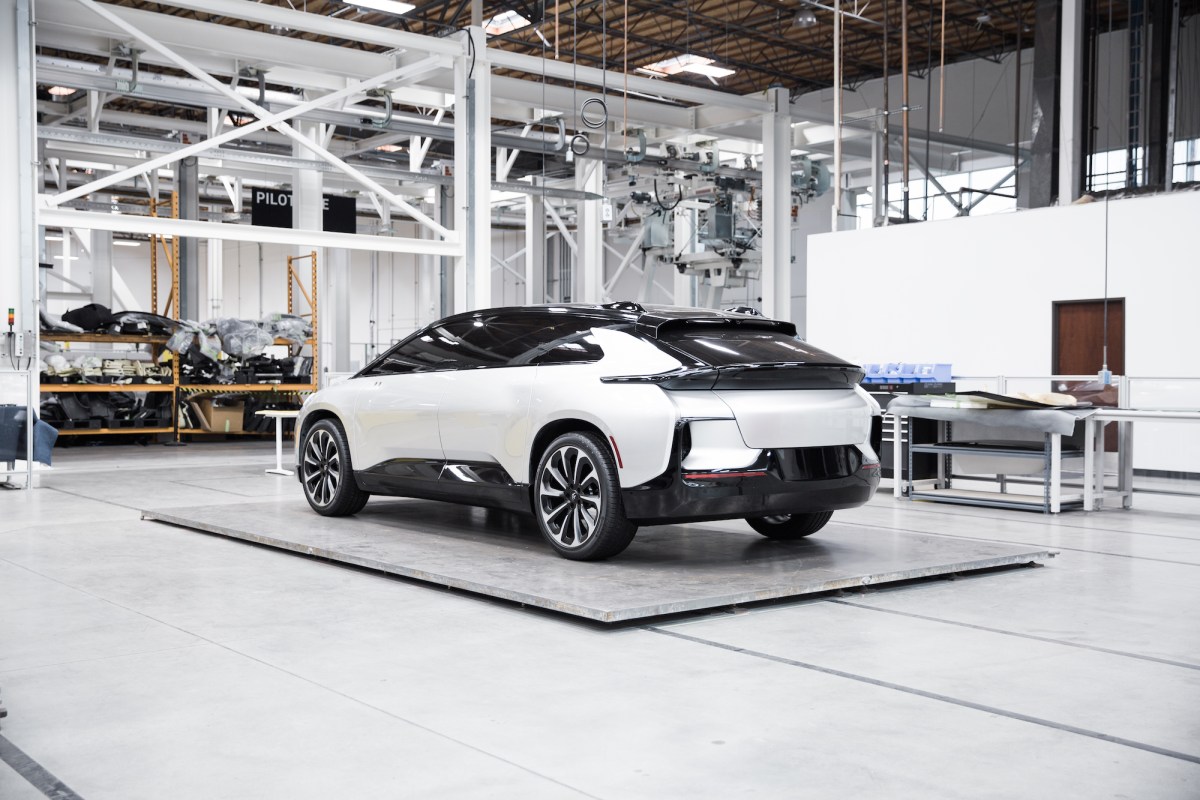
The company unveiled its flagship FF91 SUV in 2017 amid hype, but cash shortages led to massive layoffs and near-collapse by year's end.
A brief rescue came via investment from China's Evergrande in 2018, though the property giant soon exited, prompting further turmoil.
Jia Yueting stepped aside as CEO in 2019 while filing personal bankruptcy, yet retained significant control behind the scenes.
Depth of the SEC Investigation
Regulators issued Wells Notices in July 2025 to the company and executives, recommending enforcement for potential anti-fraud violations—a step rarely dropped.
The inquiry also delved into whistleblower claims of faked FF91 sales in 2023 and multimillion-dollar loans from Jia-connected employees.
Impact, Relief, and Uncertain Future
Jia Yueting hailed the closure, stating it allows the team to redirect energy from legal battles to strategy execution after five grueling years.
Despite the win, Faraday Future faces a fresh Nasdaq warning for its stock trading below $1, risking delisting within 180 days.
Looking ahead, the EV maker is pivoting to import affordable hybrid vans from China, sell rebadged robots, and explore crypto via biotech investments.
This SEC decision mirrors leniency toward other EV SPACs like Lucid and Fisker, signaling a cooling of regulatory heat on the sector amid fewer enforcement actions.