Why 90% of Tech M&A Deals Fail Before Launch: The Hidden Expectation Gap

Tech mergers and acquisitions often collapse at the starting line due to a fundamental disconnect between sellers' dreams and buyers' demands.
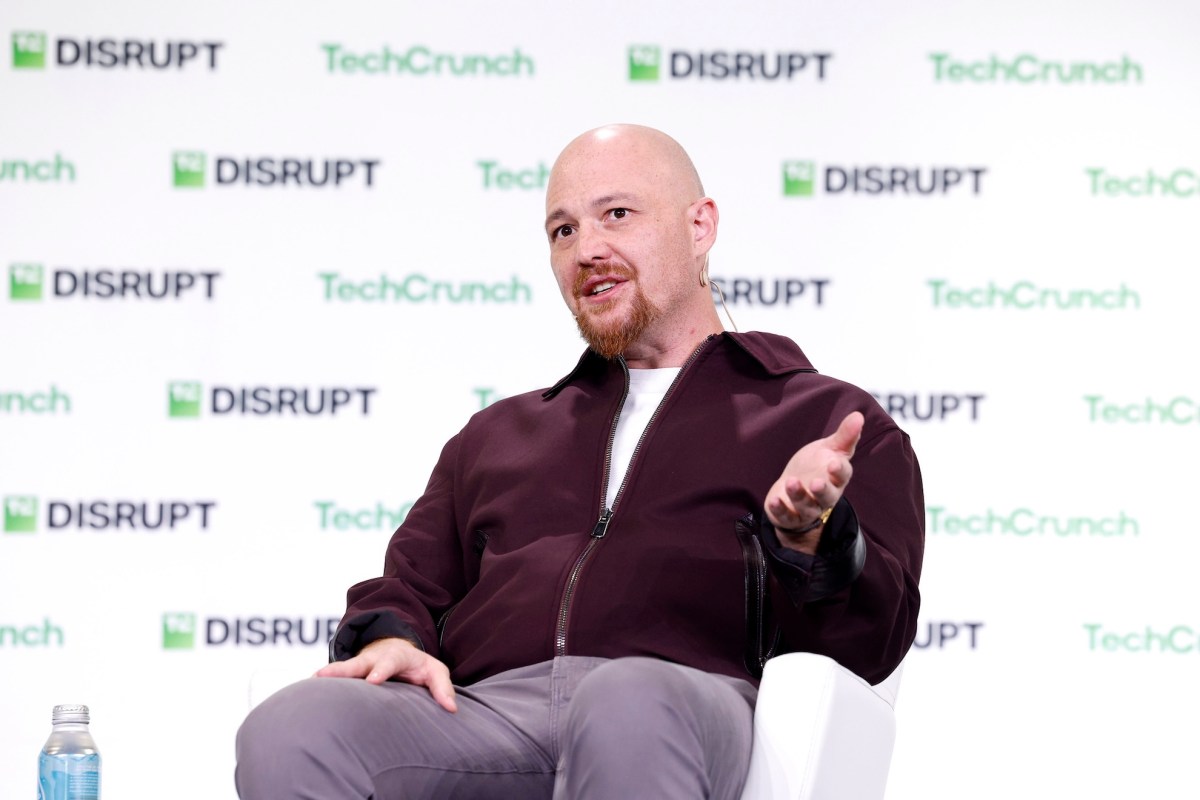
Itay Sagie, a veteran M&A advisor, pinpoints misaligned expectations as the top killer of deals, especially in the hyped AI sector.
The Core Disconnect in Expectations
Founders and investors fixate on future potential and past funding highs, while corporate buyers demand hard evidence of growth, retention, and strategic fit.
One common pitfall is pitches heavy on compelling narratives but light on proof, like revenue quality or product-market alignment.
Sellers often benchmark against rare blockbuster deals, ignoring that most transactions hinge on solid fundamentals rather than outliers.
Early-stage capital rounds inflate valuations, creating a chasm when current business performance fails to match those lofty marks.
AI Boom Amplifies the Problem
Take a four-year-old AI startup that raised $10 million at a $40 million valuation with zero revenue; now it seeks an even higher exit, but buyers balk without proven traction.
Exceptional cases like Microsoft's $650 million licensing and talent grab from Inflection AI, or similar moves by Amazon and Google, fuel false hopes but represent the exception, not the rule.
Historical Context and Future Outlook
This pattern echoes past bubbles like dot-com, where hype led to acquisition droughts until realities reset expectations.
Looking ahead, as AI matures beyond speculation, buyers will prioritize scalable revenue over talent poaching, pressuring startups to build sustainably.
Venture capitalists' role in pumping valuations adds a non-obvious layer, trapping founders in a high-stakes game misaligned with M&A realities.
For everyday people, this means fewer successful exits slow innovation, job creation, and tech's trickle-down benefits to consumers.
Bridging the gap requires early alignment on M&A mechanics, turning potential failures into viable paths forward for ambitious founders.