AST SpaceMobile Launches Satellite Mobile Service to Rival Starlink: A Game-Changer for Global Connectivity
AST SpaceMobile, a bold contender in the satellite internet race, has officially launched its satellite mobile service, positioning itself as a direct competitor to Elon Musk's Starlink.
This groundbreaking development promises to deliver cellular broadband directly to standard mobile phones, without the need for specialized equipment, marking a significant step forward in global connectivity.
The Technology Behind AST SpaceMobile's Innovation
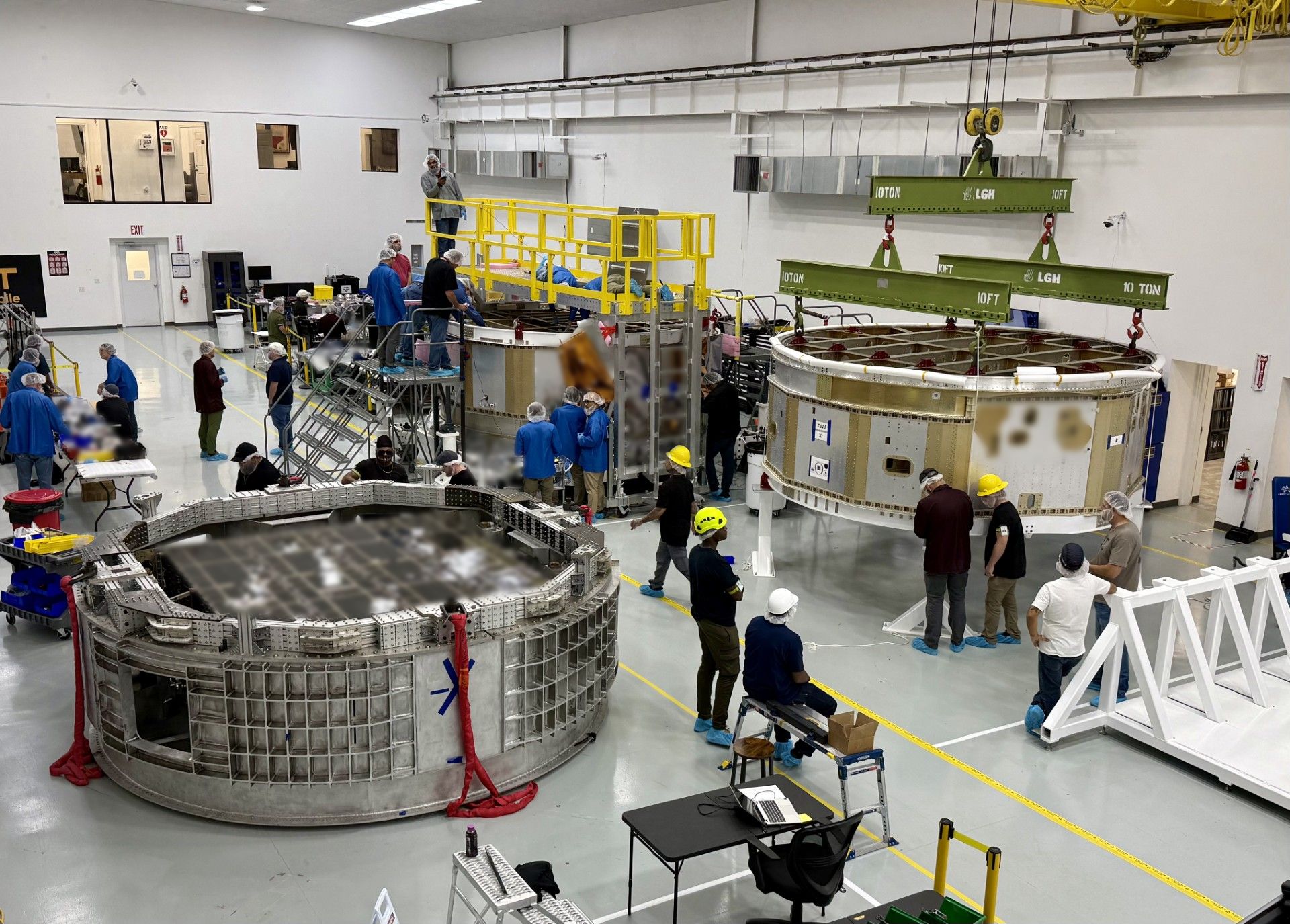
The company recently deployed its BlueBird Block-2 satellite, launched on December 23, 2025, via an Indian LVM3 rocket, boasting the largest commercial communications antenna ever in low Earth orbit (LEO).
This technology aims to bridge the digital divide by providing 4G and 5G connectivity to remote and underserved regions worldwide.
Historical Context: A Vision Born in 2017
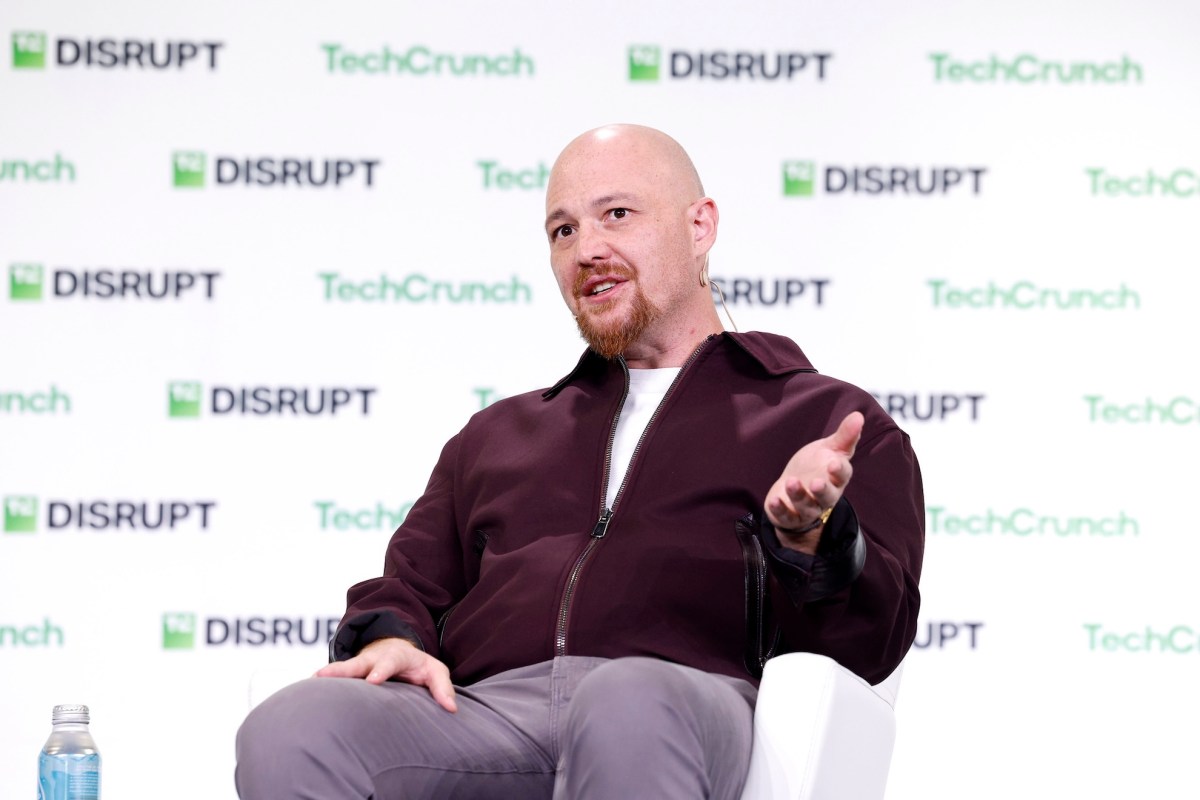
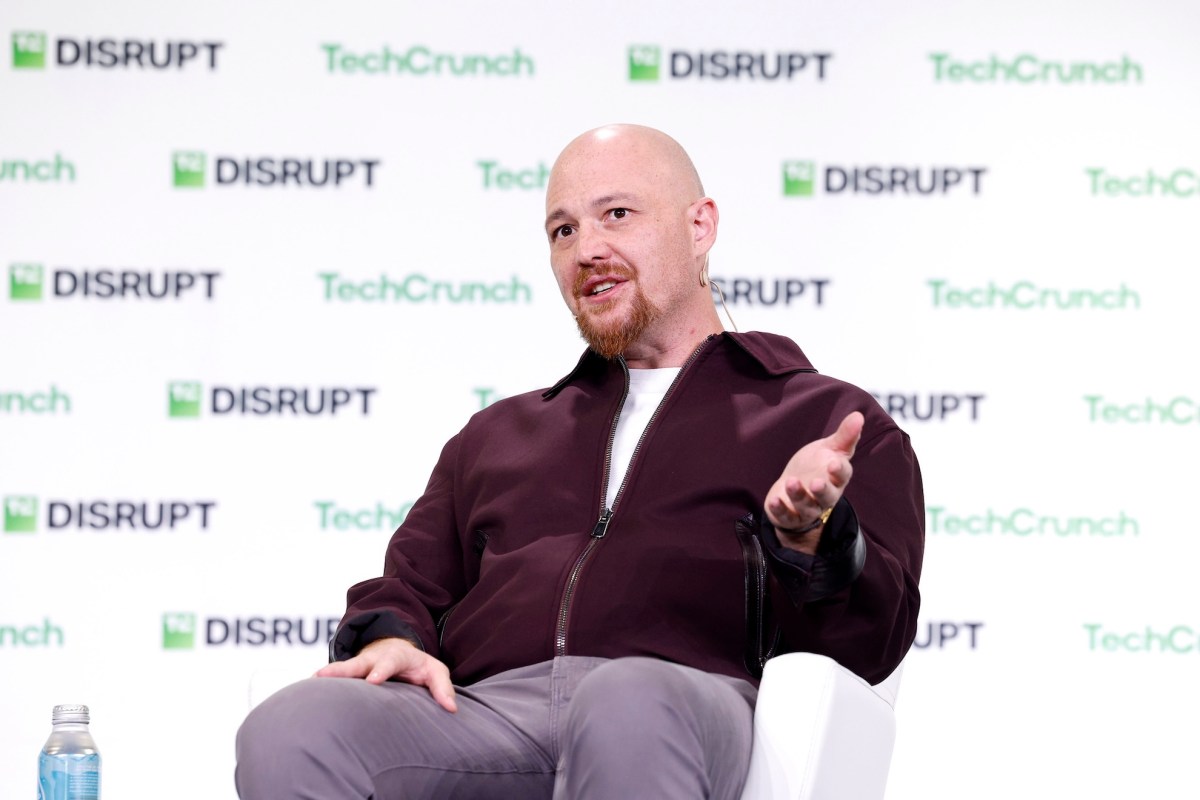
Founded in 2017 by Abel Avellan, AST SpaceMobile emerged with a mission to make connectivity a human right, targeting over a billion people currently without reliable internet access.
Despite early skepticism about the feasibility of connecting unmodified phones to satellites, the company has steadily progressed, securing partnerships with major mobile network operators like Vodafone and Verizon.
Impact on Global Connectivity and Competition
The launch intensifies competition with Starlink, which has dominated the satellite internet market since its first satellite deployment in 2019, but focuses on fixed terminals rather than direct-to-device mobile service.
AST SpaceMobile's approach could disrupt the industry by offering seamless integration with existing mobile networks, potentially capturing a significant share of the global telecom market.
Strategic Partnerships and Future Expansion
With commercial agreements already in place, such as a deal with Verizon for satellite-to-phone connectivity in 2026, AST SpaceMobile is poised for rapid expansion, including plans to cover Europe through its Vodafone partnership.
Analysts predict that if successful, this could redefine mobile broadband, especially in areas where terrestrial infrastructure is impractical or too costly to deploy.
Looking Ahead: Challenges and Potential
While the future looks promising, challenges remain, including regulatory hurdles, technical reliability, and the high costs of scaling a satellite constellation to rival Starlink's thousands of satellites.
Nevertheless, AST SpaceMobile's recent stock surge—up 14% to $86.48 following the launch—reflects investor optimism about its potential to become a trillion-dollar entity in the coming years, as discussed in recent industry analyses.