
SpaceX Secures FCC Approval for 7,500 More Starlink Satellites to Revolutionize Global Internet
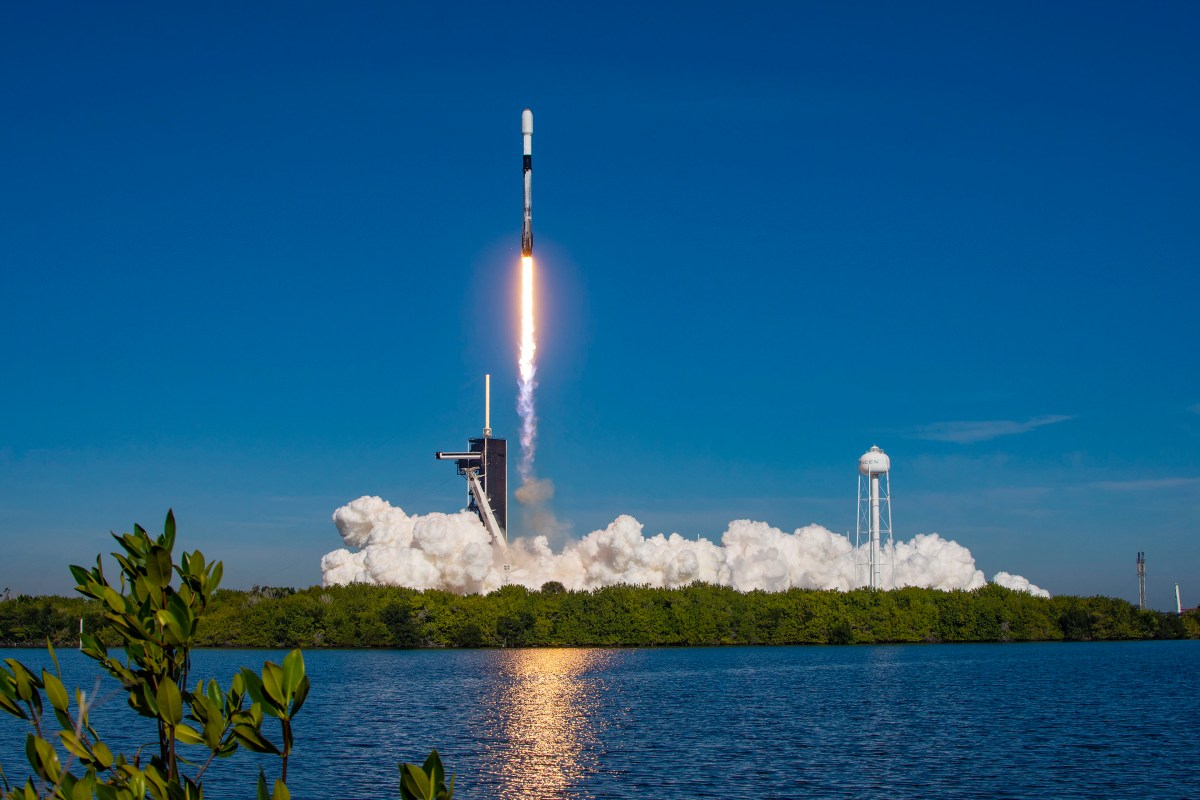
SpaceX has achieved a significant milestone with the Federal Communications Commission (FCC) granting approval to launch an additional 7,500 Starlink satellites, as reported by TechCrunch on January 10, 2026.
This decision marks a major step forward in the company’s ambitious plan to expand its satellite internet constellation, aiming to provide high-speed, low-latency internet access across the globe.
Expanding the Starlink Constellation
The approval doubles SpaceX’s authorized second-generation (Gen2) Starlink fleet to 15,000 satellites, pushing the total number of operational and planned satellites in orbit to over 19,000.
Historically, SpaceX has been a pioneer in satellite internet, launching its first Starlink satellites in 2019 and rapidly scaling to serve over 2 million users worldwide by late 2025.
The Starlink project has already transformed connectivity in remote and underserved regions, offering a lifeline to communities lacking traditional broadband infrastructure.
Global Impact of Starlink’s Expansion
The addition of these satellites is expected to enhance Starlink’s capacity to deliver gigabit-speed internet, potentially bridging the digital divide on an unprecedented scale.
Beyond speed, the expansion will support innovative features like direct-to-cell connectivity, allowing users to access internet services without specialized equipment, a game-changer for mobile communications.
However, this rapid growth has raised concerns among competitors and environmentalists about orbital congestion and the potential impact on Earth’s atmosphere, as noted in ongoing debates within the industry.
Looking to the Future of Connectivity
Looking ahead, SpaceX plans to lower its satellite orbits from 550 km to 480 km throughout 2026 to improve safety and reduce latency, a move that could set new standards for satellite operations.
The company’s vision extends beyond Earth, with Elon Musk frequently discussing Starlink’s role in supporting future Mars missions by establishing a reliable communication network.
As SpaceX continues to innovate, the FCC’s partial approval—deferring the remainder of a nearly 30,000-satellite request pending safety reviews—signals a cautious yet optimistic outlook for the future of space-based internet.
For more details on the FCC’s decision, visit the original report on TechCrunch.