Robinhood Preps Second Retail Venture Fund IPO Amid Surging AI Startup Hype

Robinhood has confidentially filed for an IPO of its second retail venture fund, RVII, capitalizing on the massive success of its first fund.
The initial RVI fund, listed on the NYSE in early March 2026 at $21 per share, has more than doubled to $43.69, fueled by an AI investment rally.
Unlocking Private Startups for Everyday Investors
RVI provides non-accredited investors access to late-stage private companies like OpenAI, Stripe, Databricks, and Oura through brokerage accounts with daily liquidity.
RVII expands this model to growth and early-stage startups, aiming to let retail investors join seed and Series A rounds without traditional barriers.
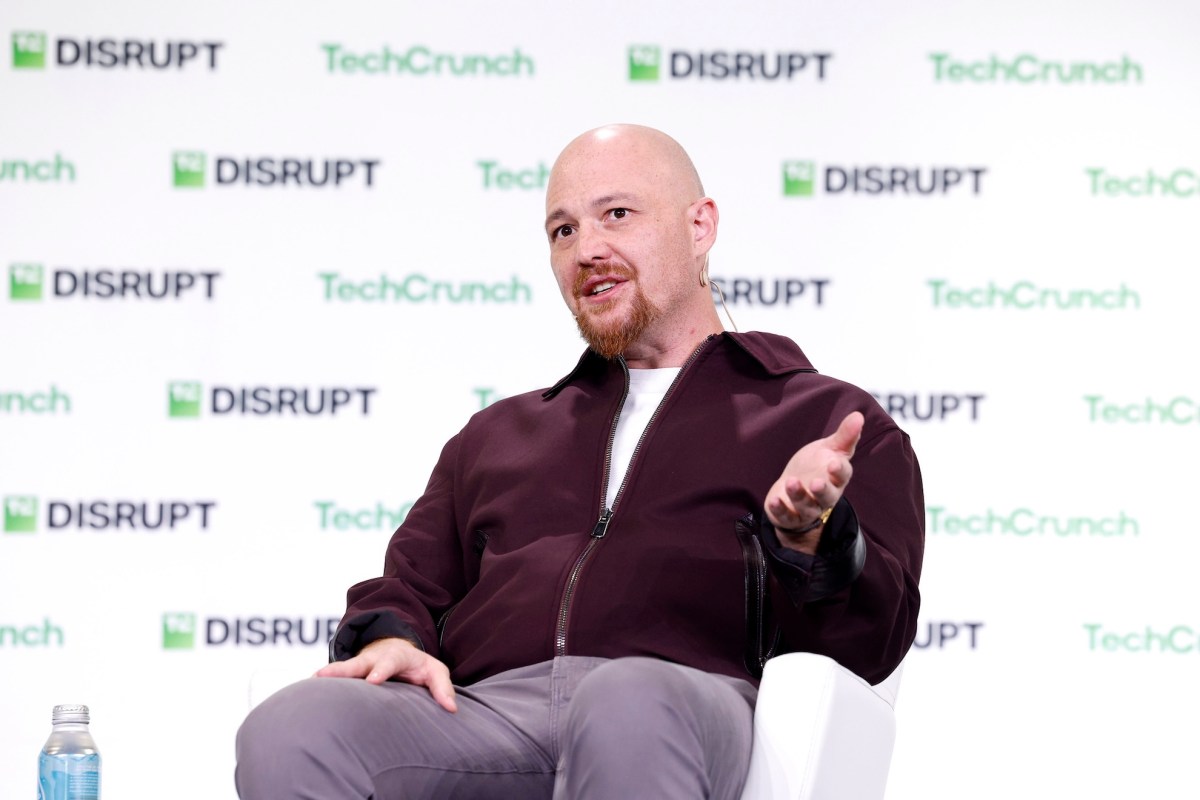
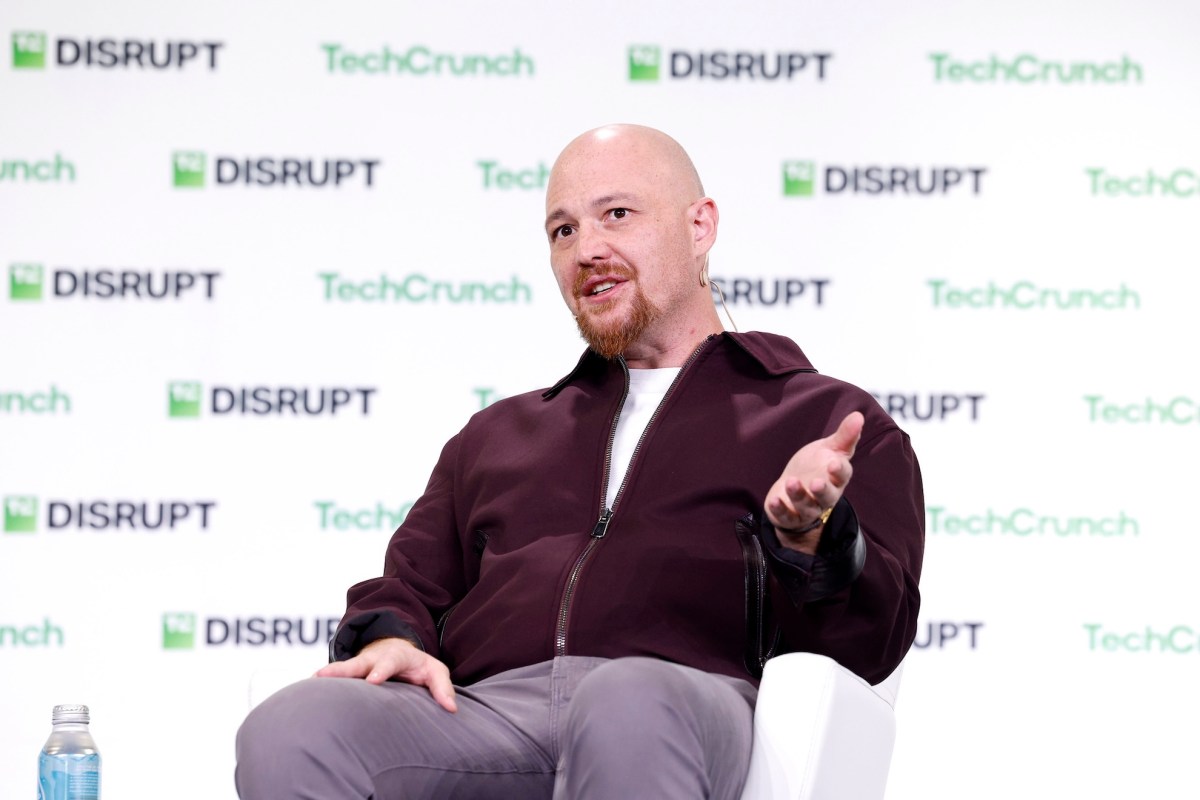
Robinhood CEO Vlad Tenev envisions retail capital becoming a major part of early funding, mirroring public market dynamics.
From Stock Trading to Startup Gold Rush
Founded to democratize stock trading, Robinhood launched RVI after raising about $658 million, short of its $1 billion goal, but market enthusiasm for AI bets propelled its recovery.
This second fund arrives as AI valuations soar into hundreds of billions privately, creating unprecedented retail demand for pre-IPO exposure.
However, early-stage investing carries higher risks, including illiquidity and failure rates, which could test retail investors' tolerance beyond meme stock frenzies.
A non-obvious angle: By pooling retail money, these funds might force startups to prioritize hype-friendly narratives, potentially inflating private valuations and complicating traditional VC dynamics.
For the average person, this means owning a slice of future unicorns like the next OpenAI from a simple app, bypassing millionaire-only rules.
Regulators may scrutinize liquidity promises as more retail floods high-risk privates, echoing past debates on Robinhood's gamified trading.
Looking ahead, success could spawn a wave of similar funds, reshaping startup funding and accelerating AI innovation through broader capital access.