Watch Club Challenges ReelShort's $1.2B Microdrama Dominance with Premium Social Features and Union Talent

In a recent TechCrunch Equity podcast, founders discuss how Watch Club seeks to elevate the booming microdrama industry beyond ReelShort's werewolf romance formula.
ReelShort reportedly generated $1.2 billion in consumer spending last year through addictive short-form vertical videos packed with cliffhangers and fantastical plots.
The Explosive Rise of Microdramas
Microdramas, blending soap operas and TikTok-style shorts, originated in China and have exploded into a multi-billion-dollar global business optimized for mobile viewing.
Unlike Hollywood's failed Quibi, which burned through $2 billion on premium short content, these apps succeed with data-driven stories and microtransactions starting after free teaser episodes.
Watch Club's Ambitious Vision
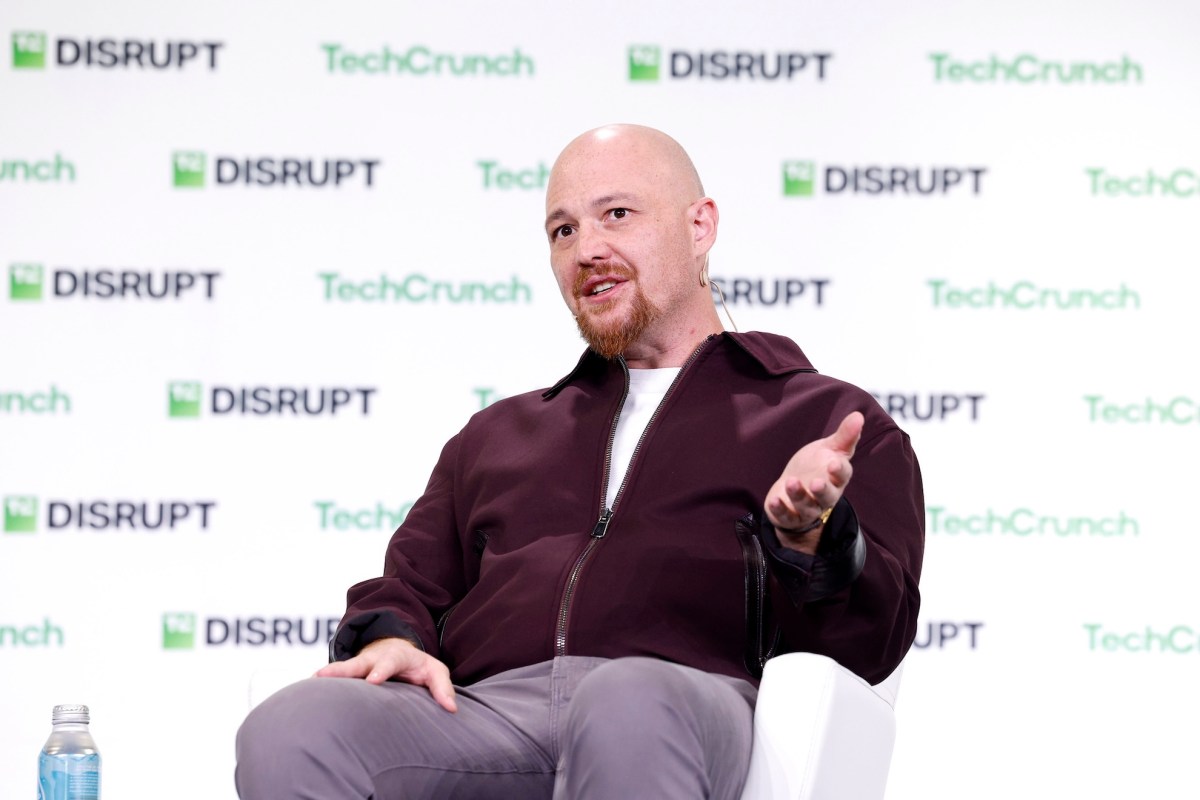
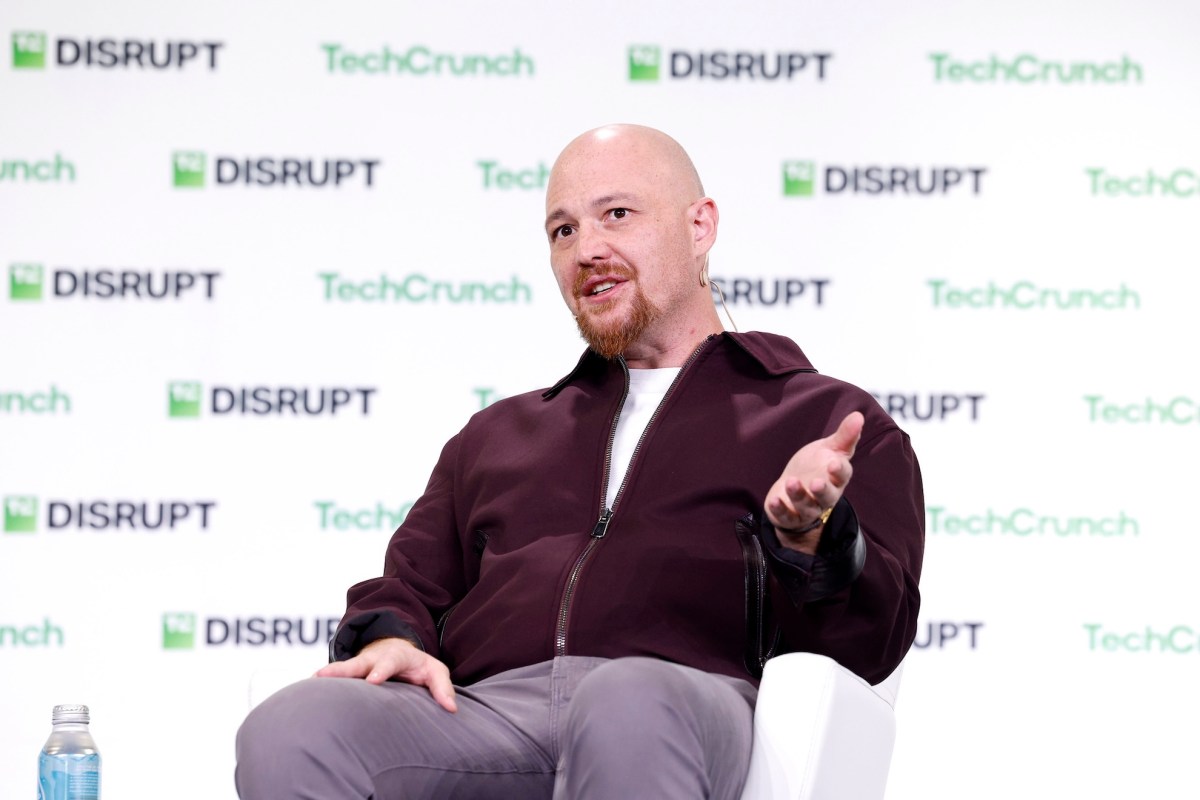
Founded by ex-Meta executive Henry Soong, Watch Club differentiates itself by producing higher-quality series with SAG-AFTRA and WGA talent, avoiding the formulaic billionaire romances.
The app integrates streaming with built-in social features, fostering fan discussions and community around grounded coming-of-age stories targeted at young women.
Watch Club's debut series, Return Offer, follows college interns navigating romance and competition at a high-stress AI startup.
Future Impact and Industry Evolution
Soong describes the sector as in its 'MySpace era', poised for a 'Facebook moment' through better content and social engagement, backed by Google Ventures.
While AI could streamline scriptwriting for niche genres, Watch Club emphasizes human creativity and premium production to capture broader audiences.
The microdrama boom highlights shifting viewer habits toward bite-sized, interactive entertainment, potentially reshaping social media and streaming landscapes.
As competitors like DramaBox proliferate, Watch Club's hybrid model could drive sustainable growth amid aggressive monetization tactics in the space.