OpenAI Disables ChatGPT App Suggestions Amid Ad Controversy: What’s Next for AI Monetization?

OpenAI has officially turned off a feature in ChatGPT that suggested third-party apps, following widespread user backlash over perceptions that these recommendations resembled advertisements.
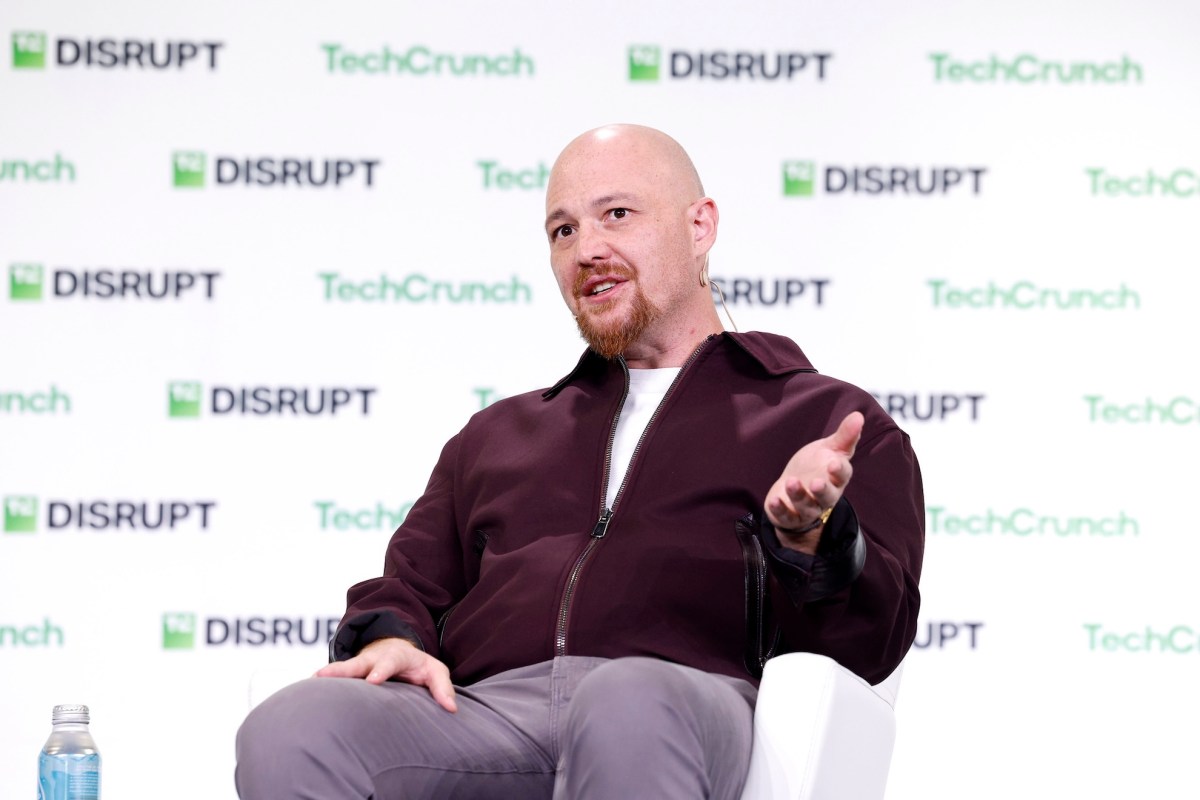
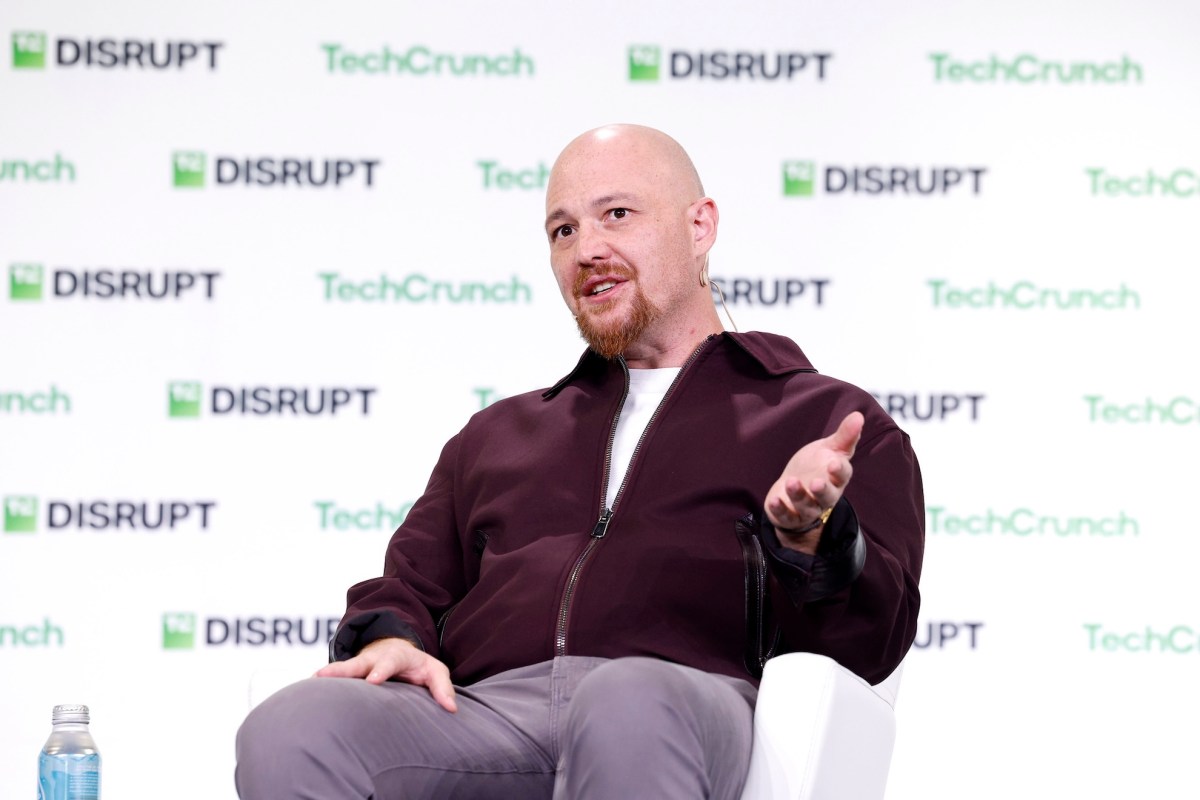
While the company insists that no ads or advertising tests were live on the platform, OpenAI’s Chief Research Officer acknowledged they “fell short” in how the feature was rolled out, as reported by TechCrunch.
The Backlash: Why Users Were Concerned
The controversy began when paid ChatGPT users noticed prompts like app suggestions for services such as Peloton or Target, raising fears that advertising had infiltrated the AI tool.
This incident sparked debates on social media about user trust and transparency, with many questioning whether OpenAI was testing monetization strategies without clear communication.
Historical Context: OpenAI’s Monetization Journey
Since its inception, OpenAI has faced the challenge of balancing innovation with financial sustainability, especially after transitioning to a for-profit structure in recent years.
The company has previously relied on subscription models like ChatGPT Plus, but rumors of potential advertising have circulated for months, fueled by reports from outlets like the Financial Times.
Impact on Users and Industry
The app suggestion debacle has highlighted a growing concern among users about the integrity of AI platforms, especially as they become integral to daily tasks and decision-making.
For the broader AI industry, this incident underscores the delicate balance between monetization and maintaining a user-centric experience, a challenge competitors like Google and Microsoft also face.
Looking Ahead: What’s Next for OpenAI?
Moving forward, OpenAI has promised to refine features like app discovery to ensure they align with user expectations, though specifics on future updates remain unclear.
Analysts predict that monetization strategies will continue to evolve, potentially including partnerships or contextual recommendations, but only if transparency improves.
The incident serves as a reminder that as AI tools scale, maintaining trust and clarity will be as critical as technological advancements.
For now, OpenAI’s decision to disable the controversial feature may temporarily ease tensions, but the conversation around AI ethics and advertising is far from over.